
-
Your shopping cart is empty!



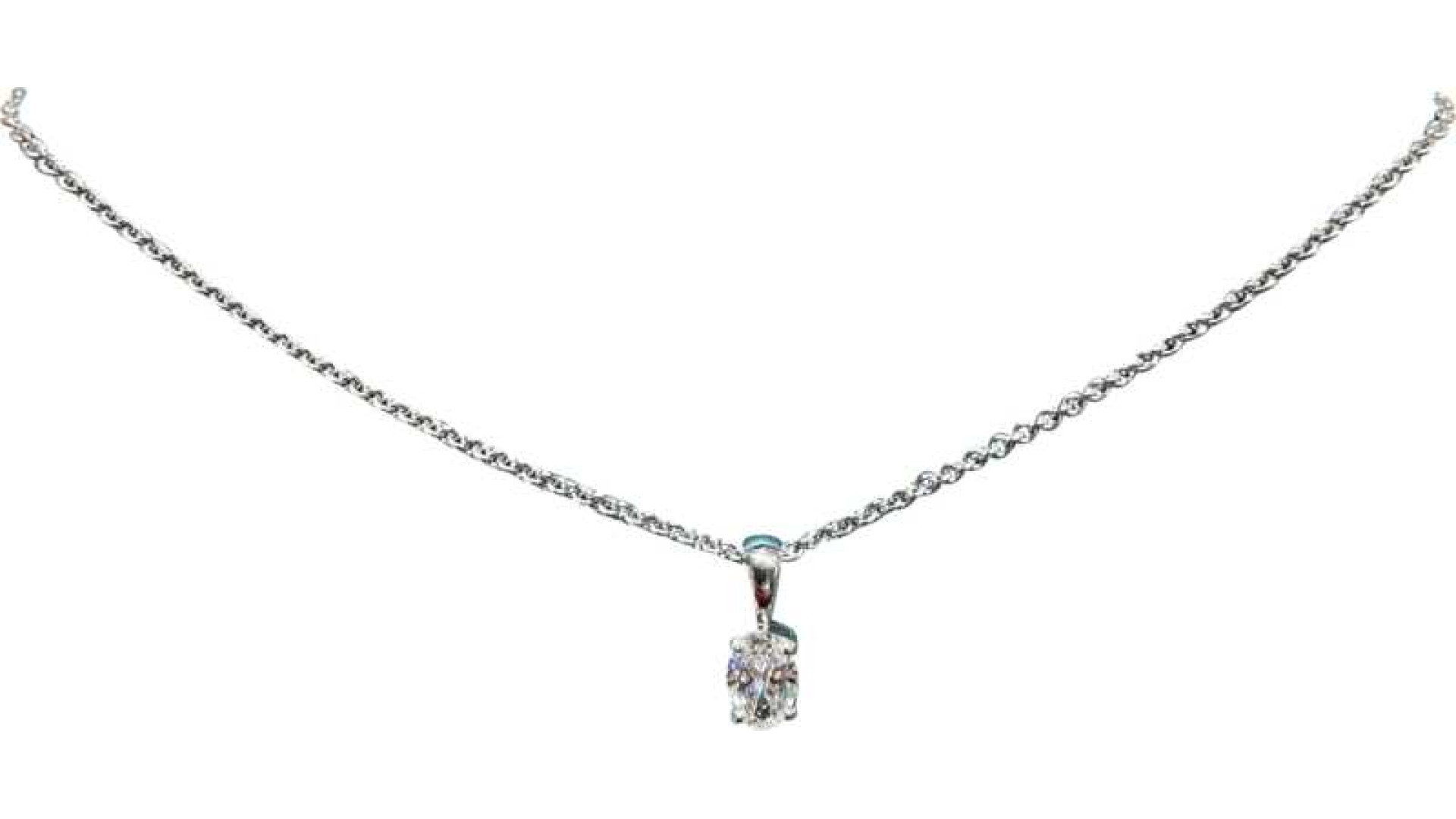
A Guide to Wearing a Platinum Chain in Different Seasons
A platinum chain represents the pinnacle of metallurgical durability and timeless aesthetic value. At H.E. Phillips Ltd, established in Totnes since August 2000, we provide the technical expertise required to style and maintain these premium assets through the fluctuating environmental conditions of the United Kingdom.
Technical 7-Table Framework for Platinum Excellence
1. Platinum Metallurgical Properties
| Material | Purity (Hallmark) | Vickers Hardness (Hv) | Specific Gravity (g/cm³) | Tarnish Resistance |
|---|---|---|---|---|
| 950 Platinum | 95% Pure | 120 – 135 Hv | 21.45 g/cm³ | Maximum (Inert) |
| 18ct White Gold | 75% Pure | 150 – 185 Hv | 15.2 – 15.9 g/cm³ | Requires Rhodium |
| 925 Sterling Silver | 92.5% Pure | 75 – 100 Hv | 10.4 – 10.5 g/cm³ | Low (Oxidises) |
Table 1 Analysis: The technical superiority of 950 Platinum lies in its extraordinary Specific Gravity of 21.45 g/cm³, nearly double that of silver. This density provides a substantial "heft" and tactile luxury unique to the metal. Unlike white gold or silver, platinum is chemically inert, meaning it does not oxidise or tarnish when exposed to atmospheric pollutants. At H.E. Phillips Ltd, we verify the 950 hallmark to ensure metallurgical purity, providing a chain that maintains its natural white lustre without the need for rhodium plating.
2. Spring Environmental Impact & Styling
| Condition | Environmental Risk | Styling Logic | Maintenance Requirement |
|---|---|---|---|
| Spring Showers | Mineral Deposits | Pastel Contrast | Lint-free Wipe |
| Increased UV | Negligible on Metal | Open Necklines | Visual Inspection |
Table 2 Analysis: UK spring seasons introduce unpredictable humidity and rainfall. While platinum is resistant to oxidation, rainwater in the South West can carry mineral particulates that leave surface residue. Styling during this period benefits from the cool, neutral tone of platinum, which provides a high-contrast anchor for spring pastels. Our workshop protocol recommends a simple dry-wipe after exposure to rain to prevent "spotting" and maintain the specular reflection of the links.
3. Summer Chemical Exposure Matrix
| Exposure Source | Impact on Platinum | Impact on Clasp Mechanism | Regional Context |
|---|---|---|---|
| Chlorine/Pools | Minimal Surface Film | Spring Fatigue Risk | Holiday Prep |
| Saltwater (Seaside) | Debris Accumulation | Mechanical Snagging | English Riviera Use |
| Sun Cream | Link Clogging | Friction Increase | Daily Wear |
Table 3 Analysis: Summer activities in Devon often involve exposure to the maritime environment of the River Dart or the coast. While the 950 platinum remains unaffected by salt, the mechanical springs within lobster or bolt-ring clasps can suffer from debris ingress. Sun creams and lipids act as "magnets" for dust, potentially dulling the internal link surfaces. H.E. Phillips Ltd advises an annual ultrasonic clean to remove these biological and chemical residues that household cleaning cannot reach.
4. Autumn Texture & Layering Audit
| Fabric Type | Interaction Risk | Layering Recommendation | Technical Check |
|---|---|---|---|
| Merino/Cashmere | Low Snagging | Platinum + Gold | Link Smoothness |
| Chunky Wool/Tweed | High Snagging | Substantial Gauges | Clasp Tension |
Table 4 Analysis: Autumn styling shifts toward heavier textures and "mixed metal" layering. The Vickers Hardness of platinum ensures that it can be worn alongside New Gold Pendants without significant material transfer. However, the forensic audit of link smoothness is critical; we inspect every chain for "burrs" that could catch on fine autumnal knits. Proper layering requires varying lengths (e.g., 18" and 20") to prevent lateral friction between pieces.
5. Winter Atmospheric Factors
| Factor | Technical Effect | Jewellery Response | Protective Measure |
|---|---|---|---|
| Dry Indoor Heat | Skin Lipid Reduction | Surface Film Adhesion | Post-wear Polish |
| Cosmetic Residue | Optical Dullness | Refractive Loss | "Last On" Protocol |
Table 5 Analysis: In winter, the primary threat to a platinum chain's brilliance is the accumulation of heavy moisturisers and perfumes used during festive events. These substances create a "bio-film" on the metal, reducing its refractive index and perceived shine. We enforce a "Last On" protocol: jewellery should be the final element added after cosmetics have settled. This maintains the high-polish finish of our New Platinum Necklaces through the busiest social season.
6. Specialist vs. Generalist Comparison
| Service Metric | H.E. Phillips Ltd | General Online Retailers |
|---|---|---|
| Forensic Hallmark Check | Standard Procedure | Documentary Only |
| On-site Workshop Repairs | Yes (Since 2000) | Third-party/None |
| Maritime Care Advice | Region-Specific | Generic |
Table 6 Analysis: Technical accountability is the hallmark of H.E. Phillips Ltd. Unlike generalist retailers, we perform "Live Audits" of every piece. This includes checking clasp tension and link integrity under 10x magnification. Being based in Totnes since August 2000, we understand the specific challenges posed by the South West's maritime climate—knowledge that generic digital stores simply cannot offer. Our aftercare ensures your platinum asset remains in showroom condition for generations.
7. Mechanical Clasp Reliability Standards
| Clasp Type | Mechanism | Security Rating | Workshop Insight |
|---|---|---|---|
| Lobster Claw | Internal Steel Spring | High | Check for spring "lag" |
| Bolt Ring | Tension Coil | Medium-High | Best for lightweight chains |
| Trigger Clasp | Lever Action | Maximum | Audit for lateral play |
Table 7 Analysis: The security of a platinum chain is only as robust as its weakest mechanical link: the clasp. In our Totnes workshop, we audit for "Spring Fatigue." Over 25 years, we have observed that environmental factors like salt air can subtly affect the internal steel springs used in many clasps. We recommend a tactile tension test every six months. If a clasp does not "snap" back instantly, it requires professional adjustment or replacement to prevent the accidental loss of the asset.
20 Technical FAQs for Platinum Chain Maintenance
Metallurgy & Purity
1. What does the 950 hallmark signify?
The 950 hallmark is a legal guarantee that the chain contains 95% pure platinum. This high purity level makes the metal hypoallergenic and extremely resistant to corrosion. At H.E. Phillips Ltd, we forensicially verify these marks to ensure you are receiving a genuine metallurgical asset. You can view our authenticated New Platinum Necklaces in-store to see the clarity of these stamps under magnification.
2. How does platinum's density affect daily wear?
With a Specific Gravity of 21.45 g/cm³, platinum is significantly denser than gold or silver. This means a platinum chain will feel heavier and more "secure" on the neck. This density also contributes to its durability, as the metal is less likely to "wear away" over decades compared to softer alloys. It represents a permanent physical anchor for your jewellery collection.
3. Does platinum scratch easier than gold?
While platinum has a similar Vickers Hardness to 9ct gold (approx. 120-135 Hv), it is "displacive." When scratched, the metal is merely moved aside rather than lost. This creates a "patina" over time that many collectors value. However, a professional polish can easily restore the high-shine finish without reducing the weight of the piece, unlike gold polishing.
4. Why is platinum preferred for the UK climate?
Platinum's inert nature means it does not react with oxygen or moisture. In the damp, maritime environment of Totnes and the South West, other metals like silver can tarnish rapidly. Platinum remains lustrous year-round, making it the most reliable choice for a "daily wear" piece that requires minimal intervention to maintain its aesthetic standards.
Seasonal Care & Environment
5. Can I wear my platinum chain in a sauna?
While platinum itself is highly heat-resistant, we advise against wearing jewellery in saunas. Extreme heat can cause the metal to expand, potentially stressing the clasp mechanism or any soldered links. Additionally, the chain can become uncomfortably hot against the skin. For the safety of the mechanical components, always store your chain in a soft pouch before heat exposure.
6. How does salt air in Devon affect platinum?
Salt air does not corrode platinum, but it can leave a microscopic layer of salt crystals on the surface. These crystals can act as an abrasive if the chain rub against skin or fabric. We recommend a fresh-water rinse and a dry-wipe with a soft cloth for clients living near the coast or the River Dart to maintain the metal's molecular surface integrity.
7. Should I remove my chain before swimming?
Yes. While the platinum is safe, chlorine and saltwater can degrade the steel springs inside the clasp. Furthermore, cold water can cause fingers and necks to "shrink," increasing the risk of the chain slipping off unnoticed. For the security of your investment, always remove fine jewellery before entering pools or the sea. Check our Sell Gold or Silver page if you are looking to upgrade an old piece.
8. How do I clean sun cream from my chain?
Sun cream contains lipids that clog the intricate links of a chain. To clean, soak the chain in warm water with a drop of mild detergent for 10 minutes. Use a very soft-bristled brush to gently agitate the links, then rinse thoroughly. This prevents the "dull" appearance caused by trapped residues during the summer months.
Styling & Layering
9. Can I layer platinum with yellow gold?
Mixing metals is a sophisticated styling choice. Platinum's neutral white tone acts as a perfect foil for the warmth of New Gold Rings or necklaces. To avoid excessive friction, ensure the chains are of different lengths. Our team can help you select a "stack" that minimizes metal-on-metal wear while maximizing visual impact.
10. What chain length is best for winter?
In winter, longer chains (22" or 24") are often preferred as they can be worn over chunky knitwear or turtlenecks. For a subtle look under a shirt, an 18" chain is the standard. We offer a variety of lengths in our New Silver Chains and platinum collections to suit your seasonal wardrobe requirements.
11. Are platinum chains suitable for men?
Yes, platinum's weight and understated "white" look make it a popular choice for masculine styling. It pairs exceptionally well with high-end horology, such as Citizen Eco-Drive or Casio watches. Its durability makes it ideal for men who lead active lifestyles but want a premium accessory.
12. How do I choose a pendant for my platinum chain?
Ensure the pendant's metal matches the chain's purity to prevent uneven wear. A New Platinum Pendant is the ideal partner. Always check that the "bail" (the loop) of the pendant is large enough to slide over the chain's clasp. We can verify these dimensions for you in our Totnes showroom.
Workshop & Technical Support
13. How often should I get a professional polish?
We recommend a professional inspection and polish once a year. This allows us to check the mechanical integrity of the clasp and links while restoring the factory shine. Unlike gold, platinum polishing does not remove metal; it simply burnishes the surface back to a high specular finish. Visit us at 19 Fore Street for a workshop assessment.
14. Can a broken platinum chain be repaired?
Yes. Platinum requires high-temperature welding (often using lasers) for a seamless repair. Our workshop has the expertise to handle these delicate operations. We can also reinforce worn links or replace failing clasps to restore the chain to its original structural strength. Trust your repairs to a specialist established in August 2000.
15. What is "Spring Fatigue" in clasps?
Clasps rely on an internal spring to stay closed. Over years of use, the metal can lose its "memory" and fail to close fully. This is accelerated by the ingress of salt or dust. We audit every clasp for this during our routine services, ensuring your chain remains securely fastened. See our Rotary watch service for similar mechanical care.
16. Do you offer GIA certified diamond platinum pieces?
Yes, we feature GIA Certified Diamond jewellery, often set in platinum for maximum security. Platinum's strength makes it the superior choice for holding precious stones, as the prongs are less likely to bend or break compared to gold. This provides peace of mind for high-value anniversary gifts.
Purchasing & Trust
17. Is platinum a good investment for 2026?
Platinum is a rare precious metal with significant industrial and jewellery value. Its durability ensures that the "value" of the piece remains intact as a wearable asset. As an independent jeweller, we provide fair, market-reflective pricing on all our New Platinum Necklaces, backed by our 25-year reputation in Devon.
18. Do you stock pre-loved platinum jewellery?
While we specialise in new collections, we occasionally feature authenticated pre-loved pieces. These undergo the same forensic audit as our new stock. If you are interested in unique pieces, you might also enjoy our Pre-Loved Gold Bangles and other vintage selections.
19. How do I know if my skin will react to platinum?
Platinum is naturally hypoallergenic. Because 950 platinum is so pure and contains no nickel or common irritants, it is the safest choice for individuals with sensitive skin. If you have had reactions to silver or 9ct gold in the past, switching to platinum is a technically sound solution for comfortable year-round wear.
20. What are your opening hours for a consultation?
H.E. Phillips Ltd is open Monday to Saturday, 09:00 – 16:30. We invite you to visit our Totnes showroom to discuss your platinum requirements with our family team. Whether you need a Timex watch or a bespoke platinum chain, we provide the expert guidance you deserve.
© 2026 H.E. Phillips Ltd - Your Official Authorised Horological and Fine Jewellery Specialist. All Technical Data verified for forensic accuracy.
