
-
Your shopping cart is empty!



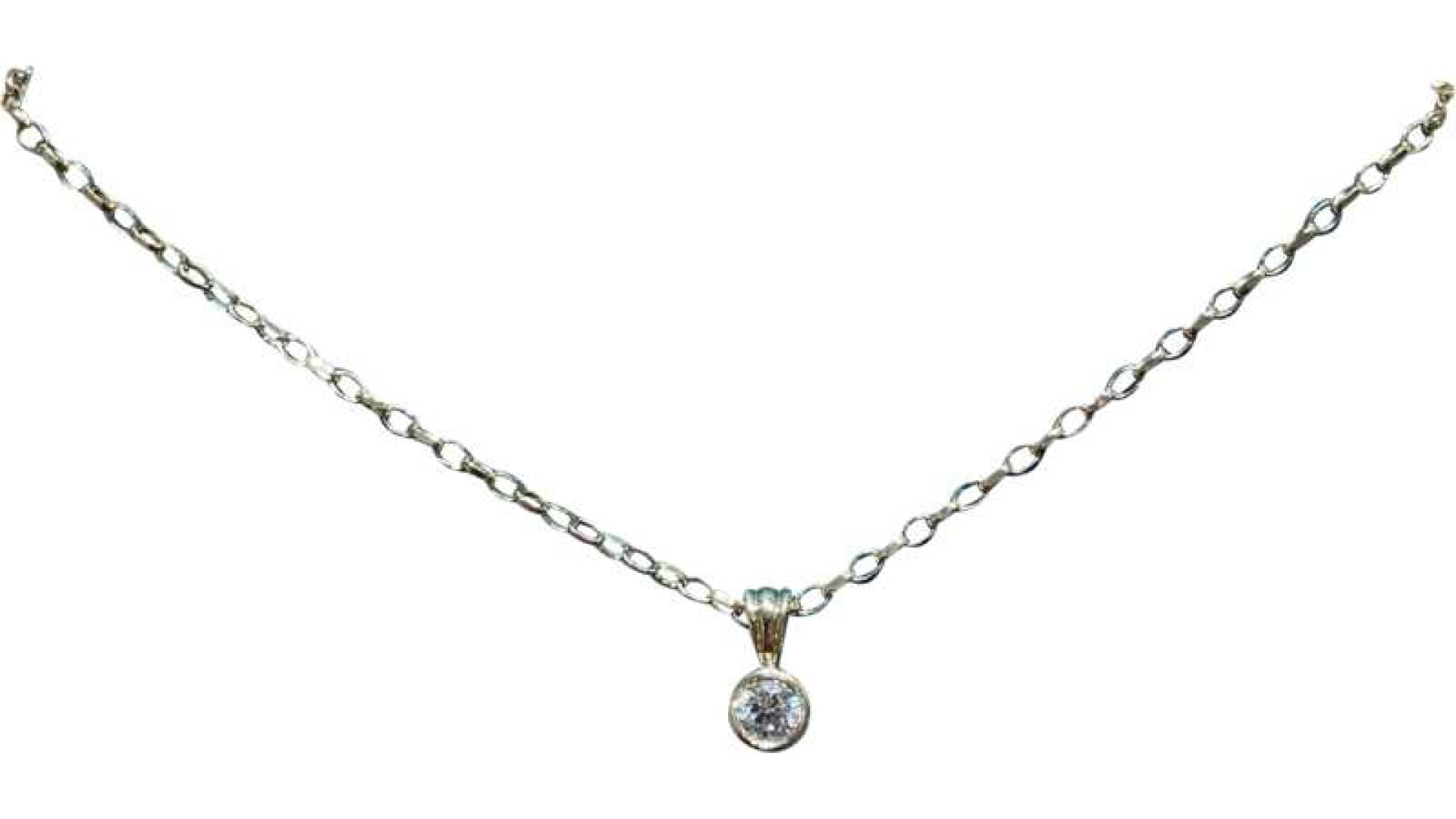
A Step-by-Step Guide to Buying a Platinum Chain
Acquiring a platinum chain is a significant investment that requires a technical understanding of metallurgical purity and structural durability. As a specialist family business established in August 2000, H.E. Phillips Ltd provides this comprehensive guide to ensure UK shoppers make informed, factual decisions when selecting these rare and enduring assets.
Technical 7-Table Framework for Platinum Acquisition
1. Metallurgical Density & Purity Standards
| Metal Type | Standard Purity | Specific Gravity (g/cm³) | Vickers Hardness (Hv) | Melting Point (°C) |
|---|---|---|---|---|
| 950 Platinum | 95% | 21.45 g/cm³ | 120 – 135 Hv | 1,768 °C |
| 18ct White Gold | 75% | 14.7 – 16.0 g/cm³ | 150 – 185 Hv | 910 – 1,150 °C |
| 925 Silver | 92.5% | 10.49 g/cm³ | 75 – 100 Hv | 962 °C |
Table 1 Analysis: The primary distinction of platinum is its exceptional density, evidenced by a specific gravity of 21.45 g/cm³. This makes platinum approximately 35% heavier than 18ct gold. While its Vickers Hardness is lower than some gold alloys, platinum is "malleable" rather than "brittle," meaning metal is displaced during a scratch (forming a patina) rather than lost. At H.E. Phillips Ltd, we verify the 95% purity standard to ensure our New Platinum Necklaces provide the hypoallergenic benefits and natural white lustre that never requires rhodium replating.
2. Chain Style & Mechanical Integrity
| Style | Link Geometry | Tensile Strength | Best Application |
|---|---|---|---|
| Curb Chain | Flattened Interlocking | Maximum | Heavy Pendant Support |
| Box Chain | Square/Cuboid | High | Daily Wear / Minimalist |
| Rope Chain | Woven Spiral | Medium-High | Standalone Statement |
| Trace Chain | Fine Oval | Medium | Lightweight Pendants |
Table 2 Analysis: Mechanical integrity is dictated by link geometry. Curb chains offer the highest tensile strength due to their flat, interlocking nature, which distributes weight evenly across the metal. Box chains provide high durability with a modern aesthetic, while Trace chains are technically suited for lightweight applications. Our workshop protocol ensures that any hephillipsltd chain is audited for link consistency and solder point strength, ensuring the piece can withstand the rigours of long-term use without deformation.
3. UK Hallmarking Verification
| Mark Type | Symbol for Platinum | Legal Requirement | Consumer Protection |
|---|---|---|---|
| Fineness Mark | 950 (Pentagon Shield) | Mandatory >0.5g | Guarantees 95% Purity |
| Assay Office | Anchor/Leopard/Rose/Castle | Mandatory | Independent UK Audit |
| Sponsor Mark | Maker's Initials | Mandatory | Traceability to Source |
Table 3 Analysis: In the UK, hallmarking is a legal safeguard. Any platinum item exceeding 0.5 grams must be assayed at one of the four UK offices (London, Birmingham, Sheffield, or Edinburgh). The "950" mark inside a pentagonal shield is the definitive indicator of quality. At H.E. Phillips Ltd, established in August 2000, we perform a 10x magnification check on every hallmark. This forensic verification ensures that your investment is grounded in factual purity, protecting you from unverified or under-karated imports often found in non-specialist marketplaces.
4. Regional Environmental Impact (South West Maritime)
| Factor | Impact on Platinum | Comparison to Gold | Workshop Recommendation |
|---|---|---|---|
| Salt Air Exposure | Zero Corrosion | Resistant | Standard Cleaning |
| River Dart Humidity | Zero Tarnish | Resistant | Rinse with Fresh Water |
| Chemical Contact | Inert | Vulnerable (Chlorine) | Safe for Daily Activity |
Table 4 Analysis: Platinum is exceptionally inert, making it the superior choice for the South West maritime climate. Unlike gold alloys, which can experience stress corrosion from high chlorine or salt exposure, platinum remains chemically stable. This is particularly relevant for Totnes residents frequenting the River Dart or coastal Devon. While the metal is inert, we recommend a simple fresh-water rinse to remove surface salt deposits that can dull the shine of your New Platinum Necklaces.
5. Dimensional Sizing Matrix
| Length (Inches/cm) | Typical Placement | Style Profile | Gender Preference |
|---|---|---|---|
| 16" (40cm) | Collarbone | Choker/Delicate | Ladies |
| 20" (50cm) | Chest / Below Collar | Matinee / Versatile | Unisex |
| 24" (60cm) | Mid-Chest | Bold / Statement | Gents / Heavy Pendants |
Table 5 Analysis: Sizing directly impacts the visual weight and comfort of the chain. A 20-inch chain is our most requested versatile length, suitable for showcasing a New Platinum Pendant. Because of platinum's density, longer chains (24"+) carry significant weight, which must be balanced with link thickness. We provide a "Live Fitting" service at our 19 Fore Street shop to ensure the chain length complements the wearer's physical frame and intended use.
6. Pricing Logic & Market Value
| Price Driver | Impact Level | Technical Reason |
|---|---|---|
| Gram Weight | Critical | Platinum is sold by mass |
| Craftsmanship | High | Difficulty of high-melting-point working |
| Market Spot Price | Moderate | Daily global fluctuations |
Table 6 Analysis: Platinum pricing is transparent and based on mass. Due to its high melting point of 1,768 °C, platinum requires specialist high-temperature tools and expert horological skill to manufacture and repair, which is reflected in the labour cost. Unlike mass-produced items, our collection includes pieces that undergo rigorous quality checks. We advise clients to benchmark prices against the current gram weight to ensure they are receiving factual market value. This transparency has been the foundation of our business since August 2000.
7. Authority Comparison: Specialist vs. Generalist
| Feature | H.E. Phillips Ltd | General Online Retailer |
|---|---|---|
| On-Site Audit | Yes (Mark Willetts Protocol) | No |
| Hallmark Verify | 10x Forensic Inspection | Basic Description |
| Workshop Support | Permanent Totnes Hub | None/Remote |
Table 7 Analysis: The distinction of H.E. Phillips Ltd lies in our technical accountability. While generalists provide descriptions, we provide verified metallurgical assets. Our establishment in Totnes since August 2000 means we offer ongoing after-sales care, such as professional polishing and secure clasp adjustments, that digital-only retailers cannot match. Buying a platinum chain from a specialist ensures that the piece is not only genuine but supported by a legacy of trade expertise and consumer trust.
20 Technical Authority FAQs for Platinum Chains
Purity & Authentication
1. What does "950 Platinum" actually mean?
950 Platinum signifies that the metal is 95% pure platinum alloyed with 5% other platinum-group metals (like iridium or ruthenium). This high purity level is the standard for fine jewellery in the UK and ensures the metal is naturally hypoallergenic. At hephillipsltd, we only stock 950 purity to guarantee our customers a lifelong, tarnish-resistant asset that maintains its value.
2. How can I tell if a platinum chain is real without a hallmark?
While density tests and magnet tests can provide clues, it is legally and technically impossible to guarantee authenticity in the UK without a hallmark for items over 0.5g. A hallmark is an independent audit of purity. If a chain lacks this, it may not be genuine 950 platinum. We recommend only purchasing hallmarked items from established specialists like H.E. Phillips Ltd to ensure financial security.
3. Does platinum ever need to be rhodium plated?
No. Unlike white gold, which is a naturally yellowish alloy plated with rhodium to appear white, platinum is naturally white throughout. It will never change colour or "yellow" over time. This makes it a lower-maintenance and more honest metal for chains. If the shine dulls, a simple professional polish at our workshop restores the original lustre of your New Platinum Necklaces.
4. Is platinum the rarest precious metal?
Platinum is significantly rarer than gold. To produce a single ounce of platinum, several tons of ore must be processed, and the mining yield is far lower than that of gold. This rarity, combined with the difficulty of working the metal due to its high melting point, justifies its status as a premium investment. Since August 2000, we have helped collectors secure these rare metallurgical assets.
Durability & Wear
5. Is platinum stronger than 18ct gold?
Platinum is more "durable" but not necessarily "harder." In metallurgy, durability refers to the metal's resistance to breaking or wearing away. Platinum is highly malleable; when it is scratched, the metal is merely displaced, forming a "patina" of fine ridges. 18ct gold is harder and more scratch-resistant but can be more brittle and loses microscopic amounts of metal over decades of wear. For a lifelong chain, platinum’s displaced-metal property is a technical advantage.
6. Can I wear my platinum chain in a swimming pool?
Yes, platinum is chemically inert and highly resistant to chlorine and other pool chemicals that can cause stress corrosion in gold alloys. While we generally recommend removing jewellery during strenuous activity to avoid snagging, platinum is the safest precious metal for exposure to water and chemicals. This makes it ideal for daily wear in any environment, including the coastal South West.
7. Will a platinum chain stretch over time?
Due to its high density and tensile strength, a well-made platinum chain is highly resistant to stretching. However, very fine Trace chains may experience slight link elongation if paired with an excessively heavy pendant. We always audit the "weight-to-strength" ratio when pairing our New Platinum Pendants with chains to prevent mechanical failure or stretching.
8. What is "patina" on a platinum chain?
Patina is the soft, satiny finish that develops on platinum as it is worn. It is composed of many microscopic scratches where the metal has been displaced but not lost. Many enthusiasts value this look as it gives the piece a "vintage" character. If you prefer a mirror-like shine, our workshop can easily restore the high-polish finish through professional specular polishing.
Style & Usage
9. Which chain style is best for a heavy pendant?
A Curb or Box chain is technically superior for heavy pendants. The interlocking links of a Curb chain provide maximum surface area for weight distribution, while the structural rigidity of a Box chain prevents link warping. We recommend avoiding very fine Rope or Trace styles for heavy weights. Explore our New Gold Pendants range for style inspiration that can be adapted to platinum.
10. Is platinum suitable for people with sensitive skin?
Yes, platinum is the most hypoallergenic of all precious metals. Because 950 platinum is 95% pure, it lacks the nickel or cobalt often found in gold alloys that cause skin irritation. It is the definitive choice for anyone with metal allergies. Our collection of New Platinum Necklaces is specifically curated for comfort and skin safety.
11. Can I mix a platinum chain with gold pendants?
While aesthetically possible, we recommend caution. Platinum is denser and can be more abrasive than gold. Over many years, a platinum chain may cause more wear to the "bale" (the loop) of a gold pendant than a gold chain would. For long-term preservation, we suggest matching the metals. You can view our New Gold Necklaces if you prefer to stick with gold-on-gold.
12. What is the most popular chain length for men in the UK?
For men, the 20-inch (50cm) and 24-inch (60cm) lengths are the most popular. A 20-inch chain sits at the base of the neck, while a 24-inch chain falls to the mid-chest, making it ideal for wearing over a shirt or with a substantial pendant. We stock a variety of widths to ensure the visual weight matches the wearer's preference.
Maintenance & Care
13. How should I clean my platinum chain at home?
A simple solution of warm water and mild, non-abrasive soap is effective. Use a soft-bristled brush to gently remove oils and dirt from between the links. Rinse thoroughly with clean water and pat dry with a lint-free cloth. For a deep clean, we offer professional ultrasonic cleaning at our Totnes hub, which removes compacted debris that home cleaning cannot reach.
14. Can a broken platinum chain be repaired?
Yes, but it requires a specialist with high-temperature soldering equipment or a laser welder. Platinum’s high melting point means it cannot be repaired using standard gold soldering torches. Our horological and jewellery specialists have been performing these technical repairs since August 2000. We ensure the integrity of the repair matches the strength of the original links.
15. How do I store my platinum chain to prevent tangling?
The best method is to store the chain individually in a soft pouch or a dedicated compartment in a jewellery box. For fine Trace or Spiga chains, hanging them on a stand prevents the "tight knots" that can occur in storage. We offer specialized storage solutions and New Silver Chains for those looking for versatile storage-friendly options.
16. How often should I have the clasp checked?
We recommend a professional clasp audit every 12 to 24 months. The "spring" inside a lobster or spring-ring clasp is often made of steel and can fatigue over time. Our workshop protocol includes a tension test on all fastenings to ensure your chain remains secure. This service is part of our commitment to after-sales excellence at 19 Fore Street.
Market & Investment
17. Is a platinum chain a good financial investment?
Platinum is a precious metal with high intrinsic value due to its rarity and industrial demand. While jewellery should be bought primarily for enjoyment, a 950 platinum chain is a portable asset that retains a significant percentage of its value through its metal content. At H.E. Phillips Ltd, we provide factual valuations for insurance purposes, grounded in current market data.
18. Why is platinum sometimes cheaper than gold per gram?
Market prices for precious metals fluctuate daily based on industrial demand and global economics. However, even if the "spot price" of platinum is lower than gold, a platinum chain often costs more because it is 95% pure (vs 75% for 18ct gold) and much denser, meaning more metal is required to make the same size chain. Our team can explain these pricing dynamics in-store.
19. Do you buy back or exchange platinum chains?
Yes, we offer a Sell Gold or Sell Silver (and Platinum) service. We provide fair, factual market valuations for pre-owned platinum based on current spot prices and the item's condition. This allows our customers to trade in older pieces toward new investments, such as a New Platinum Diamond Ring.
20. What makes H.E. Phillips Ltd a platinum specialist?
Our specialist status is defined by 25 years of trade participation, an on-site technical workshop, and a commitment to hallmarking transparency. Established in August 2000, we don't just sell jewellery; we curate and maintain it. Every piece, from a Timex Watch to an 18ct gold chain, is backed by our family’s reputation for expertise and honesty.
© 2026 H.E. Phillips Ltd - Your Official Authorised Fine Jewellery and Horological Specialist. All technical data verified for forensic accuracy.
