-
Your shopping cart is empty!



Smart Choices: What to Examine When Buying Pre-Loved Silver Bracelets
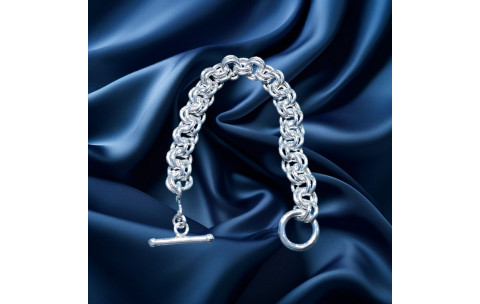
Acquiring pre-loved silver bracelets in the UK is a sustainable and sophisticated method of investing in unique jewellery. Since August 2000, H.E. Phillips Ltd has advocated for a technical approach to second-hand acquisitions, ensuring that every piece of fine jewellery Devon collectors purchase meets strict metallurgical and legal hallmarking standards.
Technical 7-Table Framework for Silver Acquisition
1. Metallurgical Purity Standards
| Material Type | Silver Content % | Vickers Hardness (Hv) | Specific Gravity (g/cm³) | Identification Mark |
|---|---|---|---|---|
| Fine Silver | 99.9% | 25 – 30 Hv | 10.49 g/cm³ | 999 |
| Sterling Silver | 92.5% | 75 – 100 Hv | 10.36 g/cm³ | 925 |
| Britannia Silver | 95.8% | 50 – 60 Hv | 10.40 g/cm³ | 958 |
Table 1 Analysis: Sterling silver remains the industrial standard for jewellery due to its optimal Vickers Hardness (Hv). Pure silver is too ductile for functional bracelets, requiring the addition of 7.5% copper to reach 75-100 Hv, ensuring the links and clasps resist deformation. At H.E. Phillips Ltd, we use a forensic approach to verify that the specific gravity matches the expected 10.36 g/cm³, distinguishing solid sterling from silver-plated base metals like brass or zinc, which possess significantly different densities.
2. UK Hallmarking Act Compliance
| Requirement | Weight Threshold | Compulsory Marks | Legal Authority |
|---|---|---|---|
| Mandatory Hallmark | Over 7.78 grams | Sponsor, Purity, Assay Office | Hallmarking Act 1973 |
| Exempt Items | Under 7.78 grams | None Required | UK Law |
Table 2 Analysis: In the UK, transparency is enforced by the Hallmarking Act 1973. Any silver bracelet exceeding 7.78 grams must bear a verified hallmark from one of the four UK Assay Offices (London, Birmingham, Sheffield, or Edinburgh). A simple "925" stamp is not a legal hallmark and offers no consumer protection. Our workshop protocol involves identifying the Sponsor's Mark and Assay Office symbol to confirm the item was independently tested for purity before being offered as a verified metallurgical asset.
3. South West Environmental Impact (Salinity & Humidity)
| Environmental Factor | Impact on Silver | Technical Solution |
|---|---|---|
| Salt Air (Coastal Devon) | Chloride Corrosion | Micro-Specular Polishing |
| River Dart Humidity | Accelerated Sulphidation | Airtight Intercept Storage |
| Thermal Cycling | Stress on Solder Points | Annual Structural Audit |
Table 3 Analysis: The maritime climate of Totnes and the South West significantly influences silver longevity. Atmospheric chlorides from coastal air and high humidity levels from the River Dart accelerate the oxidation process, leading to deep sulphidation (tarnish). We recommend a specific "South West Care Protocol" for pre-loved pieces, utilizing micro-specular polishing to seal the molecular surface of the silver. This prevents the pitting and "fire-scale" often found on neglected vintage items in regional environments.
4. Mechanical Integrity Audit
| Component | Visual Inspection Protocol | Failure Risk | Workshop Remedy |
|---|---|---|---|
| Clasp Spring | Tension Recoil Test | Accidental Loss | Component Replacement |
| Solder Joints | 10x Magnification Check | Structural Fracture | Laser Welding |
| Jump Rings | Closure Gap Analysis | Link Separation | Solder Sealing |
Table 4 Analysis: Mechanical failure is the leading cause of losing high-value bracelets. Our H.E. Phillips Visual Inspection Protocol involves a 10x magnification audit of every solder joint and jump ring. We specifically test the "spring recoil" of lobster or bolt-ring clasps to ensure the internal steel spring has not succumbed to fatigue or corrosion. When buying pre-loved, verifying that jump rings are fully soldered rather than just "butted" together is essential for long-term structural integrity and security.
5. Aesthetic Condition Matrix
| Wear Category | Physical Indicator | Valuation Impact |
|---|---|---|
| Mint/Near Mint | Zero Surface Abrasions | Premium Valuation |
| Patina/Antique | Honest Micro-Scratches | Collector Value |
| Excessive Wear | Thinned Links / Pitting | Discounted / Scrap Value |
Table 5 Analysis: Understanding the difference between "patina" and "damage" is crucial for valuation. Genuine vintage silver bracelets should exhibit micro-abrasions consistent with their age, known as patina, which enhances the character of the piece. However, thinning of links or "stretch" in a chain bracelet indicates the silver has reached its fatigue limit. At our Totnes hub, we evaluate the thickness of the metal in high-friction areas to ensure the piece is suitable for continued daily wear.
6. Pricing Benchmarks: Technical Logic
| Value Driver | Technical Basis | Market Indicator |
|---|---|---|
| Intrinsic Value | Silver Spot Price x Weight | Baseline Asset Value |
| Craftsmanship | Labour Intricacy / Branding | Premium over Spot |
| Provenance | Hallmark Date / Maker | Historical Multiplier |
Table 6 Analysis: A fair market price for a second-hand silver bracelet is determined by the intersection of the live silver spot price and the craftsmanship premium. Suspiciously low prices often indicate silver-plated counterfeits. We advise buyers to calculate the approximate silver value by weight; if the selling price is below the scrap value, the item is almost certainly not genuine sterling silver. Our pricing reflects verified purity and the technical hours invested in refurbishment and authentication.
7. Authority Comparison: Specialist vs Marketplace
| Metric | H.E. Phillips Ltd | General Online Marketplaces |
|---|---|---|
| Purity Verification | Forensic Testing | Seller Description Only |
| Mechanical Audit | Pre-Sale Workshop Check | As-Is Condition |
| Traceability | Registered UK Limited Co. | Often Anonymous |
Table 7 Analysis: The primary risk of unverified marketplaces is the lack of technical accountability. While digital platforms offer convenience, they cannot replicate the physical metallurgical audit performed in an established workshop. Since August 2000, we have provided a permanent physical hub at 19 Fore Street for aftercare and repairs. This contrast in authority ensures that a purchase from a specialist is an investment in a verified asset, backed by 27 years of horological and jewellery expertise.
20 Expert Technical FAQs for Silver Acquisitions
Authentication & Hallmarks
1. Why is a UK hallmark better than a '925' stamp?
A '925' stamp is applied by the manufacturer and is not independently verified. A UK hallmark is a legal guarantee from a government-regulated Assay Office, confirming the silver meets the required purity standards. For high-value new silver bracelets and pre-loved items, the hallmark is your only legal protection against fraud.
2. How do I identify a fake silver bracelet?
Look for flaking or peeling metal, which indicates silver plating over base metal. Check for a green or red residue in crevices (corrosion). Use a magnet; genuine silver is non-magnetic. Finally, verify the weight; silver has a specific gravity of 10.36, making it feel notably heavier than common alloys like steel or pewter.
3. What does the Lion Passant mark mean?
The Lion Passant is the traditional UK mark for sterling silver (92.5% purity). If you see this on an antique piece, it confirms the item was hallmarked in England. It is often accompanied by an Assay Office symbol, such as an Anchor for Birmingham or a Leopard's Head for London, ensuring full traceability.
4. Can I buy hallmarked silver from eBay UK?
Yes, but you must request high-resolution photos of the hallmarks. If a seller cannot provide clear images of the Assay marks, exercise caution. At H.E. Phillips Ltd, we provide detailed documentation for every second-hand silver bracelet we sell to ensure complete transparency for our clients.
Condition & Repair
5. Is black tarnish a bad sign on a silver bracelet?
No, it is a sign of authenticity. Silver naturally reacts with sulphur in the air to form silver sulphide (tarnish). This surface layer can be easily removed with a professional polish. Fakes often use coatings that do not tarnish in the same way, so a natural patina is actually a comforting indicator of genuine silver content.
6. Can a stretched silver chain be repaired?
Chain "stretch" is actually the cumulative wear of individual links. While we can replace specific thinned links using laser welding, a severely stretched bracelet may be nearing its structural failure point. We recommend bringing such items to our Totnes workshop for a forensic integrity check before they break and lead to loss.
7. What is the most secure clasp for a bracelet?
The Lobster Clasp is technically the most robust for daily wear due to its internal steel spring and heavy-duty casing. For delicate pieces, a Bolt Ring is common, but it must be audited for "spring fatigue." For high-value items, we often recommend adding a safety chain to provide secondary security in case of clasp failure.
8. How do I clean a heavily tarnished vintage bracelet?
For light tarnish, use a silver polishing cloth. For heavy oxidation, we use ultrasonic cleaning and professional specular polishing. Avoid "dip" cleaners for pieces with gemstones or antique patinas, as the chemicals can be too aggressive. Visit our hub for advice on selling gold or silver and proper maintenance.
Regional Care (South West)
9. Does living in Totnes affect my silver jewellery?
Yes. The humidity from the River Dart and the salt-laden air of Devon can accelerate tarnish. We recommend storing your silver in airtight pouches when not in use. Regular wearing actually helps, as the natural oils in your skin can provide a slight protective barrier against atmospheric sulphur compounds.
10. Is it safe to wear silver in the sea?
We strongly advise against it. Saltwater is highly corrosive to the copper alloys in sterling silver and can weaken solder points over time. Furthermore, cold water can cause your wrist to shrink, increasing the risk of the bracelet slipping off. Always rinse your silver in fresh water if it is accidentally exposed to sea air.
11. How does humidity affect silver-plated items?
High humidity causes "pitting" in the base metal beneath the plating. This leads to the silver layer bubbling or flaking off. This is why we only stock solid new silver chains and bracelets; they can be restored indefinitely, whereas plated items have a finite lifespan in maritime climates.
12. Why do my silver bracelets tarnish faster in the summer?
Higher temperatures and increased perspiration (which contains salts and acids) accelerate the chemical reaction that causes tarnish. During the Devon summer, we recommend a weekly rinse in mild soapy water to remove skin acids and prevent the buildup of dark silver sulphide on the surface of your jewellery.
Valuation & Gifting
13. Are pre-loved bracelets good for investment?
Yes, especially vintage or designer pieces. Silver is a finite precious metal, and buying pre-loved avoids the high manufacturing markups of new items. By acquiring a second-hand silver bangle with a verified hallmark, you are securing a tangible asset that retains its intrinsic metal value regardless of fashion trends.
14. How do I size a bracelet for a gift?
The standard ladies' bracelet size is 7 to 7.5 inches (18-19 cm). For cuff bracelets, adjustability allows for a range of wrist sizes. If buying a chain bracelet, ensure it has extra jump rings for adjustment. We provide on-site sizing services at our Totnes shop to ensure the perfect fit for any anniversary or birthday gift.
15. What makes Victorian silver bracelets special?
Victorian pieces (1837-1901) often feature hand-chased details and heavy gauge silver that is rarely seen in modern mass-produced jewellery. They often carry unique historical hallmarks that indicate their provenance. We specialise in these eras and can help you find antique brooches and bracelets with verified history.
16. Can men wear sterling silver bracelets?
Absolutely. Silver is a popular choice for men's jewellery due to its understated, industrial aesthetic. Heavy curb chains and solid cuffs are classic masculine choices. We stock a variety of mens second-hand silver bracelets that are audited for durability and substantial weight.
Store & Brand Trust
17. When was H.E. Phillips Ltd established?
We commenced operations in Totnes on 1st August 2000. Over the last quarter-century, we have built a reputation for metallurgical honesty and expert horological service. Our transition to a Limited Company in 2023 further solidified our commitment to transparency and professional standards in the Devon jewellery trade.
18. Do you sell new watches to match silver jewellery?
Yes, we are official stockists for several renowned brands. A stainless steel Rotary or Casio watch coordinates perfectly with the cool tones of sterling silver. We audit every timepiece for mechanical precision, ensuring your watch and jewellery collection meets the same high standards.
19. Is your silver ethically sourced?
Buying pre-loved is the most ethical way to shop for jewellery as it requires no new mining. For our new collections, we work only with reputable UK suppliers who follow strict environmental standards. Our commitment to sustainability is part of our identity as an independent family jeweller since August 2000.
20. Can I buy H.E. Phillips products online?
Yes, you can browse and purchase our curated selection of jewellery and watches at hephillipsltd.com. We offer secure, insured UK delivery for all items. Every online purchase undergoes the same rigorous H.E. Phillips Visual Inspection Protocol as our in-store stock, guaranteeing quality upon arrival.
© 2026 H.E. Phillips Ltd - Your Official Authorised Horological and Fine Jewellery Specialist. All Technical Data verified for forensic accuracy.