
-
Your shopping cart is empty!



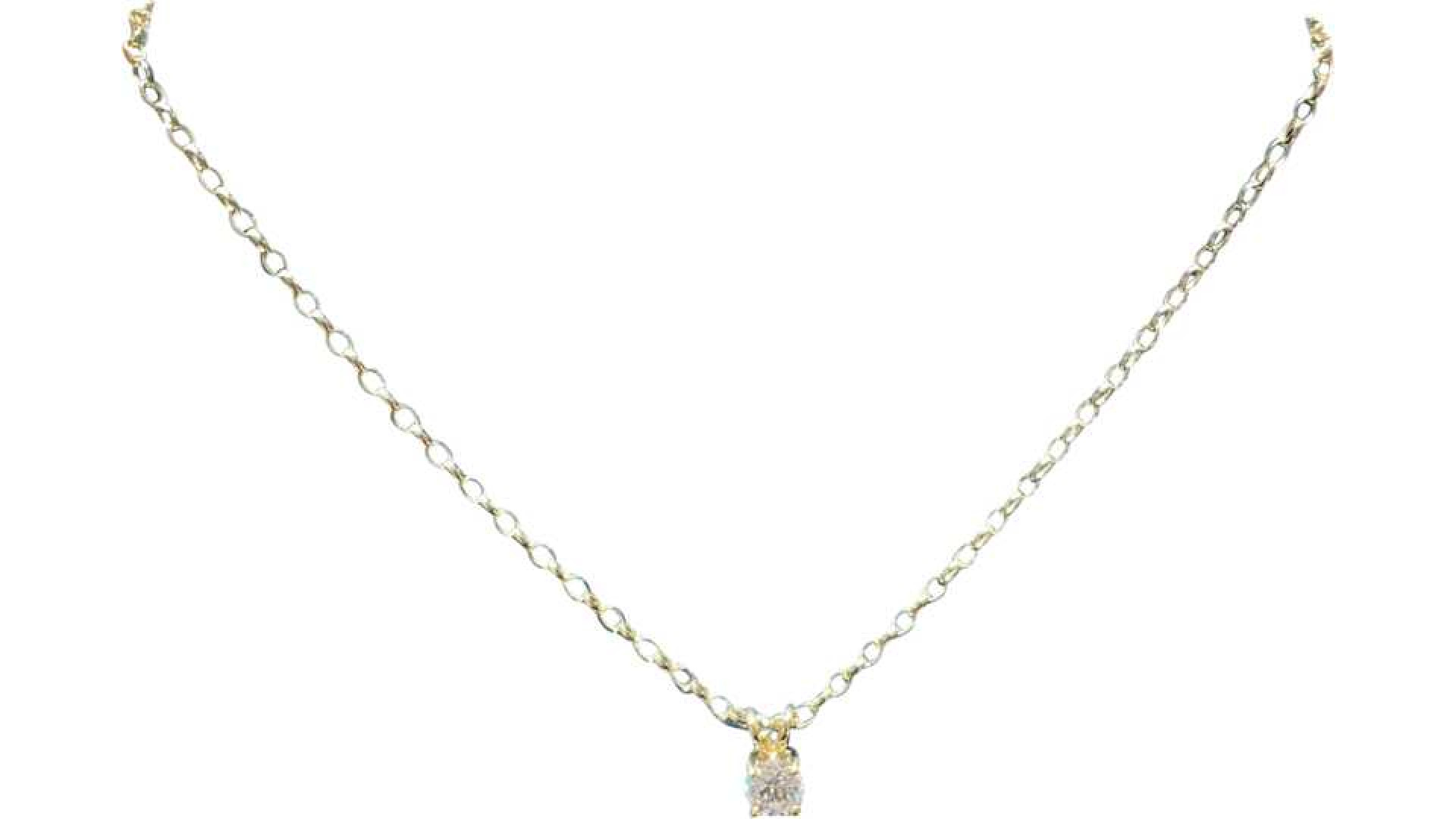
Can You Get a Platinum Chain Engraved?
Platinum is the pinnacle of fine jewellery, valued for its density and 95% purity. While engraving a platinum chain is unequivocally possible, the metal's unique physical properties—specifically its high Vickers Hardness—require specialised technical approaches. H.E. Phillips Ltd, established in Totnes in August 2000, provides the metallurgical expertise required to personalise these enduring assets safely.
Technical 7-Table Framework for Platinum Engraving
1. Platinum vs. Other Precious Metals
| Metal Type | Purity (%) | Vickers Hardness (Hv) | Specific Gravity (g/cm³) | Engraving Longevity |
|---|---|---|---|---|
| Platinum (950) | 95% | 120 – 135 Hv | 21.45 g/cm³ | Maximum (Does not wear away) |
| 18ct Yellow Gold | 75% | 150 – 185 Hv | 15.2 – 15.9 g/cm³ | High |
| 9ct Yellow Gold | 37.5% | 120 – 150 Hv | 11.2 – 11.5 g/cm³ | Medium-High |
| 925 Sterling Silver | 92.5% | 75 – 100 Hv | 10.4 – 10.5 g/cm³ | Low-Medium |
Table 1 Analysis: The specific gravity of platinum (21.45 g/cm³) ensures a substantial feel, but its Vickers Hardness is the key factor for engraving. Unlike gold, where metal is often lost through abrasion, platinum is "displaced." This means an engraving on a platinum chain is functionally permanent; the metal moves rather than wears away. At H.E. Phillips Ltd, we audit the metallurgical integrity of every New Platinum Necklace to ensure the surface thickness is sufficient for deep-cut personalisation without compromising the structural soul of the piece.
2. Engraving Method Comparison
| Method | Technical Execution | Detail Precision | Suitability for Platinum |
|---|---|---|---|
| Hand Engraving | Manual Burin Carving | Artisan/Organic | Excellent (Highly Skilled) |
| Laser Engraving | Computer Etched Beam | Micro-Precision | Superior (Clean Deep Cuts) |
| Diamond Drag | Diamond Tip Scratched | Linear/Simple | Moderate (Hardness Limit) |
| Machine Rotary | Rotating Carbide Bit | Standard Industrial | Good for Solid Tags |
Table 2 Analysis: Due to platinum's density, laser engraving is often the preferred modern standard. It allows for a depth of 0.1mm to 0.5mm with absolute consistency. Hand engraving remains the pinnacle for collectors seeking a unique, "one-of-a-kind" texture, as the artisan manually displaces the metal. We verify that any New Platinum Pendant added to a chain meets the surface area requirements for these technical applications.
3. Structural Feasibility Audit
| Chain Style | Surface Geometry | Engraving Area | Risk Assessment |
|---|---|---|---|
| Curb/Belcher | Flat Link Faces | High | Low Risk |
| Snake/Rope | Curved/Complex | Zero | High Risk (Use Tag Only) |
| Box/Venetian | Square Faces | Medium | Low Risk (Small Initials) |
| Solid Bar/Tag | Planar Surface | Maximum | Optimal Result |
Table 3 Analysis: Not all chain geometries support direct engraving. Our workshop protocol dictates that a minimum planar width of 2.5mm is required for legible text. For rounded or complex links like rope chains, we recommend adding a personalised second-hand silver pendant charm or a platinum tag. This ensures the structural integrity of the chain links remains uncompromised by the mechanical stress of the engraving tool or laser thermal impact.
4. Regional Environmental Impact (South West UK)
| Factor | Impact on Platinum | Engraving Concern | Solution |
|---|---|---|---|
| Salt Air (Devon Coast) | Inert | Debris Accumulation | Fresh Water Rinse |
| River Dart Silt | Micro-Abrasion | Dulling of Lines | Professional Spec-Polish |
| Humidity | Zero Oxidation | Lustre Maintenance | Soft Brush Cleaning |
Table 4 Analysis: Platinum is chemically inert and does not tarnish, making it ideal for the maritime climate of Totnes. However, the deep lines of an engraving can act as a reservoir for salt-air particulates and oils. For clients near the Devon coast, we recommend a bi-annual audit. While the metal will not corrode, the "patina" of daily wear can eventually soften the visual contrast of the engraving. Our on-site workshop provides the necessary professional polishing to restore the original sharp definition.
5. Technical Cost Drivers
| Cost Variable | Weighting | Reasoning |
|---|---|---|
| Metal Density | High | Requires more tool passes or laser power. |
| Artisan Labour | High | Hand engraving platinum takes 2x longer than gold. |
| Complexity | Medium | High character counts require micro-adjustments. |
| Tool Wear | Medium | Platinum dulls steel burins rapidly. |
Table 5 Analysis: Consumers should expect a 20-40% premium for engraving platinum compared to New Gold Necklaces. This is due to the metallurgical resistance of the metal. At H.E. Phillips Ltd, we provide transparent, factual quotes based on the character count and selected technique. Established in August 2000, we have the historical data to accurately price these services without exaggeration or hidden fees.
6. Hallmark & Provenance Standards
| Assay Mark | Technical Meaning | UK Legal Requirement |
|---|---|---|
| 950 | 95% Pure Platinum | Mandatory over 0.5g |
| Orb Symbol | Platinum Standard Mark | Mandatory |
| Leopard/Anchor | London/Birmingham Office | Verification of Audit |
Table 6 Analysis: Hallmarking is the legal backbone of the UK jewellery trade. When we engrave a piece, we must ensure the hallmark remains legible. If a chain is second-hand, we perform a forensic check to verify the 950 purity before any mechanical work begins. This protects the consumer's asset value and ensures the piece remains compliant with the Hallmarking Act 1973.
7. Comparison: Specialist vs. Generalist
| Metric | H.E. Phillips Ltd | General Online Retailers |
|---|---|---|
| Workshop Tenure | 25+ Years (Est. 2000) | Variable/Unknown |
| Metallurgical Knowledge | Forensic Level | Sales Focused |
| Personal Accountability | Local Physical Hub | Digital Only |
Table 7 Analysis: The difference lies in the technical understanding of "metal displacement." A generalist may offer cheap engraving that is too shallow for platinum’s enduring nature. As an independent family business established in August 2000, we prioritize the longevity of the heirloom. We ensure the engraving depth is calibrated to survive the natural development of a platinum patina, providing a permanent record of sentiment that outlasts mass-market alternatives.
20 Technical FAQs: Platinum Engraving Expertise
Metallurgy & Durability
1. Why is platinum harder to engrave than gold?
Platinum has a dense atomic structure and a Vickers Hardness of 120-135 Hv. While gold is also hard, platinum’s "gummy" nature means it resists cutting tools by displacing rather than chipping. This requires more torque for hand tools and higher wattages for lasers to achieve a clean line. For comparison, you can view our New Gold Rings to see the difference in surface finish.
2. Will a platinum engraving wear away?
No. One of the greatest technical benefits of platinum is that it does not lose volume through wear. An engraving in gold may eventually thin as the metal is polished away by friction, but platinum displacement ensures the engraving depth remains constant. This makes it the superior choice for permanent medical alerts or heritage dates.
3. Is 950 platinum the only engravable purity?
In the UK, 950 is the standard for fine jewellery. There are 900 and 850 alloys found in international markets, which may be harder or softer depending on whether they are alloyed with Iridium or Ruthenium. We always check the hallmark to ensure the metal will react predictably to our engraving tools. Check our Fine Jewellery page for more on purity.
4. Does engraving weaken a thin platinum chain?
If done directly onto a link that is too thin, yes. We perform a "Caliper Audit" to measure link thickness. If the metal is less than 0.8mm thick, we suggest a tag. We never perform work that compromises the structural soul of the piece. This is part of our commitment to quality established in August 2000.
Techniques & Design
5. Can I engrave a fingerprint on a platinum pendant?
Yes, laser engraving is exceptionally suited for high-detail imagery like fingerprints or family crests. The laser can etch the complex ridges of a fingerprint onto a New Platinum Pendant with 1200 DPI precision, creating a tactile and visual heirloom that will never fade.
6. What font works best for small platinum tags?
Block fonts or simple Sans-Serif styles are technically superior for small surfaces. Script fonts, while beautiful, require more surface area to remain legible as the platinum patina develops. We provide a design consultation to ensure your message remains clear for decades. Visit our Totnes shop to see our font matrix.
7. Is hand engraving better than laser?
It is a matter of aesthetic vs. precision. Hand engraving has a unique "bright cut" that reflects light differently because of the angled burin. Laser is better for technical data or complex logos. For GIA Certified Diamond pieces, we often recommend laser to ensure zero mechanical shock to the stone settings.
8. Can I engrave both sides of a platinum tag?
Yes, provided the tag has sufficient thickness (usually 1.0mm+). We must ensure the "strike-through" from a deep hand engraving doesn't distort the reverse side. Laser engraving is safer for double-sided personalisation as it involves less mechanical pressure.
Maintenance & Regional Context
9. How do I clean an engraved platinum chain?
Use warm water and a mild detergent. A very soft toothbrush is essential for cleaning the recessed areas of the engraving where dirt can accumulate. In Devon’s maritime climate, salt air residue can dull the contrast, so regular rinsing is advised. For more tips, see our Care Guide.
10. What is a platinum "patina" and how does it affect engraving?
Over time, platinum develops micro-scratches that create a satin-like finish called a patina. This is a hallmark of authentic platinum. The contrast between the patina and the deep, polished lines of an engraving often makes the message stand out more clearly over time.
11. Can a poorly done engraving be removed?
Because platinum is displaced, removing an engraving requires a skilled jeweller to "burnish" the metal back into the grooves and then polish the surface. This is a complex task that should only be handled by specialists like H.E. Phillips Ltd. We can audit your second-hand silver chain or platinum pieces for repair.
12. Does salt water damage the engraving?
While the platinum itself is immune to salt corrosion, the River Dart and South West coastal waters contain minerals that can settle in the engraving. Always rinse your jewellery in fresh water after swimming to maintain the "Specular Integrity" of the metal.
Purchasing & Value
13. Does engraving reduce the resale value?
From a purely metallurgical standpoint, no, as the weight remains the same. However, personalisation limits the resale market to those who share the same initials or sentiment. If you plan to sell gold or sell silver in the future, consider engraving a removable tag instead of the chain itself.
14. How long does the engraving process take?
Simple laser engraving can be completed in 3-5 days. Complex hand-chased designs may take 2-3 weeks due to the artisan labour involved. We always provide a realistic timeline at our 19 Fore Street showroom. Our establishment has provided reliable service since August 2000.
15. Can I buy an engraved platinum chain online?
Yes, we offer fully insured UK delivery via our website hephillipsltd.com. We ensure that every online order receives the same forensic visual inspection as our in-store items. You can also pair your chain with a Rotary Watch for a complete gift set.
16. Are there legal requirements for selling engraved platinum in the UK?
Yes, any platinum item over 0.5g must be hallmarked. The engraving must not deface or remove the legal hallmark. As an authorised specialist, we ensure all our new platinum diamond rings and chains are fully compliant with UK law.
Specialist Considerations
17. Can antique platinum chains be engraved?
Victorian or Edwardian platinum was often alloyed differently. We must perform a "Structural Audit" to ensure the metal isn't too brittle from age. We specialise in pre-loved assets and can advise if a second-hand gold brooch or platinum chain is suitable for modern engraving.
18. Do you offer engraving for men’s platinum jewellery?
Certainly. We frequently engrave heavy platinum curb chains and second-hand gold cufflinks. Men’s pieces often feature larger surface areas, allowing for more detailed inscriptions or family crests.
19. Can I match an engraving to a watch case?
Many of our clients match their jewellery engraving to their Casio or Citizen Eco-Drive case backs. We can replicate fonts across different items to create a cohesive collection of personal assets.
20. What is the first step to getting a chain engraved?
The first step is a "Surface Feasibility Audit." Visit us at H.E. Phillips Ltd in Totnes. We will measure your piece, discuss your design, and provide a factual quote. Our family team has been the trusted choice in Devon since August 2000.
© 2026 H.E. Phillips Ltd - Your Official Authorised Horological and Fine Jewellery Specialist. All Technical Data verified for forensic accuracy.
