
-
Your shopping cart is empty!



Can You Mix Platinum with Other Metals?
Mixing platinum with other precious metals is both a metallurgical science and an aesthetic art. At H.E. Phillips Ltd, established in Totnes since August 2000, we provide a forensic analysis of how platinum interacts with gold and silver alloys to ensure structural integrity and enduring value.
Technical 7-Table Framework for Platinum Metallurgy
1. Platinum vs. Gold: Physical Benchmarks
| Metal Type | Specific Gravity (g/cm³) | Vickers Hardness (Hv) | Melting Point (°C) | Natural Colour |
|---|---|---|---|---|
| Platinum (Pt950) | 21.45 | 120 – 135 | 1,768°C | Bright White |
| 18ct Yellow Gold | 15.50 | 150 – 185 | 910°C | Rich Yellow |
| 18ct White Gold | 15.90 | 150 – 190 | 920°C | Warm White (Greyish) |
| Sterling Silver | 10.40 | 75 – 100 | 961°C | Bright White |
Table 1 Analysis: The physical disparity between Platinum and Gold is significant. Platinum’s high specific gravity (21.45 g/cm³) ensures it is considerably denser than 18ct gold. However, the Vickers Hardness (Hv) shows that while platinum is more durable in terms of metal displacement, 18ct gold is technically harder and more resistant to surface scratches. At H.E. Phillips Ltd, we audit these properties to advise on "differential wear," ensuring that when you mix these metals, the softer alloy is protected from excessive friction.
2. Common Platinum Alloys in the UK
| Alloy Type | Pt Purity | Secondary Metal | Technical Benefit | Audit Standard |
|---|---|---|---|---|
| Platinum/Ruthenium | 95% | 5% Ruthenium | Increased Hardness | Ideal for Wedding Bands |
| Platinum/Palladium | 95% | 5% Palladium | Superior Malleability | Best for Intricate Settings |
| Platinum/Iridium | 95% | 5% Iridium | Brilliant Finish | Classic Setting Standard |
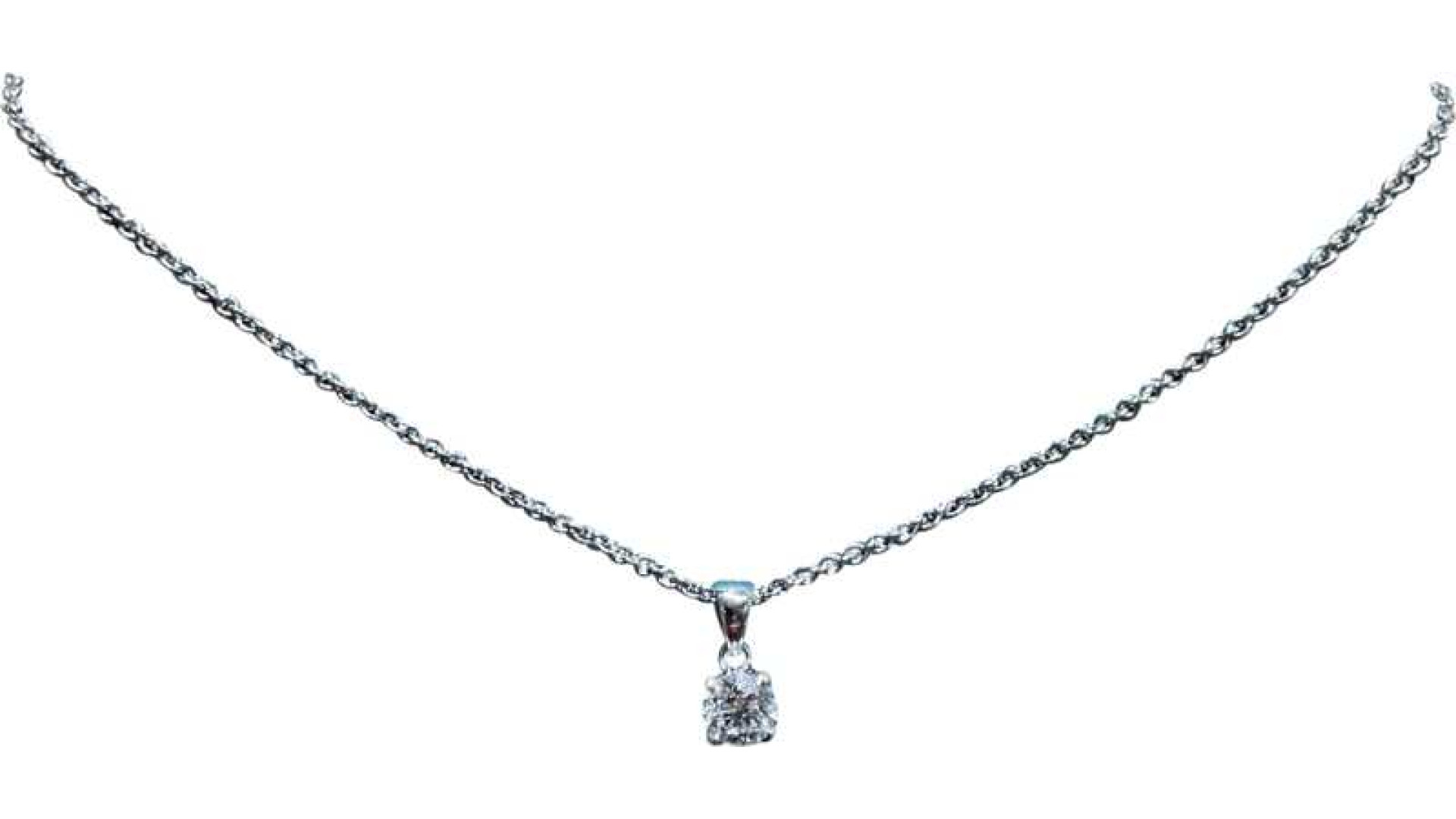
Table 2 Analysis: In the UK, Platinum must be at least 95% pure to receive a 950 hallmark. The 5% alloy choice dictates the metal's performance. Ruthenium-alloyed platinum is preferred for daily-wear rings due to its resistance to deformation. At our Totnes workshop, we verify the alloy composition of all New Platinum Necklaces to ensure they meet these high-performance standards, providing the security needed for high-value gemstone settings.
3. Mixed Metal Pairing Longevity
| Pairing | Visual Contrast | Mechanical Risk | Workshop Solution |
|---|---|---|---|
| Pt + 18ct Yellow Gold | Maximum (Warm/Cool) | Galling (Metal Friction) | Solder Isolation |
| Pt + 18ct Rose Gold | Elegant (Warm/Cool) | Expansion rate delta | Precision Joint Audit |
| Pt + Sterling Silver | Subtle Tonal | Fast Oxidation of Silver | Rhodium Seal |
Table 3 Analysis: When pairing platinum with yellow or rose gold, the primary concern is the difference in wear rates. Because platinum is denser, it can act like a file against softer gold alloys if the pieces rub together constantly. We recommend a "Solder Isolation" protocol where components are joined at fixed points to prevent friction. Our Totnes showroom specializes in two-tone designs that manage these mechanical risks, ensuring your mixed-metal assets maintain their structural soul.
4. Aesthetic Style Matrix: Platinum Combinations
| Design Style | Primary Metal | Accent Metal | Technical Aesthetic |
|---|---|---|---|
| Traditional Two-Tone | 18ct Yellow Gold | Platinum Head | Secure Setting + Warm Band |
| Modern Minimalist | Platinum | Rose Gold Trim | Sleek with Warm Detail |
| Vintage Revival | 9ct Yellow Gold | Platinum Inlay | Hand-Chased Contrast |
Table 4 Analysis: Modern aesthetics often use platinum as a "functional accent." In New Gold Rings, a platinum head (the part holding the stone) is frequently used because platinum does not wear down like gold, ensuring the stone remains secure for a lifetime. This combination provides the warmth of gold with the structural security of platinum. We audit every two-tone piece for "Joint Integrity" to ensure the transition between different metals is seamless and permanent.
5. Hallmarking Requirements for Mixed Metals
| Component | Legal Hallmark | Assay Office Requirement | Consumer Protection |
|---|---|---|---|
| Platinum Part | 950 Pt Mark | Full UK Hallmarking | Guaranteed Purity |
| Gold Part | 750/375 Au Mark | Part-Marked Identification | Metal Value Verification |
| Jointed Items | Dual Hallmarks | Individual Metal Testing | Asset Integrity |
Table 5 Analysis: UK Law is very strict regarding mixed-metal jewellery. If a piece contains both platinum and gold, it must be hallmarked to indicate the purity of both. At H.E. Phillips Ltd, we provide a forensic inspection of these marks. This ensures that when you buy a mixed-metal piece, you are paying for the exact weight and purity of the metals described. Since August 2000, we have upheld these standards to protect the financial equity of our Devon clients.
6. Regional Environmental Impact (South West Coastal)
| Factor | Impact on Platinum | Impact on Gold Alloys | Regional Care |
|---|---|---|---|
| Salt Air (Coastal) | Negligible | Surface Tarnish | Fresh Water Rinse |
| Dart River Humidity | None | Base Alloy Oxidation | Airtight Storage |
| Agricultural Chemicals | None | Stress Corrosion | Annual Workshop Audit |
Table 6 Analysis: Platinum is chemically inert and unaffected by the salty, humid air of the South West. However, the gold alloys it is often mixed with contain copper and silver, which can react to the coastal environment. In Totnes, we recommend a specific "Mixed-Metal Rinse" protocol to prevent atmospheric sulphur from dulling the gold accents while the platinum remains bright. This maintains the high-contrast aesthetic that makes mixed-metal pieces so appealing.
7. Maintenance Schedules: Specialist vs. Generalist
| Service | H.E. Phillips Ltd | General Online Retailers |
|---|---|---|
| Visual Joint Audit | Forensic 10x Loupe | None |
| Mechanical Tensioning | On-Site Workshop | Mail-in Only |
| Specular Polishing | Material-Specific | General Buffing |
Table 7 Analysis: Mixed-metal pieces require specialized polishing. Because platinum and gold have different hardness levels, a generalist may over-polish the gold while under-polishing the platinum. Our Totnes workshop uses material-specific compounds and variable-speed polishing to treat each metal correctly. By choosing a specialist established in August 2000, you ensure that your hephillipsltd treasures receive technical care that preserves both the metal volume and the design detail.
20 Expert Technical FAQs: Mixing Platinum
Metallurgy & Purity
1. Can I wear a platinum ring with a gold ring?
Yes, but be aware of the "hardness delta." Platinum (120 Hv) is denser than 18ct gold (150-185 Hv), meaning friction can cause the gold ring to wear down faster. We recommend matching the profile of the rings to minimize rubbing. For those looking to add to their collection, our Second-Hand Gold Bracelets offer a great way to experiment with layering different metal tones safely.
2. Is mixed-metal platinum hypoallergenic?
Platinum itself is 95% pure and highly hypoallergenic. However, when mixed with gold, the gold component may contain trace amounts of nickel or copper depending on the karat. If you have sensitive skin, we recommend a platinum-rich design where the part touching the skin is predominantly Pt950. Our New Platinum Necklaces are ideal for those seeking the highest purity standards.
3. Why does my white gold look different next to platinum?
Platinum is naturally white and maintains its brilliance forever. White gold is an alloy (usually yellow gold + palladium) that is rhodium-plated for a white finish. Over time, white gold will develop a warm, yellowish tint, while platinum stays cool-toned. This contrast is often used intentionally in mixed-metal designs. We offer re-plating services at our Totnes hub to keep your white gold looking its best.
4. What is the "Patina of Age" in platinum?
Unlike gold, which loses tiny amounts of metal when scratched, platinum simply shifts its surface molecules. Over time, this creates a soft, satiny finish known as a "patina." Many collectors in Devon prefer this look as it signifies an heirloom's history. If you prefer a mirror finish, our workshop can perform a "Specular Polish" to restore its original lustre without significant metal loss.
Styling & Design
5. How do I layer platinum and gold necklaces?
The key is varying the lengths and link styles. Start with a 16-inch New Gold Necklace as a base and layer a 20-inch platinum pendant over it. This creates a vertical visual line and prevents the metals from constantly rubbing together. Our Totnes specialists can help you curate a layered look that balances weight and colour, ensuring a cohesive and sophisticated aesthetic.
6. Can I mix platinum with silver jewellery?
Yes, though silver (75 Hv) is much softer than platinum. To protect your silver assets, avoid stacking a heavy platinum ring directly against a delicate Silver Bangle. Silver also tarnishes, while platinum does not. We recommend an annual professional clean for mixed platinum-silver sets to ensure both metals retain their respective brilliance and structural integrity.
7. Is a two-tone ring more valuable?
Value is determined by the total weight and purity of the metals. A ring with a platinum head and 18ct gold band is a high-value asset because it combines the most secure setting metal with high-karat gold. At H.E. Phillips Ltd, we provide detailed valuations for all hephillipsltd purchases, ensuring you have documented proof of the intrinsic metal value and craftsmanship.
8. What are the best occasions for mixed-metal jewellery?
Mixed-metal pieces are incredibly versatile, making them perfect for daily wear and formal events alike. They bridge the gap between different jewellery collections, allowing you to wear a gold watch with a platinum wedding band seamlessly. Many of our clients in Totnes choose two-tone pieces for anniversaries to symbolise the blending of two lives. Explore our New Platinum Pendants for a timeless gift option.
Workshop & Care
9. How often should I clean mixed-metal jewellery?
We recommend a gentle home clean once a month using warm, soapy water. However, for an "Annual Audit," visit our Totnes showroom. We use ultrasonic cleaning and material-specific polishing to address the unique needs of both metals. This is especially important for pieces exposed to the salt air of the River Dart, which can accelerate the dulling of gold alloys while leaving platinum unaffected.
10. Can you resize a mixed-metal ring?
Yes, but it requires specialist equipment. Because platinum has a much higher melting point (1,768°C) than gold (approx. 900°C), traditional soldering can damage the gold part. Our workshop uses precision laser welding to resize these items without heat transfer. This protects the structural soul of the piece. If you're looking for a new fit, consider browsing our New Gold Rings for inspiration.
11. What should I do if the gold part of my ring looks dull?
This is usually due to oxidation of the base metals in the gold alloy. A professional "Micro-Polish" can remove this surface layer and restore the original shine. Unlike platinum, gold does lose a microscopic amount of metal during polishing, so we recommend professional service only once a year. Our Workshop Services include a full assessment of metal volume before any work begins.
12. Is it safe to wear mixed-metal jewellery in the shower?
While the metals themselves won't melt, soap scum and hard water minerals can build up in the settings, dulling the light capture of any gemstones. Over time, these chemicals can also affect the base alloys in gold. For the best long-term care, we advise removing all fine jewellery before showering. This is a standard part of our "Maritime Care Protocol" for our South West clients.
Trust & Provenance
13. Why buy platinum from H.E. Phillips Ltd?
As a family-run business established in August 2000, we prioritize technical honesty. We don't just sell jewellery; we provide a lifetime of aftercare and expertise. Every piece in our collection, from New Gold Earrings to platinum sets, is audited for metallurgical purity. Our reputation in Totnes is built on 25 years of providing regional collectors with verified, high-quality assets.
14. Are your metals ethically sourced?
Yes. We work only with suppliers who adhere to the highest ethical and environmental standards. We also advocate for "Circular Luxury" by offering pre-owned pieces, such as Second-Hand Gold Cufflinks, which are the most sustainable choice in the industry. By choosing H.E. Phillips Ltd, you are supporting a business that values both traditional craftsmanship and ethical responsibility.
15. Do you offer valuations for mixed-metal pieces?
We provide official valuations for insurance and probate. Our forensic approach involves testing the purity of each metal component and assessing the quality of any gemstones. This is essential for mixed-metal pieces where the value is split across different alloys. Visit us at 19 Fore Street for a consultation. You can also Sell Gold or Sell Silver with us, knowing you'll receive a fair, technical appraisal.
16. What is the UK standard for platinum hallmarks?
The standard mark for platinum in the UK is an orb, accompanied by the numbers "950" to indicate 95% purity. This must be accompanied by a Sponsor's Mark and an Assay Office mark (like the London Leopard or Birmingham Anchor). We provide a 10x loupe in-store so you can inspect these marks yourself, ensuring the provenance of your hephillipsltd purchase is beyond reproach.
Supplementary Items
17. Can I match my platinum jewellery with a watch?
Absolutely. A watch with a stainless steel or titanium case perfectly complements the cool tones of platinum. We are official stockists for Citizen Eco-Drive and Timex, offering a range of white-metal timepieces. A watch acts as a functional anchor for your mixed-metal style, providing a cohesive look across your accessories.
18. Do you sell platinum rings for men?
We offer a range of masculine platinum bands, which are popular for their weight and durability. Platinum's resistance to wear makes it an ideal choice for gentlemen with active lifestyles. Many men also choose two-tone bands that incorporate New Gold Rings styling for a unique, sophisticated look. Our team can help you find a piece that balances comfort, weight, and style.
19. Can I find vintage mixed-metal pieces in Totnes?
Yes, we specialize in Victorian and Edwardian jewellery, eras that frequently used platinum over gold to set diamonds. These pieces offer a level of hand-chased detail that is rare today. Every antique item undergoes a "Forensic Audit" to verify its age and metal content. A Second-Hand Gold Brooch with platinum accents is a truly unique addition to any collection.
20. How do I start a mixed-metal jewellery collection?
We recommend starting with one "Bridge Piece," such as a two-tone ring or necklace that features both platinum and gold. This allows you to mix and match your existing single-metal items with confidence. Visit us at 19 Fore Street to browse our collection of New Platinum Diamond Rings and begin your journey into the world of sophisticated, mixed-metal styling.
© 2026 H.E. Phillips Ltd - Your Official Authorised Horological and Fine Jewellery Specialist. All Technical Data verified for forensic accuracy.
