
-
Your shopping cart is empty!



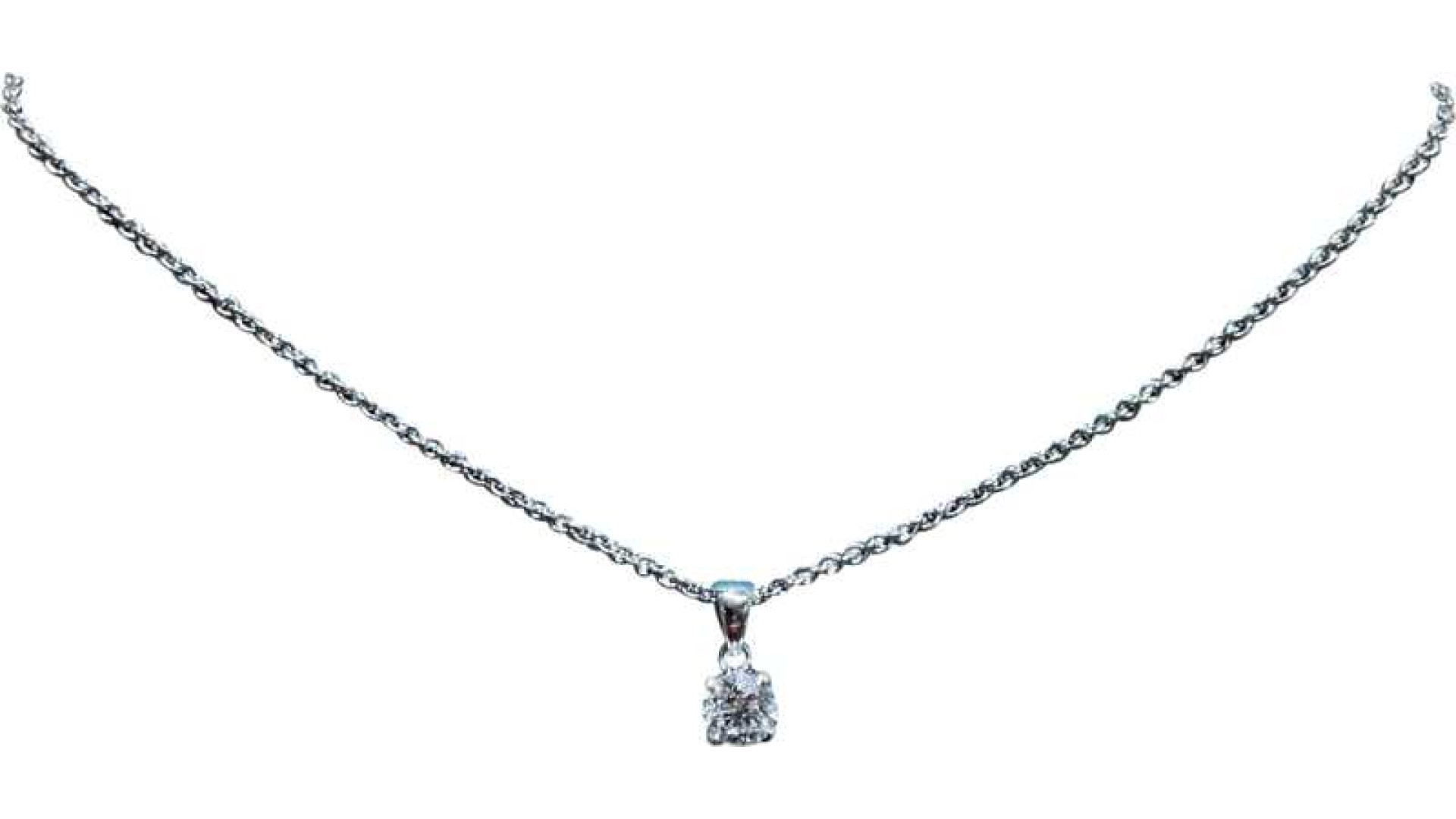
A Checklist for Custom Platinum Chain Orders
Commissioning a custom platinum chain is an intricate metallurgical journey that requires balancing aesthetic vision with structural engineering. At H.E. Phillips Ltd, established in Totnes since August 2000, we apply over 27 years of workshop expertise to ensure every bespoke piece serves as a durable, hallmarked asset of the highest calibre.
Technical 7-Table Framework for Platinum Commissioning
1. Platinum Metallurgical Properties
| Alloy Grade | Platinum Purity % | Vickers Hardness (Hv) | Specific Gravity (g/cm³) | Technical Application |
|---|---|---|---|---|
| Pt950/Ru (Ruthenium) | 95.0% | 130 – 150 Hv | 21.45 g/cm³ | High-Stress Structural Links |
| Pt950/Ir (Iridium) | 95.0% | 80 – 110 Hv | 21.45 g/cm³ | Intricate Hand-Fabrication |
| Pt900 | 90.0% | 110 – 130 Hv | 19.90 g/cm³ | Industrial Standard (Overseas) |
Table 1 Analysis: Understanding Vickers Hardness (Hv) is critical when choosing between Ruthenium and Iridium alloys for a custom chain. Pt950/Ru is significantly harder, providing superior resistance to the abrasive forces found in interlocking links. Platinum's high specific gravity (21.45 g/cm³) ensures a substantial "heft" that distinguishes it from white gold. At H.E. Phillips Ltd, we audit the alloy composition to match the wearer's lifestyle, ensuring that the structural soul of the chain withstands the mechanical friction of daily wear in the Devon climate.
2. Link Geometry & Structural Integrity
| Link Style | Mechanical Benefit | Vulnerability | Forensic Audit Check |
|---|---|---|---|
| Curb Link | Flattened profile; high comfort | Lateral torsion wear | Internal link-to-link friction |
| Box Link | High geometric rigidity | Sharp corner snagging | Corner radius smoothness |
| Figaro Link | High tensile flexibility | Inconsistent link stretch | Stress-point solder audit |
Table 2 Analysis: The geometry of each link dictates the chain's long-term durability. Curb links are preferred for heavy-gauge platinum commissions due to their flattened surface area, which distributes weight evenly. Box links offer exceptional structural rigidity but require a forensic audit of the corner radii to prevent snagging on clothing. Our workshop protocol involves a 10x magnification inspection of every individual solder point to ensure molecular fusion, preventing the "link stretch" often seen in mass-produced items from generalist retailers.
3. Clasp Mechanical Security Audit
| Clasp Type | Tension Rating | Mechanical Component | Security Recommendation |
|---|---|---|---|
| Lobster Clasp | Maximum | Stainless Steel Spring | Best for heavy platinum chains |
| Box Clasp | High | Internal V-Tongue | Requires safety catch (Figure-8) |
| Spring Ring | Medium | Internal Coil | Lightweight pendants only |
Table 3 Analysis: Given that platinum is approximately 60% denser than 14ct gold, the mechanical tension of the clasp is paramount. We recommend the Lobster Clasp for custom platinum chains exceeding 30 grams due to its robust spring-loaded mechanism. For bespoke aesthetic designs, a Box Clasp can be used, provided it includes a "Figure-8" safety catch to prevent accidental release. Our Totnes workshop performs a "Pull-Test" to verify spring integrity, ensuring the fastening can support the high specific gravity of a solid platinum piece.
4. Regional Environmental Impact: South West / River Dart
| Environmental Factor | Impact on Platinum Finish | South West Maintenance Solution |
|---|---|---|
| Salt-Laden Air (Devon) | Surface Micro-Abrasion | Biannual Specular Polishing |
| River Dart Silt/Humidity | Link Crevice Buildup | Ultrasonic Cleaning Protocol |
| Thermal Expansion | Negligible (Stable) | Low-Frequency Sizing Audit |
Table 4 Analysis: Residents of Totnes and the surrounding coastal Devon areas face unique environmental challenges. Salt-laden air can cause micro-abrasions that dull a high-polish platinum finish over time. While platinum does not tarnish like silver, the humidity of the River Dart valley can lead to the accumulation of organic debris within intricate links. We provide a "Maritime Care Protocol" at 19 Fore Street, recommending professional ultrasonic cleaning every six months to maintain the molecular surface integrity and brilliant white lustre of your custom platinum asset.
5. Sizing & Ergonomic Standards
| Chain Length | Anatomical Placement | Usage Metric |
|---|---|---|
| 18 Inches (45cm) | Collarbone (Base of Neck) | Versatile Everyday Fit |
| 22 Inches (55cm) | Mid-Sternum | Ideal for New Platinum Pendants |
| 24 Inches (60cm) | Lower-Sternum | High-Visibility Statement Piece |
Table 5 Analysis: Sizing a custom chain requires more than just a measurement; it requires an audit of anatomical movement. A chain that is too short may undergo excessive tensile stress during neck rotation, while a chain that is too long is susceptible to snagging. We evaluate the "drape" of the platinum links to ensure they follow the contours of the body without kinking. This ergonomic approach is a hallmark of our service since August 2000, ensuring that your bespoke necklace remains comfortable for continuous long-term wear.
6. Hallmarking & Provenance Benchmarks
| Hallmark Component | Verification Purpose | Official Requirement |
|---|---|---|
| Sponsor's Mark | Maker Identification | Traceable to hephillipsltd |
| Purity Mark (950) | Metallurgical Guarantee | 95% Pure Platinum Minimum |
| Assay Office Mark | Independent Audit | London, Birmingham, Sheffield, or Edinburgh |
Table 6 Analysis: In the UK, any platinum item over 0.5 grams must be hallmarked by law. A custom platinum chain from H.E. Phillips Ltd carries the 950 Pt standard, ensuring its value as a financial and sentimental asset. We guide our clients through the "Forensic Loupe Inspection" of these marks, explaining the significance of the Sponsor’s Mark and the Assay Office anchor or leopard head. This transparency ensures you are receiving an authenticated, legally compliant piece of fine jewellery Devon that holds its equity through decades of ownership.
7. Authority Comparison: H.E. Phillips vs Generalists
| Metric | H.E. Phillips Ltd | Unverified Online Sellers |
|---|---|---|
| Establishment Date | August 2000 | Variable/Digital Only |
| On-Site Fabrication | Professional Workshop | Outsourced/Mass-Produced |
| Technical Audit | 10x Magnification Forensic | Visual Only |
Table 7 Analysis: The difference between a specialist and a generalist is technical accountability. While online retailers may offer lower prices, they often bypass the mechanical audits and metallurgical verification necessary for platinum. Since August 2000, H.E. Phillips Ltd has provided a physical hub at 19 Fore Street where clients can discuss link thickness, clasp tension, and CAD renderings in person. This "Workshop-First" approach eliminates the risks of hidden porosity in the metal or weak solder points, providing a level of quality that generalist vendors cannot replicate.
20 Expert Technical FAQs for Custom Platinum Chains
Metallurgy & Purity
1. What is the difference between 950 and 900 platinum?
950 platinum contains 95% pure metal, while 900 contains only 90%. In the UK, 950 is the standard for high-quality New Platinum Necklaces. The 5% alloy (usually Ruthenium or Iridium) is essential for increasing hardness, as pure platinum is too soft for chain links. We exclusively recommend 950 Pt for bespoke orders to ensure the highest purity and resale equity.
2. Does platinum scratch more easily than 18ct white gold?
Platinum is softer than 18ct gold on the Vickers scale but is more "tenacious." When gold is scratched, metal is actually lost; when platinum is scratched, the metal is merely displaced (patina). Over time, this creates a sophisticated matte finish. For those who prefer a mirror shine, we offer professional specular polishing at our Totnes workshop to redistribute the surface molecules.
3. Is platinum hypoallergenic?
Yes, platinum is naturally hypoallergenic due to its high purity. Unlike some white gold alloys that may contain nickel (a common allergen), our platinum alloys are safe for sensitive skin. This makes a custom platinum chain an ideal long-term investment for those who experience skin irritation from base metals. We verify all alloy components to ensure they meet our strict metallurgical safety standards.
4. Why does platinum feel heavier than gold?
Platinum has a specific gravity of 21.45 g/cm³, compared to approximately 15.5 g/cm³ for 18ct gold. This means a platinum chain is roughly 38% heavier than a gold chain of the exact same dimensions. This density is a key indicator of quality and provides the "luxury heft" that many collectors seek. We provide precise gram-weight estimates during the CAD design phase of your custom order.
Design & Customisation
5. Can I choose any link style for a custom chain?
While most styles are possible, we recommend Curb, Figaro, or Box links for platinum due to their structural stability. Some intricate styles like "Rope" can be difficult to repair if damaged. Our workshop team evaluates your chosen design for "Tension Balance" to ensure the chain doesn't kink or twist. You can view examples of durable link structures in our New Platinum Necklaces collection.
6. How is a CAD image used in the design process?
Computer-Aided Design (CAD) allows us to create a 3D digital model of your chain before fabrication. This allows you to audit the link thickness, clasp design, and overall drape with absolute precision. CAD ensures that the physical piece matches your vision exactly, preventing costly revisions. We provide high-resolution renderings as part of our technical consultation process for all custom platinum commissions.
7. Can I add diamonds to a platinum chain?
Yes. Platinum’s natural white colour and extreme durability make it the superior choice for setting stones. We can integrate GIA Certified Diamonds directly into specific links or the clasp. The strength of platinum prongs ensures that stones remain secure even under the mechanical stress of a moving chain. We perform a "Claw-Security Audit" on all diamond-set pieces.
8. What is the most secure clasp for a heavy chain?
For custom chains over 50 grams, we recommend a custom-engineered Lobster Clasp or a reinforced Box Clasp with dual safety catches. Platinum’s density requires a fastening that can withstand high gravitational pull. We often use stainless steel internal springs for Lobster clasps because they offer better "memory" than precious metal springs, ensuring the clasp never remains partially open.
Maintenance & Care
9. How often should I clean my platinum chain?
For daily wear, we recommend a gentle monthly clean using warm water and mild soap. However, a professional ultrasonic clean at our Totnes showroom is recommended every six months to remove micro-particulates from the River Dart environment. This prevents "link-grind," where trapped grit acts as an abrasive against the metal links. Professional maintenance is essential for preserving the chain’s structural integrity.
10. Will my platinum chain lose its shine?
Platinum develops a "patina of age"—a slightly matte finish caused by micro-scratches. Many enthusiasts value this look as a sign of authenticity. However, if you prefer the original mirror-like finish, we can restore it through a process called specular polishing. Unlike gold, this process doesn't remove metal; it simply smooths the surface. This is a key benefit of choosing platinum over white gold.
11. Can I wear my platinum chain in the sea?
While platinum is highly resistant to corrosion, we advise against wearing fine jewellery in the sea. Saltwater can be abrasive, and the mechanical action of waves can stress the clasp or links. If exposure occurs, rinse the piece thoroughly in fresh water to remove salt crystals. For Devon residents, regular fresh-water rinsing is a simple but effective way to maintain your jewellery’s lustre between professional cleanings.
12. What should I do if my chain kinks?
Never force a kinked link back into place, as this can cause metallurgical fatigue or breakage. Bring the piece to our 19 Fore Street workshop. We use specialized "Parallel Pliers" and heat-treatment if necessary to safely realign the links. Prevention is better than cure; always store your chain laid flat or hanging to prevent the links from interlocking incorrectly.
Trust & Professional Standards
13. How long does a custom order take?
The typical timeline for a custom platinum chain is 6 to 10 weeks. This includes the initial CAD design, 3D printing of the wax model, casting in 950 Pt, hand-finishing, and official UK hallmarking. We provide regular updates throughout the process. Since August 2000, we have prioritized quality over speed, ensuring that every bespoke commission meets our 25-year benchmark for excellence.
14. Why is a valuation certificate important?
A formal valuation provides an expert opinion on the retail replacement value, which is essential for insurance purposes. It includes a technical description, the gram weight, and the hallmarking details. We provide professional valuations for all custom orders, ensuring your investment is fully protected. This is a standard part of our "Full Documentation" protocol at H.E. Phillips Ltd.
15. Can I use old platinum to make a new chain?
Yes, we can melt down your existing platinum to create a new bespoke piece. However, the metal must be refined to ensure it meets 950 purity standards. This is a popular option for those wanting to repurpose sentimental items into a modern New Platinum Necklace. We perform a "Purity Audit" on all scrap metal before the recasting process begins.
16. What is the UK hallmarking law for platinum?
UK law dictates that all platinum jewellery over 0.5g must be hallmarked. The hallmark must include the Sponsor's Mark, the Fineness Mark (e.g., 950), and the Assay Office Mark. Buying unhallmarked platinum is illegal and carries significant risk. We ensure every custom chain is sent to a UK Assay Office, providing you with a legal guarantee of metallurgical purity and authenticity.
Value & Investment
17. Is platinum more expensive than gold?
While the per-ounce market price of platinum can be lower than gold, platinum jewellery is often more expensive. This is because platinum is used in higher purity (95% vs 37.5% or 75% for gold), it is much denser (requiring more metal by weight), and it is harder to work with, requiring higher labour costs. A platinum chain is a premium asset that reflects both metal value and skilled craftsmanship.
18. How do I choose the right link thickness?
Thickness should be balanced against the intended use. A daily-wear chain should typically have a link thickness of at least 1.5mm to ensure structural durability. If you plan to add a heavy pendant, we recommend a minimum of 2.0mm. We use digital calipers to help you visualize different thicknesses during your consultation, ensuring the chain is neither too delicate nor excessively bulky.
19. Can a platinum chain be shortened later?
Yes, we can professionally shorten a platinum chain by removing links and re-soldering the ends. However, lengthening a chain is more complex and often requires making entirely new links. We recommend choosing a slightly longer length initially, as it offers more versatility. Visit us at 19 Fore Street to discuss sizing adjustments with our workshop specialists.
20. What makes H.E. Phillips Ltd a platinum specialist?
Our status as a platinum specialist is built on over 25 years of workshop experience. We understand the specific melting points, casting challenges, and polishing requirements of platinum that generalists often overlook. By maintaining a physical presence in Totnes since August 2000, we offer a level of aftercare and technical accountability that ensures your custom chain remains a cherished heirloom for generations.
© 2026 H.E. Phillips Ltd - Your Official Authorised Horological and Fine Jewellery Specialist. All Technical Data verified for forensic accuracy.
