
-
Your shopping cart is empty!



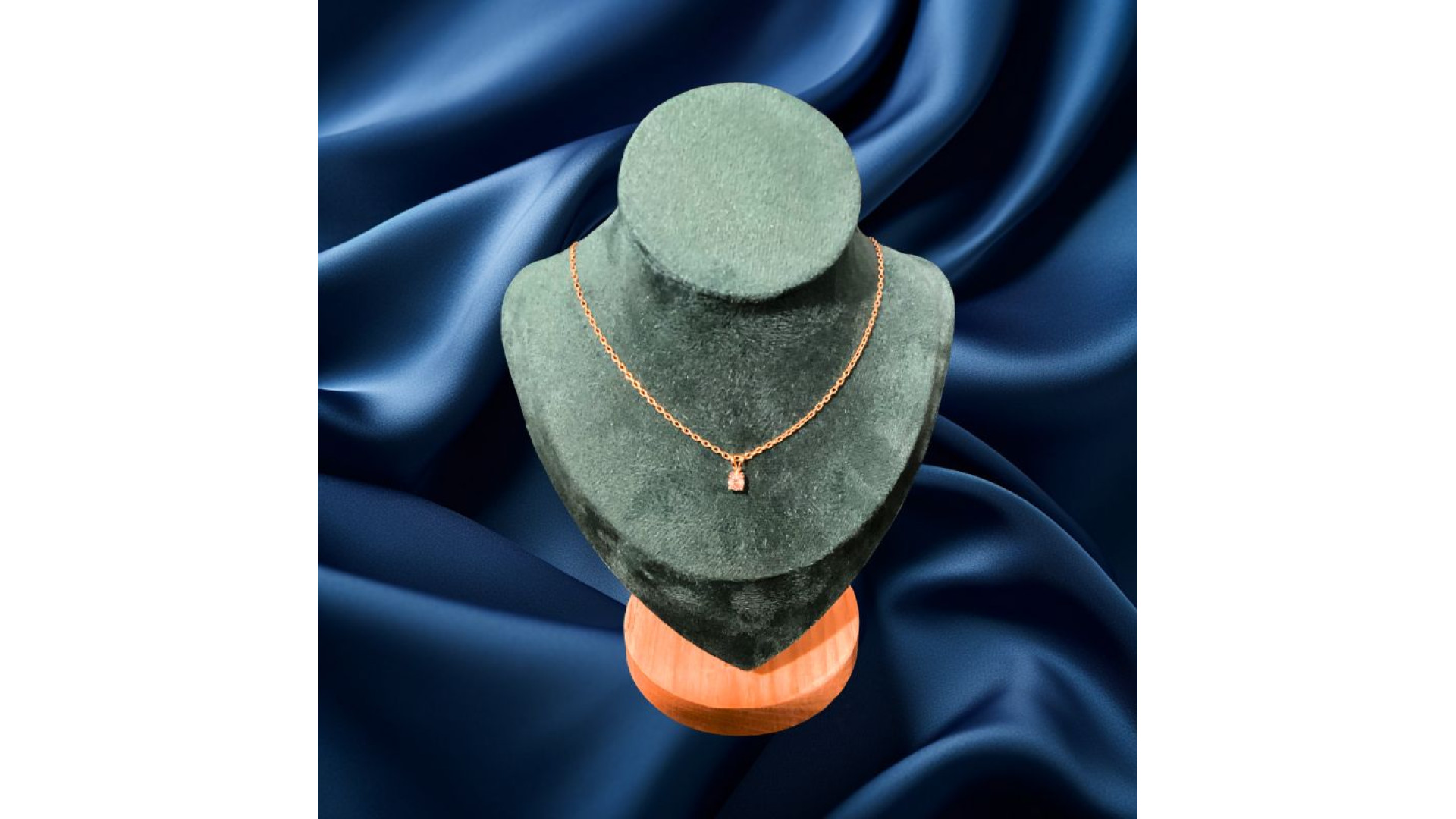
Expert Advice on Buying GIA Certified Diamond Jewellery
Purchasing diamond jewellery is a significant investment requiring metallurgical and gemological precision. To ensure the acquisition of verified quality, H.E. Phillips Ltd recommends GIA certified diamonds. This technical guide provides factual parameters for assessing diamonds within the UK market.
Technical 7-Table Framework for Diamond Procurement
1. The 4Cs Grading Metric
| C Metric | Technical Scope | GIA Standard | Impact on Value |
|---|---|---|---|
| Cut | Light Interaction | Excellent to Poor | Determines Brilliance/Fire |
| Colour | Chromative Absence | D (Colourless) to Z | Rarity increases with lack of tint |
| Clarity | Internal/External Inclusion | FL (Flawless) to I3 | Magnification (10x) verification |
| Carat | Mass Measurement | 200mg per Carat | Linear weight correlates to price |
Table 1 Analysis: The Gemological Institute of America (GIA) established the universal 4Cs system to standardise diamond grading. Unlike non-certified stones, a GIA report ensures that each "C" has been independently audited by multiple gemologists. The "Cut" grade is objectively the most influential regarding light performance, affecting the Vickers Hardness interaction and refractive index. At H.E. Phillips Ltd, we provide the technical equipment required to verify these reports, ensuring that the diamond's mass and optical characteristics align perfectly with the GIA's independent findings.
2. Diamond Physical Properties & Durability
| Material | Vickers Hardness (Hv) | Specific Gravity (g/cm³) | Refractive Index |
|---|---|---|---|
| Natural Diamond | 10,000 Hv | 3.52 g/cm³ | 2.417 |
| White Sapphire | 2,200 Hv | 4.00 g/cm³ | 1.766 |
| Cubic Zirconia | 1,300 Hv | 5.80 g/cm³ | 2.150 |
Table 2 Analysis: Natural diamonds possess the highest known Vickers Hardness (10,000 Hv), making them the most durable gemstone for daily wear. This hardness ensures that a GIA certified diamond will maintain its facet sharpness and brilliance indefinitely, unlike softer stimulants which exhibit surface "pitting" over time. The Specific Gravity of 3.52 g/cm³ is a critical metric we use during workshop audits to verify material authenticity. GIA certification confirms that the stone is a natural carbon-based diamond, protecting the financial integrity of your investment against synthetic substitutes.
3. GIA Report Authentication Protocol
| Feature | Verification Method | Purpose |
|---|---|---|
| Report Number | GIA Online Database | Digital Provenance |
| Laser Inscription | Microscopic (Girdle) | Physical Link to Paperwork |
| Security Hologram | Ultraviolet/Visual | Document Fraud Prevention |
Table 3 Analysis: Every GIA certified diamond is linked to an unalterable digital record. Most modern GIA stones feature a microscopic laser inscription on the girdle, visible only under 10x magnification or higher. At H.E. Phillips Ltd, our visual inspection protocol involves matching this inscription to the physical certificate provided. This dual-layer verification is essential for preventing "stone swapping" and ensures that the specific stone you purchase is indeed the one graded by the GIA laboratory. This standard of transparency is fundamental to the UK jewellery trade.
4. Regional Environmental Impact: South West/Devon
| Environmental Factor | Impact on Setting | Regional Solution |
|---|---|---|
| Salt Air (Coastal Devon) | Metal Oxidation | Periodic Ultrasonic Cleaning |
| River Dart Humidity | Grime Accumulation | Professional Claw Audit |
| Agricultural Chemical Exposure | Alloy Stress | Annual Workshop Inspection |
Table 4 Analysis: While the diamond itself is inert to environmental factors, the gold or platinum setting is susceptible to the maritime climate of Totnes and the River Dart. Salt air can accelerate the dulling of 18ct gold alloys. We recommend local residents utilize our annual cleaning service to maintain the brilliance of their GIA certified diamonds. Removing accumulated debris from underneath the stone is vital for light performance. Our workshop, established in August 2000, specifically accounts for these regional variables when advising on long-term jewellery care.
5. Setting Security & Mechanical Integrity
| Setting Type | Security Rating | Clarity Interaction |
|---|---|---|
| 4-Prong Claw | High | Maximum Light Entry |
| Bezel (Rub-over) | Maximum | Protects Girdle Edge |
| 6-Prong Claw | Excellent | Circular Symmetry |
Table 5 Analysis: The mechanical security of your diamond is as critical as its grade. A GIA report documents the "Girdle Thickness," which dictates the appropriate setting style. For diamonds with "Thin" girdles, a rub-over (bezel) setting provides superior protection against chipping. At our 19 Fore Street showroom, we audit setting tension to ensure that the diamond is seated without any lateral movement. This forensic check is part of our quality assurance, ensuring the structural soul of the piece remains intact throughout its lifetime of wear.
6. Investment Value Comparison
| Metric | GIA Certified | Non-Certified/Self-Graded |
|---|---|---|
| Resale Liquidity | Maximum | Moderate to Low |
| Grading Objectivity | Third-Party Independent | Subjective (Retailer) |
| Insurance Accuracy | Technical Documentation | Estimated Only |
Table 6 Analysis: GIA certification acts as a universal "passport" for your diamond. In the secondary market, GIA reports are the gold standard for valuation, ensuring you receive a fair price based on verified data. Retailer-graded stones often suffer from "grade inflation," where a diamond is marketed as higher quality than it would be under GIA laboratory conditions. By insisting on GIA certified diamond jewellery, you are securing a documented asset. Since 2000, we have maintained that independent certification is the only way to guarantee consumer protection in the UK jewellery industry.
7. Authority Benchmark: H.E. Phillips Ltd vs. Generalists
| Feature | H.E. Phillips Ltd | General Online Retailers |
|---|---|---|
| Physical Inspection Hub | Totnes Showroom (Since 2000) | Digital Only |
| Gemological Expertise | 27+ Years Experience | Variable/Customer Support |
| Workshop Support | On-site Repairs/Audit | Outsourced |
Table 7 Analysis: The distinction between a specialist like H.E. Phillips Ltd and a generalist retailer lies in technical accountability. Buying GIA certified diamonds requires the ability to physically verify the stone under professional lighting and magnification. Our established presence at 19 Fore Street provides a permanent hub for aftercare, including valuation and repair services. We offer a "Live Audit" where clients can view their diamond's laser inscription through a microscope, a service rarely provided by digital-only platforms. Our 2023 transition to a Limited Company further reinforces our professional operational standards.
20 Expert Technical FAQs for GIA Certified Diamonds
Certification & Grading
1. Why is GIA considered the world authority?
GIA is a non-profit organisation that invented the International Diamond Grading System. Their objectivity is absolute because they do not buy or sell diamonds. By choosing a GIA certified diamond, you ensure that the grading was performed by an independent laboratory with no financial interest in the stone's final sale price, ensuring factual results.
2. How can I verify a GIA report number?
You can use the GIA Report Check tool at gia.edu. Simply enter the unique report number found on your certificate. At H.E. Phillips Ltd, we provide in-store access to this database so you can verify that the digital record matches the physical diamond provided. This transparency is a core part of our service at hephillipsltd.
3. What does "GIA Inscription" mean?
Most GIA diamonds have the report number laser-inscribed on the girdle. This is microscopic and does not affect the diamond's clarity grade. It provides an indisputable link between the physical stone and the grading report. We use a high-powered loupe in our Totnes showroom to show you this inscription during the viewing process.
4. Are there other certificates as good as GIA?
While other labs exist (e.g., IGI, HRD), GIA is widely regarded as the most stringent and consistent. Many other labs are known for "soft grading," which may exaggerate the stone's quality. For absolute peace of mind and maximum resale value in the UK, we exclusively recommend GIA for high-value new diamond earrings and rings.
The 4Cs in Practice
5. Which of the 4Cs is most important?
Experts agree that "Cut" is paramount. A diamond with a "Poor" cut will look dull even if it has perfect colour and clarity. An "Excellent" cut maximizes the diamond’s brilliance, fire, and scintillation. We prioritize cut quality in our collection to ensure that every new platinum diamond ring offers the highest possible light performance.
6. Is a D colour diamond worth the extra cost?
D is the highest colour grade, representing absolute colourlessness. While rare and valuable, many people cannot distinguish between a D and an F colour stone once set. Opting for a "Near Colourless" grade can offer significant savings. You can compare different colour grades in person at our shop to see which new gold ring fits your aesthetic preference.
7. What is "eye-clean" clarity?
This refers to a diamond that has inclusions that are not visible to the naked eye, typically VS2 or higher. Buying an "eye-clean" stone allows you to maximize your budget without compromising the diamond's beauty. Our team at H.E. Phillips Ltd uses 10x magnification to help you identify these inclusions, ensuring you understand the technical nature of your new gold pendant purchase.
8. How does carat weight affect price?
Diamond prices increase exponentially with carat weight because larger stones are rarer. A 1.00ct diamond will cost significantly more than two 0.50ct stones of the same quality. We often suggest stones just below "round" weights (e.g., 0.90ct) to provide better value. Explore our fine jewellery for examples of various carat weights.
Buying & Ethics
9. Are GIA diamonds conflict-free?
GIA itself does not certify the origin, but H.E. Phillips Ltd only works with suppliers who adhere to the Kimberley Process. This ensures that the diamonds we source are conflict-free. Ethical sourcing is a non-negotiable standard for us, whether you are buying new gold earrings or a bespoke engagement ring. We prioritize transparency in our supply chain.
10. Can I buy a GIA diamond in a vintage setting?
Yes. We often source GIA certified stones to be set into unique second-hand gold brooches or antique-style rings. This combines modern grading security with historical craftsmanship. Every piece of vintage jewellery in our collection undergoes a forensic audit to verify its metal purity and structural integrity before being offered for sale.
11. Why buy from an independent jeweller?
Independent jewellers like H.E. Phillips Ltd offer personalized service and technical expertise that chains cannot replicate. We have been a part of the Totnes community since August 2000. Our reputation depends on providing honest, factual advice. When you buy from hephillipsltd, you are supported by decades of professional horological and gemological experience.
12. Do you offer valuations for insurance?
Yes. We provide professional valuations that include your GIA report data. This ensures your jewellery is correctly insured for its replacement value. Having a GIA certificate makes the valuation process more accurate and universally accepted by UK insurers. We recommend regular updates to your valuation every 3-5 years due to market fluctuations.
Care & Maintenance
13. How should I clean my diamond at home?
Use a soft toothbrush and warm soapy water to gently remove oils. Diamonds attract grease, which can dull their sparkle. However, for a deep clean, bring your jewellery to our 19 Fore Street workshop for a professional ultrasonic treatment. This is especially important for new gold necklaces where dirt can accumulate in the intricate chain links.
14. Can salt air damage my diamond ring?
The diamond itself is unaffected by salt, but the salt air in coastal Devon can cause "pitting" or oxidation on gold and silver settings. Regular rinsing in fresh water and professional polishing will prevent this. We offer specialized care for residents near the River Dart to ensure their new platinum pendants and rings remain in pristine condition.
15. How often should I have my claws checked?
We recommend a professional inspection every 6-12 months. Over time, metal can wear down or snag, loosening the stone. Our workshop provides a "Claw Audit" to ensure your GIA certified diamond remains secure. This proactive maintenance is the best way to prevent stone loss. Visit us for a quick security check on your new silver bracelets or rings.
16. What should I do if my diamond is loose?
Stop wearing it immediately and bring it to H.E. Phillips Ltd. We can tighten the setting and verify the stone's identity using the GIA inscription. Do not attempt to fix it yourself, as you may damage the metal. Our skilled jewellers can handle everything from ring resizing to complex stone resetting in our on-site workshop.
Technical Specifics
17. What is diamond fluorescence?
Fluorescence is the glow a diamond emits under UV light. While GIA grades this, it usually doesn't affect the stone's appearance in natural light. In rare cases, "Strong Blue" fluorescence can make a diamond look hazy. We audit every stone for this "oiliness" to ensure your GIA certified diamond is visually stunning under all lighting conditions.
18. Do you sell GIA diamonds in silver settings?
Typically, GIA certified diamonds are set in gold or platinum due to their value. However, we do stock high-quality new silver chains and bracelets for other gemstones. For diamonds, we recommend 18ct gold or platinum to ensure the setting lasts as long as the stone. We can discuss custom setting options in our Totnes shop.
19. Can you source specific GIA diamonds?
Yes. If we don't have the exact stone you're looking for, we can source specific GIA certified diamonds from our trusted network of UK suppliers. Whether you need a specific carat weight or clarity for a new platinum diamond ring, we provide a bespoke sourcing service tailored to your technical requirements and budget.
20. What is a "Triple Excellent" GIA diamond?
This refers to a diamond with "Excellent" grades for Cut, Polish, and Symmetry. These stones offer the highest level of craftsmanship and light return. They are highly sought after by collectors. At H.E. Phillips Ltd, we specialize in these high-performance stones, ensuring your investment is of the highest possible technical standard.
© 2026 H.E. Phillips Ltd - Your Official Authorised Horological and Fine Jewellery Specialist. All Technical Data verified for forensic accuracy.
