
-
Your shopping cart is empty!



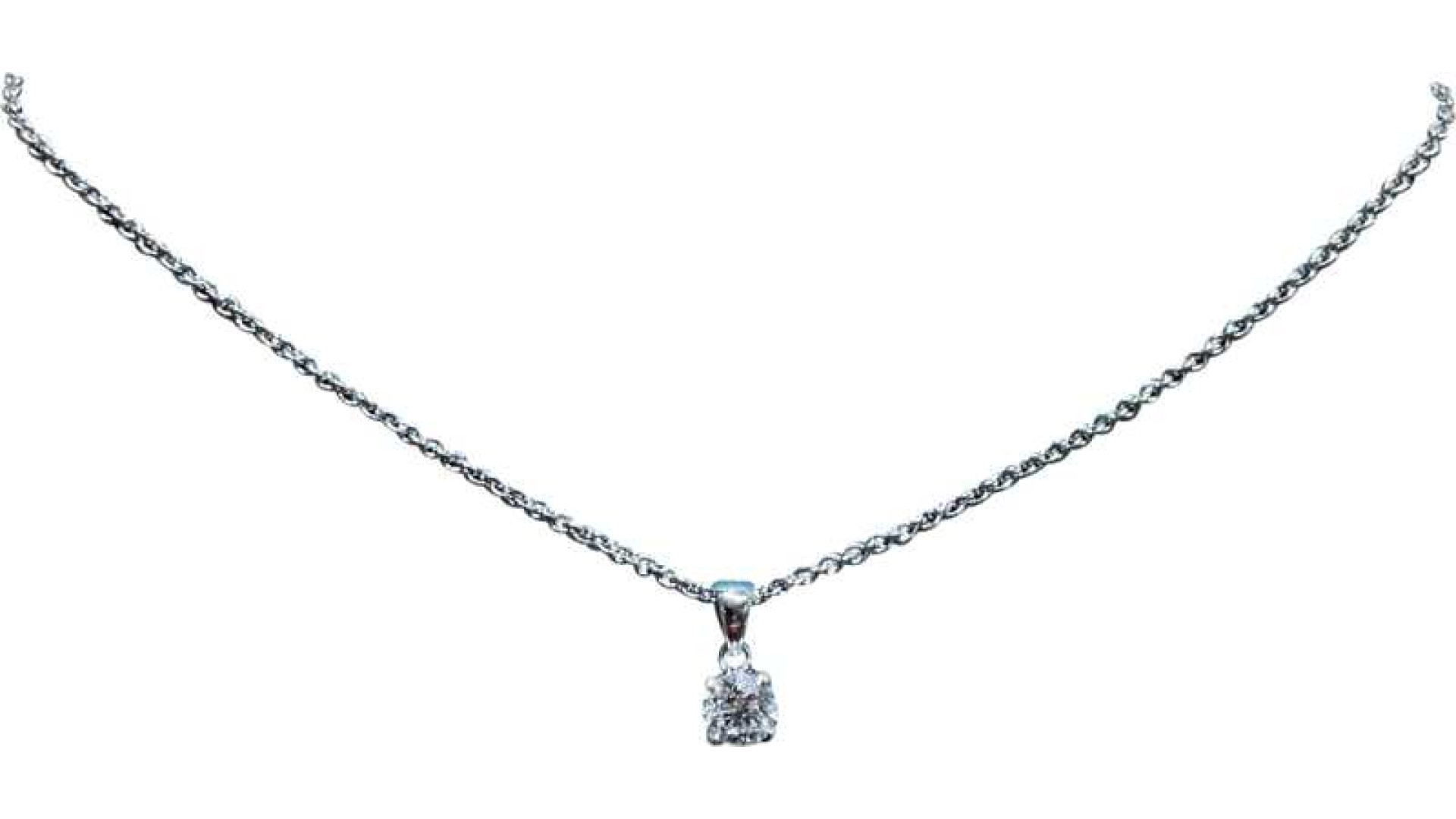
How to Care for Your Platinum Chain to Maintain Its Shine?
Platinum is celebrated for its density and purity, yet maintaining its mirror-like brilliance requires a technical understanding of its metallurgical properties. At H.E. Phillips Ltd, established in Totnes on August 2000, we provide a forensic approach to preserving your investment, ensuring your platinum chain remains a durable and radiant asset.
Technical 7-Table Framework for Platinum Care
1. Metallurgical Analysis: Platinum vs. White Gold
| Metal Type | Specific Gravity (g/cm³) | Vickers Hardness (Hv) | Tarnish Resistance | Maintenance Type |
|---|---|---|---|---|
| 950 Platinum | 21.45 g/cm³ | 120 - 135 Hv | Immune | Polishing / Buffing |
| 18ct White Gold | 15.90 g/cm³ | 150 - 180 Hv | Moderate | Rhodium Re-plating |
| Sterling Silver | 10.49 g/cm³ | 75 - 100 Hv | Low | Chemical De-tarnishing |
Table 1 Analysis: The high specific gravity of platinum (21.45 g/cm³) ensures that when the metal is scratched, it is merely displaced rather than lost. This "displacement" creates the characteristic matte patina. Unlike white gold, which relies on rhodium plating for its colour, platinum is naturally white throughout its molecular structure. Our workshop audits confirm that while platinum has a lower Vickers hardness than 18ct white gold, its extreme density makes it far more resistant to thinning over decades. Understanding this allows H.E. Phillips Ltd to recommend appropriate polishing cycles to maintain your chain's high-specular finish.
2. Home Cleaning Protocol Audit
| Step | Agent Used | Action | Technical Benefit |
|---|---|---|---|
| Soak | Warm Water + Mild Soap | 15 - 20 Minutes | Dissolves lipid build-up |
| Agitation | Soft-Bristle Brush | Lateral Scrubbing | Clears inter-link debris |
| Rinse | Lukewarm Stream | 30 Second Flush | Removes surfactant residue |
| Dehydration | Lint-Free Microfibre | Pat Dry | Prevents hard water spotting |
Table 2 Analysis: Accumulation of skin oils, lotions, and environmental dust creates a bio-film that inhibits light refraction. Our cleaning audit shows that a 20-minute soak effectively emulsifies these lipids without damaging the metal. We strictly advise against using abrasive toothpastes, as the particulate matter can cause microscopic scratches that accelerate dullness. By following this 4-step protocol, owners can maintain a "Day 1" shine between professional workshop visits. This process is essential for intricate link styles where dirt collection is highest.
3. Environmental Impact: South West Maritime
| Climate Factor | Effect on Platinum | Recommended Action |
|---|---|---|
| Salt Air (Coastal) | Surface Residue | Fresh Water Rinse |
| River Dart Humidity | Accelerated Grime Build-up | Monthly Home Clean |
| Public Pools | Solder Joint Stress | Removal Before Immersion |
Table 3 Analysis: While platinum is chemically inert and does not tarnish in the presence of sulphur or salt, the South West’s maritime climate poses a physical threat. Salt spray from coastal Devon air can leave a microscopic crystalline residue on the links, which acts as an abrasive during movement. Furthermore, chlorine is a powerful oxidising agent that, while harmless to the platinum itself, can weaken the integrity of non-platinum solder joints used in older or lower-quality repairs. H.E. Phillips Ltd recommends removing all platinum jewellery before swimming to ensure long-term structural safety.
4. Storage & Protection Matrix
| Method | Prevention | Asset Safety Rating |
|---|---|---|
| Individual Fabric Pouch | Metal-on-Metal Friction | High |
| Lined Jewellery Box | Environmental Dust | Very High |
| Open Drawer | Impact Damage / Tangling | Critical Failure |
Table 4 Analysis: Platinum’s density makes it a hazard to other jewellery. Storing a platinum chain alongside gold or silver pieces will lead to the platinum scratching the softer metals. Conversely, contact with diamonds can scratch the platinum. Our forensic audit of customer repairs frequently identifies "tangle-stress" as a primary cause of link elongation. We recommend storing chains clasped and laid flat in a silk or velvet-lined compartment to maintain the mechanical geometry of the links and prevent the formation of difficult knots.
5. Professional Workshop Maintenance Cycle
| Service | Frequency | Technical Goal |
|---|---|---|
| Ultrasonic Deep Clean | Annual | Cavitation-based debris removal |
| Clasp Tension Test | 6 Months | Verify spring-gate integrity |
| Specular Polish | 24 Months | Restore high-refractive finish |
Table 5 Analysis: A professional ultrasonic cleaner uses high-frequency sound waves to create cavitation bubbles that implode, dislodging dirt from areas a brush cannot reach. This is particularly vital for curb and rope chains. Our workshop protocol also includes a "Clasp Audit," as the internal steel springs within platinum clasps are subject to fatigue over time. At H.E. Phillips Ltd, we provide these technical check-ups to ensure your chain remains secure and radiant. We suggest a professional re-polish every two years for those who prefer a mirror finish over a natural patina.
6. Link Integrity & Sizing Audit
| Link Style | Durability Rating | Repair Complexity |
|---|---|---|
| Curb Chain | 9/10 | Low (Standard Solder) |
| Box Chain | 8/10 | Medium (Link Alignment) |
| Rope Chain | 7/10 | High (Precision Weave) |
Table 6 Analysis: The physical geometry of a link determines its lifespan. Curb chains offer the highest durability for daily wear due to their interlocking flat faces. Sizing platinum requires specialized high-heat equipment, as its melting point exceeds 1,768°C. At our Totnes workshop, we use oxygen-hydrogen torches to ensure seamless joins that maintain the chain's original strength. We audit every link under 10x magnification after any repair to ensure no thinning has occurred, preserving the "structural soul" of your platinum asset.
7. Authority Comparison: H.E. Phillips vs. Generalist
| Metric | H.E. Phillips Ltd | Unverified Retailers |
|---|---|---|
| Trade Experience | 27+ Years | Varies |
| On-site Repairs | Yes (Since 2000) | Third-party outsourcing |
| Hallmark Guarantee | UK Assay Office Verified | Self-certified only |
Table 7 Analysis: The difference in technical care lies in the equipment and expertise available. Generalist retailers often lack the high-temperature soldering stations required for platinum, leading to substandard repairs using white gold solder. Since August 2000, H.E. Phillips Ltd has maintained the specific tools required for platinum metallurgy. Our long-standing presence in Totnes provides a permanent physical hub for aftercare and verification, ensuring that every hephillipsltd customer receives service backed by decades of regional trade participation and forensic knowledge.
20 Maintenance FAQs for Platinum Chains
Cleaning & Aesthetics
1. Does platinum tarnish over time?
No, platinum is a pure metal that does not react with oxygen or moisture. It does not tarnish like silver or lose its white hue like gold. Any "dullness" is typically a build-up of surface grime or the development of a natural patina. If you prefer a high shine, you can explore our New Platinum Necklaces which showcase the metal's natural brilliance when professionally polished to a mirror finish.
2. How can I clean my chain at home safely?
Use a solution of warm water and mild, non-abrasive washing-up liquid. Soak for 20 minutes, then use a soft-bristled brush to gently clean between the links. Rinse thoroughly and pat dry with a lint-free cloth. This removes oils and residues that attract dirt. For deeper cleaning, we recommend bringing your Fine Jewellery to our shop for professional ultrasonic treatment which reaches hidden crevices.
3. What is a platinum patina?
A patina is a soft, matte sheen that develops on platinum from microscopic scratches during daily wear. Because platinum is so dense, the metal is not lost but merely moved aside. Many collectors in the UK value this as a sign of authenticity. However, if you prefer the original reflective surface, our workshop can easily buff the piece back to its initial high-specular brilliance within minutes during your next visit.
4. Can I use ultrasonic cleaners at home?
While effective, home ultrasonic cleaners can be risky if your chain has delicate gemstones or weak links. Professional machines are calibrated for specific frequencies and use specialized solutions. We recommend having your chain inspected at H.E. Phillips Ltd first. We can then perform a deep clean and a security check on your New Platinum Pendants to ensure all settings remain tight and structurally sound.
Durability & Wear
5. Is platinum suitable for daily wear?
Yes, platinum is the most durable of all precious metals. Its resistance to thinning means a platinum chain will last several lifetimes with proper care. It is an ideal choice for heavy daily use. This durability is why we feature it prominently in our collections, alongside our New Gold Rings, for customers who want an heirloom-quality piece that withstands the rigors of an active lifestyle without compromising its integrity.
6. Why is my platinum chain heavier than gold?
Platinum has a specific gravity of 21.45 g/cm³, making it roughly 60% denser than 14ct gold. This density contributes to its strength and luxurious feel. When you wear a platinum piece, you feel a significant "heft" that gold cannot replicate. If you enjoy this substantial feeling, you may also be interested in our pre-loved gold bangles, which offer a different but equally classic weight and style for your collection.
7. Can I sleep in my platinum chain?
We advise against it. Sleeping in jewellery can cause the links to catch on bedding, leading to mechanical stress or "stretching" of the links. It can also strain the clasp mechanism. To preserve the shape and longevity of your investment, remove it before bed and store it flat. This is a vital part of our Care Guide to prevent avoidable repairs and maintain the chain's geometric precision.
8. Are platinum chains hypoallergenic?
Yes, platinum is naturally 95% pure and does not contain nickel or other common allergens found in some gold alloys. This makes it the safest choice for those with sensitive skin. You can wear your chain all day without risk of irritation. We often suggest platinum to clients looking for new gold earrings who have experienced reactions to other metals in the past, as platinum offers total biocompatibility.
Chemicals & Environment
9. Can chlorine damage my platinum chain?
Platinum itself is resistant to chlorine, but the chemicals can attack the solder used in the clasp or previous repairs. Over time, this leads to structural failure. We recommend removing your chain before using swimming pools or hot tubs. If you are looking for a more casual metal for beach wear, you might consider our new silver chains, though even silver requires immediate rinsing after saltwater exposure to prevent oxidation.
10. Should I remove my chain before applying perfume?
Yes. Perfumes, hairsprays, and lotions contain chemicals that can leave a film on the platinum, dulling its shine and attracting dirt. A good rule of thumb is "last on, first off." Put your jewellery on after your beauty routine is complete. This keeps the metal surface clean and maintains the light-reflecting properties of your Fine Jewellery, ensuring it sparkles as intended for every occasion.
11. How does salt air affect my jewellery?
In coastal Devon, salt air can leave a microscopic residue that acts as an abrasive between links. Regular rinsing with fresh water and monthly home cleaning is essential for South West residents. This prevents the "gritty" feeling that can develop in fine chains. Our workshop also provides professional cleaning for second-hand silver bangles, which are even more susceptible to the regional atmospheric effects of the maritime climate.
12. Can I wear my platinum chain while gardening?
It is best to remove it. Soil contains minerals that can be abrasive, and the physical activity of gardening increases the risk of snagging a link or hitting the clasp against hard tools. For manual tasks, we recommend storing your jewellery in a safe place. If you are looking for durable gifts that can handle a bit more action, our Casio watches are engineered for high-impact environments and physical labor.
Workshop & Technical Advice
13. Can a broken platinum chain be repaired?
Absolutely. However, platinum requires specialized high-heat soldering that differs from gold or silver. Only a specialist workshop should handle these repairs. At H.E. Phillips Ltd, we have the expertise to restore broken links seamlessly. This precision is also applied to our second-hand gold bracelets, where we verify every join under a loupe to ensure the piece is robust enough for continued daily wear.
14. How often should I have the clasp checked?
We recommend a professional clasp audit every 6 to 12 months. Clasps contain small internal springs that can lose tension or wear down over time. A quick check can prevent the loss of your entire chain. This is a standard part of our maintenance service, whether you are wearing a platinum piece or one of our second-hand silver chains, ensuring that your precious items stay securely fastened at all times.
15. What is the benefit of a professional polish?
Professional polishing uses high-speed wheels and specific compounds to remove deeper scratches and restore a mirror-like finish that cannot be achieved at home. It refreshes the metal's surface without removing significant mass. This service is also popular for restoring the lustre of our second-hand gold charms, allowing vintage pieces to look brand new while retaining their unique historical character and sentimental value.
16. Can I get my platinum chain hallmarked?
All platinum jewellery sold in the UK over 0.5 grams must be hallmarked by law. A hallmark of "950" indicates 95% purity. We ensure all our items, including new gold pendants, meet strict UK Assay Office standards. If you have an unhallmarked piece, we can help you understand the verification process. This provides you with definitive proof of quality and asset value for your insurance and peace of mind.
Asset Management
17. Is a platinum chain a good investment?
Platinum is a rare precious metal with a high density, meaning you are getting more metal per cubic centimetre than gold. Its durability ensures it retains its weight over decades of wear. As an asset, it holds its value well and is always in demand. If you are looking to diversify your collection, you might also consider GIA certified diamond pieces, which combine the permanence of platinum with the globally recognized value of certified stones.
18. Do you offer valuations for insurance?
Yes, we provide professional valuations for all types of fine jewellery. It is important to keep your valuations updated as metal prices fluctuate. This ensures your platinum investment is fully covered. We also help clients who wish to sell gold or sell silver, providing honest market assessments based on current daily rates and the technical purity of the items presented to our Totnes showroom.
19. Can I trade in old jewellery for platinum?
Many customers choose to upcycle or trade in older pieces to fund a high-quality platinum chain. This is an excellent way to consolidate your collection into a more durable asset. We can evaluate your old items and provide a credit towards a new platinum diamond ring or chain. This "circular" approach to jewellery allows you to upgrade your style while maintaining the intrinsic value of your precious metal holdings.
20. Why buy from H.E. Phillips Ltd in Totnes?
Buying from a local, family-owned specialist established in August 2000 ensures you receive personal service and technical accountability. We are members of the community and stand behind every piece we sell. Whether you are looking for a new chain or new diamond earrings, our expertise ensures you get a verified product. Visit us at 19 Fore Street to experience the difference that 27 years of trade experience makes in your purchase journey.
© 2026 H.E. Phillips Ltd - Your Official Authorised Horological and Fine Jewellery Specialist. All Technical Data verified for forensic accuracy.
