
-
Your shopping cart is empty!



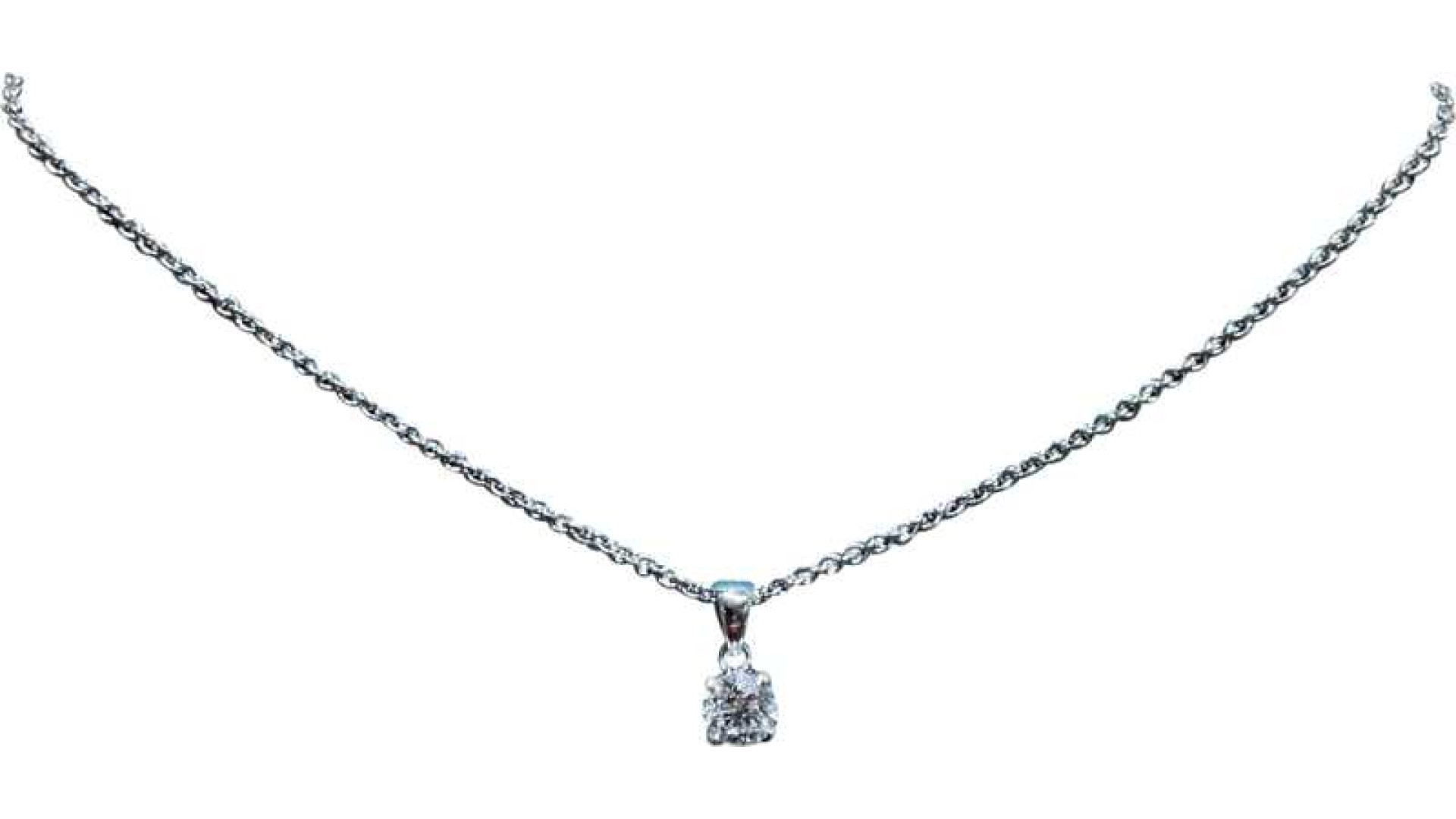
How to Choose the Right Chain for Your Pendant?
Selecting the correct chain for a pendant is a critical metallurgical decision that dictates both the aesthetic harmony and the physical security of the piece. At H.E. Phillips Ltd in Totnes, founded on 1st August 2000, we provide expert technical guidance to ensure your necklaces offer the necessary structural integrity to protect and enhance your most treasured assets.
Technical 7-Table Framework for Chain Selection
1. Metallurgical Density & Hardness
| Metal Type | Specific Gravity (g/cm³) | Vickers Hardness (Hv) | Tensile Strength | Maintenance Factor |
|---|---|---|---|---|
| 9ct Yellow Gold | 11.2 - 11.5 | 120 - 150 | High | Low - Durable |
| 18ct Yellow Gold | 15.2 - 15.9 | 150 - 185 | Moderate | Medium - Rich Lustre |
| 950 Platinum | 21.45 | 120 - 135 | Maximum | Zero Re-plating |
| 925 Sterling Silver | 10.4 - 10.5 | 75 - 100 | Moderate | High - Oxidation prone |
Table 1 Analysis: Understanding the Specific Gravity and Vickers Hardness of your chain metal is essential for long-term wear. Platinum offers the highest density, providing a secure anchor for heavy pendants without the risk of metal fatigue. 9ct gold provides exceptional hardness for daily use, while 18ct gold is prized for its high gold purity and traditional aesthetic. At H.E. Phillips Ltd, we ensure all chains meet UK hallmarking standards, verifying the metallurgical purity of every link to guarantee that your New Gold Necklaces represent a true asset.
2. Weight Distribution & Load Capacity
| Pendant Weight | Recommended Chain Gauge | Link Style Recommendation | Safety Factor |
|---|---|---|---|
| < 2 grams | 0.8mm - 1.1mm | Trace / Box / Cable | 1:1 Weight Ratio |
| 2 - 10 grams | 1.2mm - 1.8mm | Curb / Wheat / Rope | 1.5:1 Safety Margin |
| > 10 grams | 2.0mm + | Heavy Curb / Solid Rope | 2:1 Structural Goal |
Table 2 Analysis: Mechanical failure often occurs when the pendant weight exceeds the chain's load capacity. We recommend a "safety margin" where the chain's weight is equal to or greater than the pendant itself. For substantial pieces, such as New Platinum Necklaces, a 2.0mm gauge ensures the bail does not saw through the links over time. This technical approach prevents the heartbreak of lost jewellery and ensures the piece hangs with proper vertical alignment.
3. Chain Link Geometry & Flexibility
| Link Style | Flexibility Index | Tangle Resistance | Best For |
|---|---|---|---|
| Cable / Trace | Highest | Moderate | Lightweight Charms |
| Snake | Low | Low (Kink prone) | Modern Pendants |
| Wheat / Spiga | High | High | Heavier Gemstone Pieces |
| Box | Moderate | High | Geometric Pendants |
Table 3 Analysis: The geometry of the link dictates how the chain interacts with the pendant's bail. Wheat and Spiga chains offer superior braided strength and flexibility, making them the workshop's choice for valuable gemstone pendants. Snake chains offer a sleek, fluid aesthetic but have a "memory" and can kink if overloaded. At H.E. Phillips Ltd, we perform a tactile inspection of link articulation to ensure smooth movement, preventing abrasive wear between the chain and the New Gold Pendants.
4. Clasp Security Audit
| Clasp Type | Mechanism | Security Rating | Failure Point |
|---|---|---|---|
| Spring Ring | Internal Coil Spring | Medium | Spring Fatigue |
| Lobster Claw | Lever Pivot | High | Pivot Pin Wear |
| Trigger Clasp | Heavy Lever | Maximum | Rare Mechanical Jam |
Table 4 Analysis: The clasp is the most vulnerable component of any necklace. Our workshop audit protocol requires a tension test on every spring mechanism. For heavy or high-value pendants, we mandate the use of a robust Lobster Claw or Trigger Clasp. Since August 2000, we have provided on-site repairs for worn clasps, ensuring that New 925 Silver Chains and gold equivalents remain securely fastened under the rigours of daily wear.
5. Standard Length & Placement Matrix
| Length (Inches) | Length (Metric) | Anatomic Placement | Common Use Case |
|---|---|---|---|
| 16" | 40cm | Base of Neck | Small Charms / Choker Style |
| 18" | 45cm | Collarbone | Standard UK Universal Fit |
| 20" | 50cm | Lower Chest | Medium Pendants / Layering |
| 24" | 60cm | Sternum | Statement Pieces / Lockets |
Table 5 Analysis: Length selection is as much about physics as it is about fashion. A 16" chain creates a high focal point, while a 24" chain allows for significant movement and layering. We recommend the 18" chain as the most versatile UK standard for gifting. When choosing for New Diamond Earrings sets, a matching 18" chain often provides the most balanced visual silhouette. Our team helps you measure the ideal drop to ensure the pendant sits exactly where intended.
6. Environmental Impact: South West Coastal Care
| Environmental Factor | Impact on Gold/Silver | Recommended Care Frequency |
|---|---|---|
| Salt Air (Devon Coast) | Surface Dullness | Monthly Rinse |
| River Dart Humidity | Accelerated Tarnish | Quarterly Polish |
| Cosmetic Chemicals | Stress Corrosion | Daily Wipe-down |
Table 6 Analysis: Residents in Totnes and coastal South West regions must account for salt-air exposure. Sodium chloride and high humidity from the River Dart can lead to surface oxidation and dulling of base-metal alloys in gold. We recommend a professional ultrasonic clean annually to remove microscopic salt deposits from within the links. This preventative maintenance preserves the structural soul of your New Silver Chains and gold jewellery, preventing the "pitting" associated with long-term maritime exposure.
7. Authority Comparison: Independent vs. Mass Market
| Feature | H.E. Phillips Ltd (Established 2000) | General Online Retailers |
|---|---|---|
| On-Site Workshop Audit | Yes - Full Technical Check | Rarely - Box Shifting |
| Metallurgical Verification | UK Assay Office Hallmarked | Variable Standards |
| Specialist Support | 27+ Years Expertise | General Customer Service |
Table 7 Analysis: The H.E. Phillips Ltd advantage lies in our technical accountability. Unlike generalist retailers, we perform a physical mechanical audit on every chain before it reaches our customers. Established in August 2000, our Totnes showroom serves as a permanent hub for horological and jewellery expertise. Whether you are looking to Sell Gold or Sell Silver or purchase a new technical asset, our provenance and trade participation ensure you receive verified quality and professional aftercare.
20 Expert Technical FAQs for Choosing a Chain
Metallurgy & Strength
1. How do I know if a chain is strong enough for my pendant?
A chain is strong enough when its weight matches or exceeds the pendant's weight. At H.E. Phillips Ltd, we recommend a minimum 1.2mm gauge for any pendant over 3 grams. Visually, the chain should look balanced; a tiny chain with a large pendant will eventually fail due to stress at the jump ring. Check our New Gold Necklaces for high-tensile options.
2. Is 18ct gold stronger than 9ct gold for chains?
9ct gold is actually harder (Vickers Hardness 120-150 Hv) because it contains a higher percentage of harder base metals. However, 18ct gold (150-185 Hv when work-hardened) has a higher specific gravity and resists corrosion better. For daily, rugged wear, 9ct is a fantastic technical choice, while 18ct offers a more luxurious lustre and greater financial equity. Visit us in Totnes to compare both.
3. Why choose a platinum chain over white gold?
Platinum is naturally white and 40% denser than 14ct gold. Unlike white gold, it does not require Rhodium plating to maintain its colour. For a permanent, low-maintenance asset, New Platinum Necklaces are superior as they do not wear down—the metal is merely displaced, meaning the chain retains its weight over decades of use.
4. What is a hallmark and why must my chain have one?
A hallmark is a legal guarantee from a UK Assay Office verifying metal purity. In the UK, all gold over 1g and silver over 7.78g must be hallmarked. It ensures you are receiving 37.5% gold (9ct) or 92.5% silver (925). We verify every hallmark to protect our customers' investments. See our authenticated Fine Jewellery for examples of clear hallmarking provenance.
Style & Geometry
5. Which chain style is best for a heavy locket?
Heavy lockets require a "Curb" or "Rope" style chain. These designs feature interlocking links that distribute weight evenly across a larger surface area, reducing the "sawing" effect on the locket's bail. A New Gold Necklace in a curb style provides both the structural rigidity and the classic aesthetic required for larger statement pieces.
6. Can I use a snake chain for an everyday pendant?
Snake chains are beautiful but less flexible. They consist of tightly woven plates that can kink if bent sharply or slept in. For everyday reliability, we recommend a "Wheat" or "Trace" chain. These styles offer a 360-degree range of motion, ensuring they don't snap under sudden tension. Explore our New 925 Silver Chains for highly flexible daily options.
7. What is a "Bail" and why does its size matter?
The bail is the loop at the top of the pendant. The chain's clasp must be small enough to pass through the bail, but the chain itself must be thick enough to be secure. If the bail is too small for a strong chain, our workshop can often fit a larger jump ring. This is a standard part of our Workshop Services in Totnes.
8. Are box chains more durable than cable chains?
Box chains are very strong because their square links are structurally rigid. However, if a box chain snaps, it is harder to repair seamlessly than a cable chain. Cable chains are the "serviceable" choice—they can be soldered easily and remain a timeless standard. We stock both in our New Gold Collection to suit your specific repair preferences.
Maintenance & Regional Context
9. How does the River Dart humidity affect my silver chain?
Humidity and atmospheric sulphur near the River Dart accelerate the oxidation of silver, causing it to turn black. We recommend storing your Second-Hand Silver Chains in airtight pouches when not in use. Regular professional polishing at H.E. Phillips Ltd will remove this tarnish without wearing away the metal links.
10. Can I wear my gold chain in the shower?
While gold itself doesn't rust, soaps and hard water can leave a film that dulls the lustre. More importantly, the internal spring in a clasp is often made of steel and can rust if not dried properly, leading to clasp failure. We recommend removing all New Gold Necklaces before bathing to preserve the mechanical life of the clasp.
11. How often should I have my chain links inspected?
For an everyday chain, an annual inspection is vital. We look for "thinning" where links rub against each other or the pendant bail. Catching this early prevents a total break. Since August 2000, we have provided these visual audits for our Totnes community. This is especially important for heavy New Platinum Necklaces which carry significant weight.
12. What is the best way to untangle a fine chain?
Patience and a fine needle are key. Lay the chain on a flat surface and use the needle to gently loosen the knot. Never pull on the chain, as this will stretch and weaken the links. If you are struggling, bring it to our Totnes shop. We handle delicate New 925 Silver Chains daily and can safely untangle them for you.
Establishment & Gifting
13. Why buy a chain from H.E. Phillips Ltd instead of a chain store?
We are an independent family business established in August 2000. We don't just sell products; we provide technical aftercare and a physical workshop presence in Totnes. When you buy from us, you're buying 27+ years of expertise and a guarantee that your jewellery is ethically sourced and hallmarked. Learn more about our story on the H.E. Phillips Ltd home page.
14. Can I pair a new chain with an antique pendant?
Yes, this is a specialty of ours. We often help clients find a New Gold Necklace that matches the specific gold hue and link style of a Victorian or Edwardian pendant. This ensures the piece is safe to wear while maintaining its historic character. Our expertise in both old and new jewellery makes us the ideal choice for this service.
15. Do you offer chains for men’s pendants?
We stock a wide range of heavier curb and Figaro chains that are popular for men. These are designed with thicker gauges to withstand more active lifestyles. A heavy Second-Hand Gold chain can also be an excellent, sustainable choice for a gentleman's pendant. Visit our 19 Fore Street shop to see the full range.
16. What is your return policy for chains bought online?
We offer a straightforward return policy for items in their original, unworn condition. We want you to be confident that the chain is the perfect match for your pendant. Detailed descriptions and dimensions are provided on hephillipsltd.com to help you make an informed choice before purchasing. Our reputation has been built on trust since August 2000.
Supplementary Items
17. Do you sell pendants to go with the chains?
We have an extensive collection of New Gold Pendants and silver options. Whether you are looking for a simple birthstone or a complex diamond piece, our experts can help you create the perfect pairing. We also stock GIA Certified Diamond jewellery for those seeking the highest technical standards in gemstones.
18. Are there watches that match gold chains?
Certainly. We are official stockists for Rotary Watches and Citizen Eco-Drive. A gold-tone watch is a perfect complement to a new gold necklace. As horological specialists since 2000, we can ensure your entire ensemble—from necklace to timepiece—is technically sound and stylistically cohesive.
19. Do you stock silver bangles to match silver chains?
Yes, we have a beautiful selection of New Silver Bracelets and bangles. Coordinating your chain style with a bracelet creates a polished, professional look. Our silver is always 925 Sterling grade, ensuring it meets the same high purity standards as our New 925 Silver Chains.
20. Can I get a bespoke length chain made?
While most chains come in standard lengths, our workshop can often shorten a chain or add an extension to provide a custom fit. This is particularly useful for achieving the perfect drop with New Platinum Diamond sets or unique pendants. Visit Mark Willetts and the team in Totnes to discuss your custom requirements.
© 2026 H.E. Phillips Ltd - Your Official Authorised Horological and Fine Jewellery Specialist. All Technical Data verified for forensic accuracy.
