
-
Your shopping cart is empty!



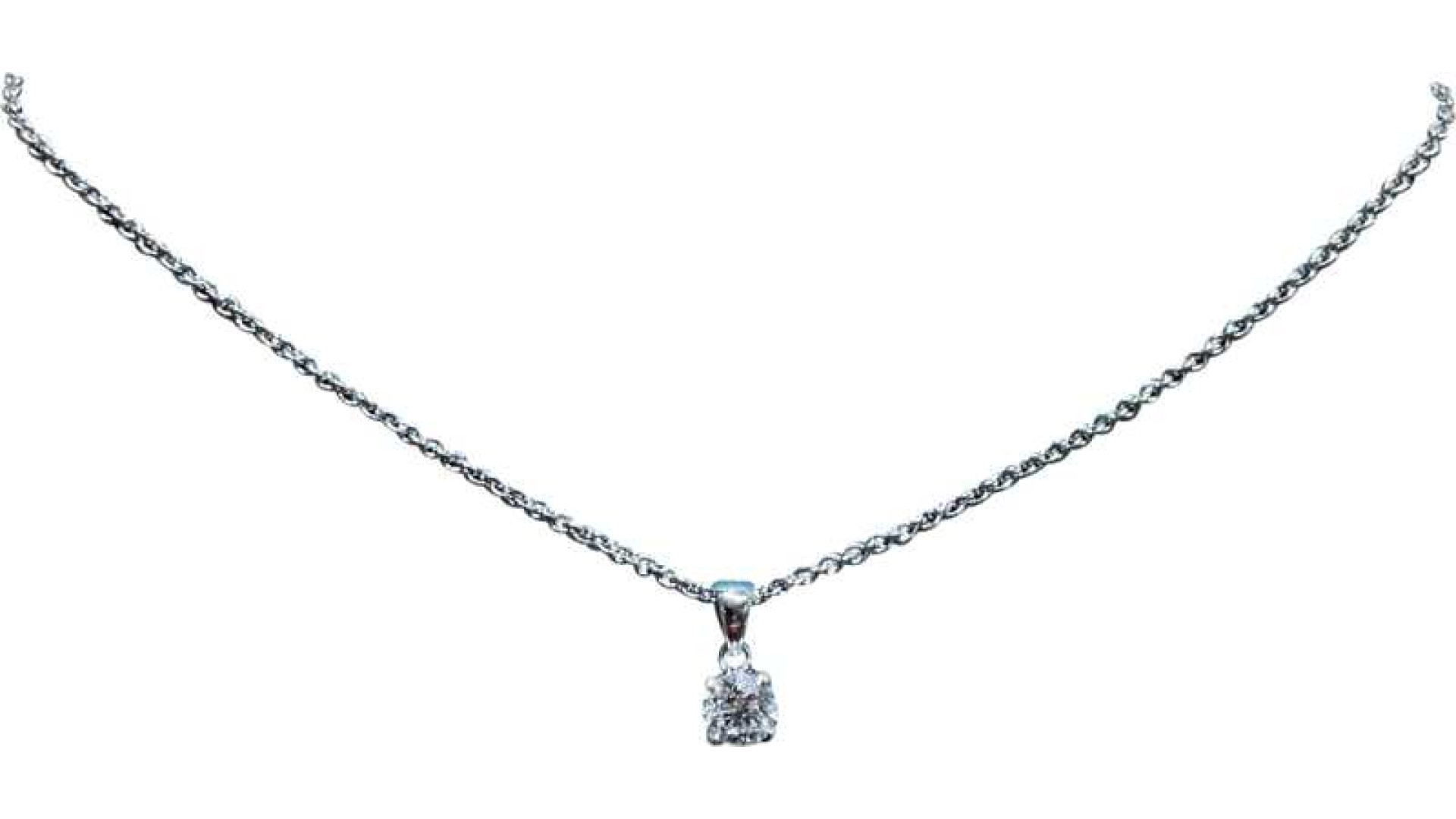
Is Platinum Jewellery a Good Investment for You?
Investing in platinum jewellery represents a convergence of metallurgical rarity and long-term asset stability. While gold often dominates the financial conversation, platinum's unique physical properties—density, purity, and natural whiteness—offer a distinct value proposition for collectors in the UK. At H.E. Phillips Ltd, established in August 2000, we provide a forensic analysis to help you determine if this rare precious metal aligns with your investment goals.
Technical 7-Table Framework for Platinum Investment
1. Metallurgical Density & Purity Standards
| Metal Type | Standard Purity | Specific Gravity (g/cm³) | Vickers Hardness (Hv) | Natural Colour |
|---|---|---|---|---|
| Platinum (Pt 950) | 95.0% | 21.45 g/cm³ | 120 – 130 Hv | Naturally White |
| 18ct White Gold | 75.0% | 14.7 – 16.3 g/cm³ | 150 – 185 Hv | Yellow-White (Plated) |
| 950 Palladium | 95.0% | 12.02 g/cm³ | 100 – 110 Hv | Naturally White |
Table 1 Analysis: The investment value of platinum is deeply rooted in its Specific Gravity (21.45 g/cm³), making it significantly denser than gold. This density ensures that a platinum piece feels substantial and possesses a higher volume of precious metal per square centimetre. Unlike white gold, which requires rhodium plating, platinum's 950 purity ensures it remains naturally white. At H.E. Phillips Ltd, we audit all platinum jewellery to verify the Pt 950 hallmark, ensuring the asset meets UK Assay Office requirements for metallurgical integrity and long-term value retention.
2. Wearable Asset Durability Audit
| Condition Factor | Platinum Reaction | Gold Reaction | Investment Impact |
|---|---|---|---|
| Surface Scratching | Metal Displacement (Patina) | Metal Loss (Erosion) | Weight Retention |
| Corrosion Resistance | Maximum Stability | High Stability | Zero Tarnish Value |
| Prong/Setting Security | High Tenacity (Secure) | Moderate (Wearable) | Stone Preservation |
Table 2 Analysis: From a technical perspective, platinum jewellery is a superior "wearable investment" because of how it reacts to surface friction. When platinum is scratched, the metal is merely displaced, forming a "patina," rather than being lost to erosion like gold. This means the original weight of the piece—and therefore its intrinsic metal value—remains virtually constant over decades of wear. This physical tenacity makes platinum the ideal choice for holding high-value gemstones, such as a GIA certified diamond, providing maximum security for the total asset.
3. Scarcity & Market Supply Matrix
| Metal | Annual Production (Est) | Extraction Difficulty | Rarity Factor |
|---|---|---|---|
| Platinum | ~190 Tonnes | High (10 tons ore for 1oz) | 30x Rarer than Gold |
| Gold | ~3,300 Tonnes | Moderate | Primary Reserve Metal |
Table 3 Analysis: Investment logic dictates that scarcity drives long-term value. Platinum is approximately 30 times rarer than gold, with annual global production representing a fraction of gold's output. The extraction process for platinum is significantly more intensive, requiring vast amounts of ore to produce a single ounce. At H.E. Phillips Ltd, we emphasize this intrinsic rarity to our clients. While market prices fluctuate, the fundamental supply-side constraints of platinum provide a technical "floor" to its value as a finite precious metal asset.
4. Regional Environmental Impact: South West Maritime
| Environmental Factor | Impact on Platinum | Maintenance Requirement |
|---|---|---|
| Salt Air (Coastal Devon) | None (Inert) | Rinse Surface Oils |
| River Dart Humidity | None (Non-reactive) | Ultrasonic Clean |
| Chemical (Chlorine/Perfume) | High Resistance | Annual Workshop Check |
Table 4 Analysis: In the maritime environment of Totnes and the surrounding Devon coast, platinum excels as a resilient asset. Unlike silver or lower-karat gold alloys which can react to salt air and humidity, platinum is almost entirely inert. It does not tarnish or oxidise when exposed to the River Dart's unique microclimate. For local investors, this means lower maintenance costs and a consistent aesthetic finish. We recommend an annual ultrasonic clean at our 19 Fore Street workshop to remove surface debris and maintain the asset's brilliant lustre.
5. Resale Value: Jewellery vs Bullion
| Asset Type | Primary Value Driver | Liquidity Rating | Emotional Dividend |
|---|---|---|---|
| Platinum Jewellery | Metal Weight + Craft | Moderate | High (Wearable) |
| Platinum Bullion | Spot Price Only | High | None |
| Antique/Vintage Pt | Rarity + Provenance | High (Collectors) | Maximum |
Table 5 Analysis: Understanding the "Exit Strategy" is vital for any investment. Platinum jewellery carries a premium for craftsmanship and hallmarking, whereas bullion trades strictly on metal weight. However, jewellery provides an "emotional dividend"—the utility of wearing the asset. At H.E. Phillips Ltd, we also highlight the value of authenticated Victorian or Edwardian platinum pieces, where the rarity of the workmanship can actually cause the item to appreciate beyond its metal value. We offer professional valuations at our Totnes showroom to track these asset values.
6. Hallmarking & Provenance Benchmarks
| Symbol | Meaning | Investment Security |
|---|---|---|
| Orb (Pt Symbol) | Platinum Identification | Legal Guarantee |
| 950 | 95% Purity Fine Mark | Verified Value |
| Maker's Mark | Workshop Origin | Provenance Record |
Table 6 Analysis: In the UK, the hallmark is the investor's primary safeguard. Any platinum piece over 0.5 grams must be hallmarked by law. Our workshop protocol involves a 10x magnification check of the "950" fineness mark and the Assay Office symbol. This forensic verification ensures that when you sell gold or sell silver—or in this case, platinum—the purity is beyond dispute. Since August 2000, H.E. Phillips Ltd has maintained strict adherence to these standards, ensuring every piece in our collection represents a verified metallurgical asset.
7. Authority Comparison: H.E. Phillips vs High Street Chains
| Technical Metric | H.E. Phillips Ltd | National Generalists |
|---|---|---|
| Trade Experience | 25+ Years (Est. 2000) | Varies (Staff rotation) |
| Bespoke Pt Services | Full Workshop Support | Outsourced/None |
| Authentication | On-Site Forensic Audit | Centralised Processing |
Table 7 Analysis: The technical authority of an independent specialist is a critical factor in investment security. While national chains focus on volume, H.E. Phillips Ltd focuses on the metallurgical lifecycle of the piece. Our transition to a limited company in 2023 reflects our stability and commitment to the Totnes community. By purchasing from an authorised specialist with a permanent physical hub at 19 Fore Street, you gain access to decades of expertise in horology and fine jewellery, ensuring your investment is backed by genuine trade knowledge and local accountability.
20 Expert Technical FAQs for Platinum Investment
Metallurgy & Purity
1. What does the '950' hallmark actually mean for value?
The 950 mark signifies that the jewellery is 95% pure platinum. In the UK, this is the legal standard for high-quality platinum. The remaining 5% usually consists of other platinum-group metals like iridium or ruthenium. This high purity level is a key driver of investment value, as it ensures the metal remains hypoallergenic and naturally white without the need for alloys that could dilute its intrinsic worth. At hephillipsltd, we verify every hallmark to guarantee this standard.
2. Is platinum denser than gold?
Yes, platinum has a Specific Gravity of 21.45 g/cm³, whereas 18ct gold ranges between 14.7 and 16.3 g/cm³. This means a platinum ring will be significantly heavier than a gold ring of the identical size. For an investor, this density means more precious metal is packed into the same volume, which is why platinum is often priced at a premium for manufactured jewellery compared to gold items of similar dimensions.
3. Does platinum tarnish in salt water?
Platinum is remarkably inert and does not tarnish, oxidise, or corrode, even when exposed to salt water or River Dart humidity. This makes it an ideal investment for residents in coastal Devon. While we recommend rinsing your new platinum necklaces after sea exposure to remove surface salt, the metal itself will never suffer from the "stress corrosion" often seen in lower-karat gold alloys.
4. Why is platinum more expensive to work with than gold?
Platinum’s high melting point (1,768°C) and extreme tenacity require specialised tools and higher levels of craftsmanship. This "workmanship premium" adds to the initial purchase price of jewellery compared to bullion. However, this same durability ensures that the settings on a new platinum diamond ring remain secure for generations, protecting the secondary investment—the gemstone—more effectively than gold ever could.
Investment Potential
5. Is platinum jewellery better than gold for investment?
Gold is often seen as a more liquid reserve currency, but platinum offers a unique "scarcity play." Because platinum is 30 times rarer, supply disruptions can cause significant price volatility, which may benefit the long-term holder. From a wearable perspective, platinum's ability to retain its original weight due to displacement (rather than erosion) makes it a more stable "physical" asset for those who intend to wear their investment daily.
6. How does 'metal displacement' affect resale value?
When gold is scratched, microscopic amounts of metal are lost. Over 50 years, a gold wedding band can lose significant weight. Platinum, however, merely displaces the metal when scratched. This "patina" preserves the original weight of the metal. If you ever choose to sell gold or sell silver and include platinum pieces, you will find that the platinum item has likely maintained its mass much better than gold counterparts.
7. Are antique platinum pieces a good investment?
Yes, especially Victorian and Edwardian pieces. These items combine the intrinsic value of platinum with the historical value of the era. Platinum was only widely used in jewellery from the late 19th century, making early pieces quite rare. At H.E. Phillips Ltd, we use our 25+ years of expertise to audit these pieces for provenance and craftsmanship, which can significantly increase the resale value beyond the simple metal weight.
8. Does the price of platinum follow the price of gold?
Platinum and gold prices are influenced by different market forces. While gold is a hedge against inflation, platinum has heavy industrial demand (e.g., in hydrogen fuel cells). This means platinum can sometimes decouple from gold. For a diversified portfolio, owning both metals—perhaps through new gold rings and platinum pendants—provides a balanced exposure to different precious metal market drivers.
Maintenance & Care
9. How should I clean my platinum jewellery?
We recommend a monthly clean using warm water and mild soap with a soft-bristled brush. This removes the accumulation of oils and River Dart salts that can dull the shine. For a professional restoration, bring your items to our Totnes shop. We offer ultrasonic cleaning and specular micro-polishing that restores the high-lustre finish without removing any metal, which is vital for preserving the investment's physical integrity over time.
10. What is a 'patina' on platinum?
The patina is the natural soft-satin finish that develops on platinum as it is worn. It is essentially a collection of microscopic displacements on the metal's surface. Many collectors value this patina as it proves the piece's history and authenticity. If you prefer the original mirror-like finish, it can be professionally polished at H.E. Phillips Ltd. Crucially, this process does not result in the metal loss associated with polishing gold.
11. Can platinum be resized easily?
Resizing platinum is more complex than resizing gold because it requires high-heat lasers or specialised torches to prevent "seam visibility." Our workshop at 19 Fore Street is equipped to handle these technical requirements. Maintaining a seamless finish during a resize is essential for protecting the structural integrity and resale value of the piece. Always ensure your new platinum diamond ring is resized by a specialist.
12. Is platinum safe for sensitive skin?
Yes, platinum is hypoallergenic due to its high purity (950). Most white gold alloys contain nickel, which can cause skin irritation. For many, the "investment" in platinum is an investment in comfort and health. By choosing a metal that will never cause a reaction, you ensure the piece remains wearable for a lifetime. This hypoallergenic property is a standard feature of our new platinum pendants and rings.
H.E. Phillips Services
13. Do you offer valuations for insurance?
Yes, we provide professional valuations for all platinum jewellery. An up-to-date valuation is essential to ensure your investment is fully protected against loss or theft. Our valuations are based on current market spot prices and the quality of craftsmanship. As a trusted Totnes establishment since 2000, our valuation documents are widely accepted by UK insurers. Visit us to have your fine jewellery audited and documented.
14. Can I sell my old platinum to H.E. Phillips Ltd?
We are always interested in acquiring high-quality platinum, gold, and silver. Whether it's modern jewellery or vintage Victorian pieces, we provide a fair and transparent assessment based on current market rates. Our expertise in valuing precious metals ensures you receive an honest price for your asset. If you are looking to sell gold or sell silver, we can also evaluate your platinum items simultaneously.
15. What makes H.E. Phillips a reliable place to buy?
Established on 1st August 2000, we have over 25 years of physical presence in the Totnes community. Our transition to a limited company in 2023 further cements our status as a stable and professional entity. We are authorised stockists for major brands like Citizen Eco-Drive and Rotary, reflecting the high level of trust manufacturers and customers place in our technical expertise.
16. Do you stock other investment-grade brands?
In addition to fine jewellery, we stock high-quality timepieces from Timex, Casio, and Radley. A high-quality watch from an authorised supplier can also be a strong long-term asset. We apply the same forensic standards of inspection to our watches as we do to our new platinum necklaces, ensuring every product we sell meets our high benchmarks for quality.
Advanced Selection
17. Is a GIA certified diamond better in platinum?
Technically, yes. Because platinum is naturally white, it does not cast a yellowish tint into the diamond, allowing the stone's true colour to shine through. Furthermore, the strength of platinum prongs provides the best possible security for a GIA certified diamond. For a serious investment piece, pairing a high-grade stone with a platinum setting is the metallurgical "gold standard" for security and aesthetics.
18. Do you have pre-loved platinum options?
Our collection frequently includes authenticated pre-loved and vintage platinum pieces. Pre-loved items often offer excellent investment value as they avoid some of the initial manufacturing premiums. We audit every pre-loved gold bangle or platinum ring to ensure it meets our strict standards for purity and condition before it enters our showroom.
19. How do I know the watch I buy is genuine?
As an official authorised stockist for brands like Casio and Rotary, we receive all stock directly from the manufacturer. This guarantees 100% authenticity and includes full manufacturer warranties. Buying from an authorised specialist like H.E. Phillips Ltd eliminates the risk of counterfeit products, which is a vital part of protecting your financial investment in luxury goods.
20. What is the first step to investing in platinum?
We recommend visiting our showroom at 19 Fore Street, Totnes. Seeing the metal's natural white lustre and feeling its weight in person is the best way to understand its value. Our team can guide you through our collections of new gold earrings and platinum pieces, helping you select a piece that fits both your aesthetic taste and your long-term financial goals.
© 2026 H.E. Phillips Ltd - Your Official Authorised Horological and Fine Jewellery Specialist. All Technical Data verified for forensic accuracy.
