
-
Your shopping cart is empty!



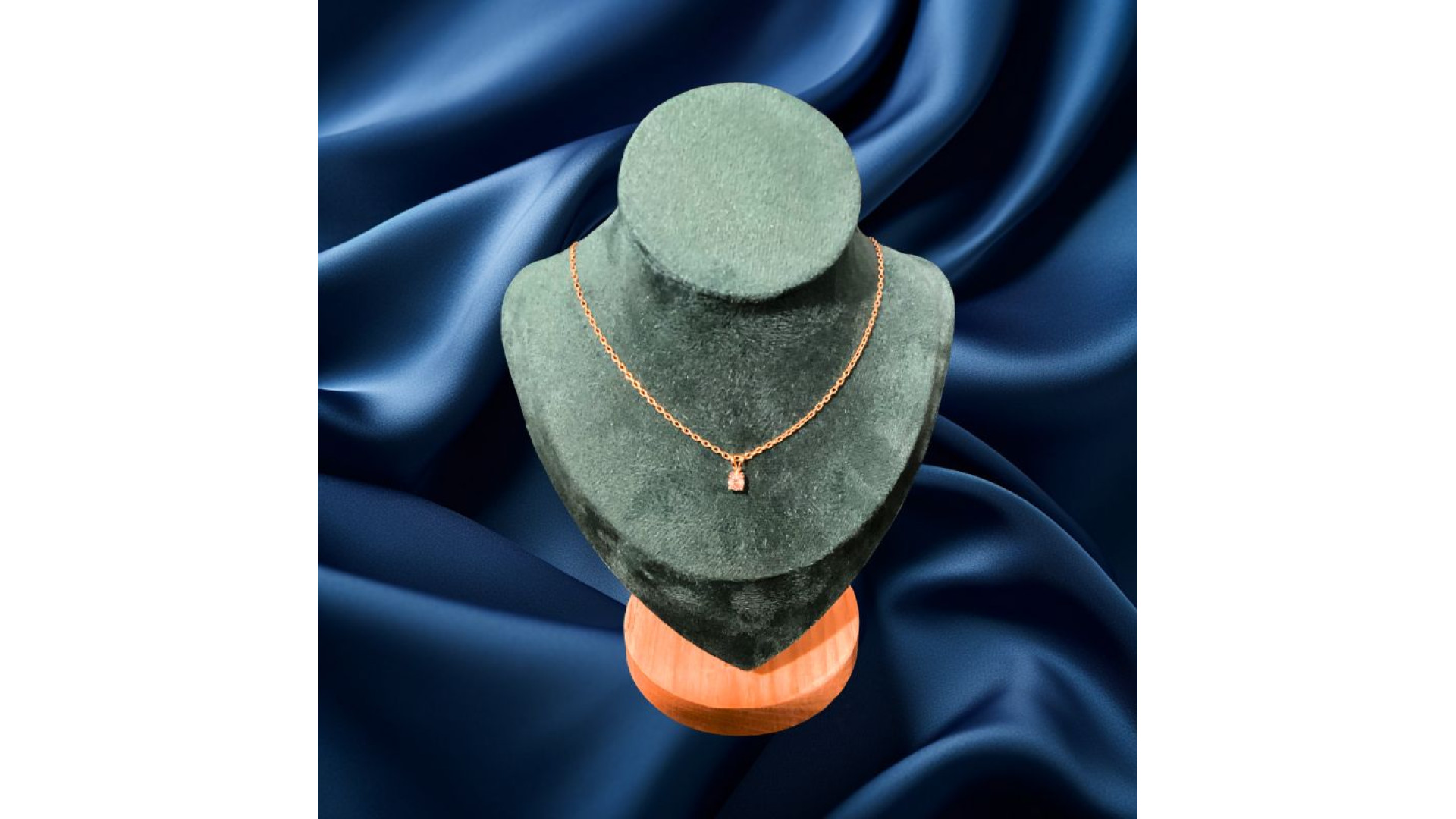
The Luminous Beauty of New White Gold Necklaces
White gold necklaces represent a sophisticated evolution in metallurgy, combining the intrinsic value of pure gold with the contemporary brilliance of rhodium. At H.E. Phillips Ltd, established in Totnes since August 2000, we apply a technical lens to our new white gold necklace designs, ensuring every piece offers verified metallurgical purity and high-specular lustre.
Technical 7-Table Framework for White Gold
1. Metallurgical Composition & Hardness
| Metal Type | Gold Content % | Primary Alloy | Vickers Hardness (Hv) | Specific Gravity (g/cm³) |
|---|---|---|---|---|
| 9ct White Gold | 37.5% | Silver/Palladium | 125 – 155 Hv | 11.2 – 11.6 g/cm³ |
| 18ct White Gold | 75.0% | Palladium/Platinum | 150 – 190 Hv | 15.4 – 15.9 g/cm³ |
| Sterling Silver | 0% | Copper | 75 – 95 Hv | 10.4 – 10.5 g/cm³ |
Table 1 Analysis: Understanding the Vickers Hardness (Hv) is critical for assessing the longevity of white gold necklaces. 18ct white gold, particularly when alloyed with palladium, offers a higher density and superior hardness compared to standard silver or yellow gold. This increased specific gravity provides a luxurious weight on the neckline. At H.E. Phillips Ltd, we verify these metallurgical benchmarks to ensure that our new white gold necklace designs possess the structural integrity required for both aesthetic brilliance and long-term durability, serving as a superior alternative to softer precious metals.
2. Rhodium Plating Integrity Audit
| Plating Factor | Technical Specification | Maintenance Interval | Benefit |
|---|---|---|---|
| Rhodium Thickness | 0.75 to 1.0 Microns | 12 – 36 Months | Mirror-like Brilliance |
| Bonding Method | Electro-Deposition | Annual Inspection | Tarnish Resistance |
| Base Alloy Colour | Pale Straw/Grey | Refresher Required | Uniform Appearance |
Table 2 Analysis: Rhodium, a member of the platinum group, is applied to white gold via electro-deposition to achieve its signature "bright white" finish. Because rhodium is exceptionally hard (Vickers 800 Hv), it acts as a sacrificial barrier against surface abrasions. However, since the plating is measured in microns, it naturally thins with wear. Our workshop protocol recommends a biennial audit for necklaces to assess plating thickness. Maintaining this layer is essential for preserving the luminous beauty of white gold, especially in high-contact areas such as the clasp and chain links.
3. Maritime Environmental Impact (Devon/South West)
| Environmental Factor | Impact on White Gold | Regional Solution |
|---|---|---|
| Salt Air (Coastal Devon) | Surface Dullness | Micro-Specular Polishing |
| River Dart Humidity | Oxidation of Alloys | Airtight Storage Protocol |
| Chlorine/Chemicals | Stress Corrosion | Workshop Ultrasonic Clean |
Table 3 Analysis: The maritime climate of Totnes and the River Dart significantly impacts jewellery surface chemistry. Salt-laden air can leave microscopic deposits that dull the rhodium finish of white gold necklaces. We advise local clients to follow our "South West Care Protocol," which includes rinsing pieces in distilled water after coastal exposure. Regular professional cleaning at our 19 Fore Street hub removes atmospheric sulphur and salt buildup that domestic cleaning cannot reach. This forensic approach to maintenance ensures your necklace retains its radiant shimmer despite regional environmental challenges.
4. Chain Link Mechanical Strength
| Link Type | Tensile Reliability | Repairability | Style Application |
|---|---|---|---|
| Belcher Link | Maximum | High | Everyday Durability |
| Snake Chain | Medium | Low | Sleek Contemporary |
| Curb Link | High | High | Minimalist Aesthetic |
Table 4 Analysis: A necklace is only as secure as its weakest link. We audit our white gold chain links for "solder integrity" and tensile strength. Belcher and Curb links offer superior mechanical reliability because each link is individually soldered, allowing for easy adjustment or repair. In contrast, Snake chains provide a seamless look but are prone to kinking if not stored correctly. At H.E. Phillips Ltd, we guide customers toward chain styles that balance the luminous beauty of white gold with the practical requirements of their specific lifestyle and pendant weight.
5. Clasp Security Protocol
| Clasp Type | Mechanism Audit | Security Rating | Technical Standard |
|---|---|---|---|
| Lobster Claw | Internal Spring Tension | Maximum | Heavy Duty Use |
| Spring Ring | Bolt-Ring Action | High | Delicate Chains |
| Trigger Clasp | Lever Integrity | Very High | Contemporary Design |
Table 5 Analysis: Mechanical failure of the clasp is the leading cause of necklace loss. Our workshop performs a "spring-fatigue test" on every lobster and bolt-ring clasp. We ensure the trigger arm has zero lateral play and provides a positive, audible snap upon closure. For our new gold necklaces Devon collection, we prioritise high-quality lobster clasps for their superior internal spring longevity. Since August 2000, we have maintained a strict quality gate, ensuring that every fastening meets our forensic standards for security before a piece is permitted to leave our showroom.
6. Hallmarking & Provenance Benchmarks
| Hallmark Component | Verification Purpose | Technical Guarantee |
|---|---|---|
| Fineness Mark (375/750) | Purity Audit | UK Law Compliance |
| Assay Office Mark | Independent Testing | Asset Authentication |
| Sponsor Mark (HEP) | Workshop Origin | Traceable Accountability |
Table 6 Analysis: In the UK, hallmarking is a legal requirement for gold items over 1 gram. A hallmark provides an immutable record of a necklace's purity. When purchasing white gold, verifying the "750" (18ct) or "375" (9ct) stamp is essential for asset valuation. At H.E. Phillips Ltd, we educate our clients on how to read these marks using a forensic loupe. This transparency ensures that your investment in a white gold necklace UK is grounded in verified metallurgical facts, protecting the financial equity and heritage of your fine jewellery collection.
7. Authority Comparison: Specialist vs Generalist
| Metric | H.E. Phillips Ltd | General Online Retailers |
|---|---|---|
| Established | August 2000 (Permanent Hub) | Varies (Often Digital Only) |
| On-Site Workshop | Yes (Forensic Repair) | Outsourced |
| Expertise | 27+ Years Specialist Trade | Sales Only |
Table 7 Analysis: The distinction between a specialist and a generalist retailer lies in technical accountability. While digital marketplaces offer convenience, they lack the physical infrastructure to perform rhodium replating or mechanical audits on-site. Our presence at 19 Fore Street since August 2000 provides a quarter-century of regional trust and horological expertise. We offer long-term aftercare, including professional cleaning and clasp repairs, that online-only vendors cannot match. By choosing a specialist, you secure not just a product, but a lifetime of technical support and metallurgical verification.
20 Expert Technical FAQs for White Gold Necklaces
Metallurgy & Composition
1. What exactly is white gold?
White gold is an alloy of pure yellow gold and white metals such as palladium or silver. Because gold is naturally yellow, these alloys are used to "bleach" the colour. It is then typically rhodium-plated to achieve a brilliant silvery finish. At H.E. Phillips Ltd, we ensure our alloys are ethically sourced and meet UK fineness standards for 9ct and 18ct white gold.
2. Is 18ct white gold harder than 18ct yellow gold?
Generally, yes. The white alloys used (like palladium) are harder than the copper and silver used in yellow gold. 18ct white gold typically reaches 150-190 on the Vickers scale. This makes it an excellent choice for new gold necklaces that require extra durability for daily wear while maintaining a high gold content of 75%.
3. Why does white gold sometimes look slightly yellow?
The "whiteness" of the necklace comes from a thin layer of rhodium plating. Over time, as this plating wears away through friction against skin or clothing, the natural pale-yellow hue of the underlying white gold alloy becomes visible. We offer a professional re-rhodium service at our Totnes workshop to restore the original mirror-like lustre to your piece.
4. Does your white gold contain nickel?
Modern white gold at H.E. Phillips Ltd is typically alloyed with palladium or silver to minimise allergic reactions. While older vintage pieces might contain nickel, our new collections adhere to strict EU and UK Nickel Directives. If you have sensitive skin, we recommend 18ct white gold or our new platinum necklaces for their hypoallergenic properties.
Maintenance & Rhodium
5. How often should I re-plate my necklace?
Frequency depends on wear. A necklace worn daily may need re-rhodium plating every 12 to 24 months. Pieces worn occasionally can go 3 to 5 years between treatments. Our workshop specialists at 19 Fore Street can assess the plating thickness and provide a specular micro-polish before applying a fresh rhodium layer to ensure maximum adhesion and brilliance.
6. Can I clean my white gold necklace at home?
Yes, using warm water and mild, non-detergent soap. Gently brush with a soft-bristled toothbrush and dry with a lint-free cloth. Avoid abrasive cleaners which can strip the rhodium plating prematurely. For a deep forensic clean, bring your piece to us for an ultrasonic treatment, which safely removes compacted oils from intricate chain links without damaging the metal.
7. Will perfume damage white gold?
Direct exposure to perfumes, hairsprays, and lotions can accelerate the dulling of the rhodium finish and potentially affect the alloy's surface over decades. We advise the "last on, first off" rule for jewellery. If your necklace has lost its glow due to chemical buildup, our professional cleaning service can restore its luminous beauty and inspect the clasp integrity.
8. Is rhodium plating expensive?
The cost is modest compared to the value of the necklace and the protection it provides. It involves cleaning, polishing, and electro-plating. At H.E. Phillips Ltd, we provide transparent quotes for this service. Investing in regular maintenance prevents the base alloy from becoming scratched, maintaining the resale and sentimental value of your new gold necklaces.
Style & Selection
9. Which chain length is best for a white gold necklace?
The standard length is 18 inches (45cm), which sits elegantly on the collarbone. For a more contemporary "choker" look, 16 inches is preferred. We also stock adjustable chains that offer versatility for different necklines. Our team can help you select a length that balances the pendant weight and complements your personal style while ensuring the clasp is easily accessible.
10. Can I wear white gold with platinum?
Yes. They share a similar silvery-white aesthetic. However, platinum is denser and harder, so if they rub together, the platinum may wear down the rhodium on the white gold faster. Many clients mix new platinum pendants with white gold chains for a balanced look. We can advise on metal compatibility to prevent excessive mechanical wear.
11. Are white gold necklaces suitable for men?
Absolutely. White gold's neutral, clean aesthetic is popular for men's curb or figaro chains. It offers a more understated look than yellow gold while retaining the prestige of a precious metal. We offer a variety of gauges and lengths suitable for masculine styles, all verified for tensile strength and hallmarked at our Devon showroom.
12. What is the most secure clasp for a necklace?
The Lobster Clasp is widely regarded as the most secure due to its robust internal spring mechanism. For very fine or lightweight chains, a Spring Ring (Bolt Ring) is appropriate. We inspect all fastenings in our new gold necklaces collection to ensure they meet our mechanical security standards before they are offered to our clients.
Regional Care & Trust
13. How does Totnes salt air affect my jewellery?
Salt air can create a "filming" effect on rhodium-plated surfaces, making them appear cloudy. For those living near the River Dart or the Devon coast, we recommend a monthly rinse in fresh water. Our workshop provides a "Maritime Audit" to check for any signs of pitting or corrosion on the base alloys, ensuring your necklace survives the coastal environment.
14. Why should I buy from H.E. Phillips Ltd?
We are a family-run business established in August 2000. We don't just sell jewellery; we provide a full technical service including on-site repairs and authentication. When you buy from us, you're supported by Mark Willetts’ 27+ years of trade experience. Our reputation in Totnes is built on metallurgical honesty and exceptional aftercare that national chains cannot replicate.
15. Is white gold a good investment?
White gold contains 37.5% or 75% pure gold, giving it significant intrinsic value. Unlike silver, it does not lose metal through tarnish. As a precious metal asset, it tends to hold its value over time relative to the gold market. We ensure all our pieces are hallmarked, providing you with legal proof of purity and protecting your financial investment.
16. Do you sell pre-owned white gold?
Yes, we often have unique vintage pieces. However, our new collections allow you to be the first to wear the piece, ensuring the rhodium plating is at its maximum thickness. Whether you choose new or second-hand gold bracelets or necklaces, every item is forensically cleaned and inspected by our workshop team.
Technical Comparison
17. White gold vs. Silver: What's the difference?
Silver is softer (Vickers 75 Hv) and tarnishes (oxidises) quickly, requiring constant cleaning. White gold is much harder, heavier, and more valuable. Because white gold is rhodium-plated, it maintains a mirror-like shine that silver cannot achieve without similar plating. For a piece intended to last a lifetime, white gold is the technically superior metallurgical choice.
18. Can white gold necklaces be resized?
Yes, most white gold chains can be shortened or lengthened by our workshop. This involves precise soldering and a subsequent re-rhodium plating of the affected area to ensure the repair is invisible. We perform these technical adjustments on-site at our Totnes showroom, ensuring your necklace fits perfectly while maintaining its structural and aesthetic integrity.
19. What is a "hallmark" exactly?
A hallmark is a series of marks struck on a piece of jewellery by an independent UK Assay Office. It certifies the metal's purity (e.g., 750 for 18ct). For white gold necklaces, this is your guarantee of authenticity. At H.E. Phillips Ltd, we only stock hallmarked gold over 1g, ensuring you receive the exact gold content you are paying for.
20. Can I sleep in my white gold necklace?
We advise against it. Sleeping in a necklace puts undue stress on the chain links and clasp, leading to "metal fatigue" and potential breakage. To preserve the luminous beauty and mechanical life of your piece, store it flat in a soft-lined box overnight. This prevents tangling and reduces the need for frequent technical repairs in our workshop.
© 2026 H.E. Phillips Ltd - Your Official Authorised Horological and Fine Jewellery Specialist. All Technical Data verified for forensic accuracy.
