
-
Your shopping cart is empty!



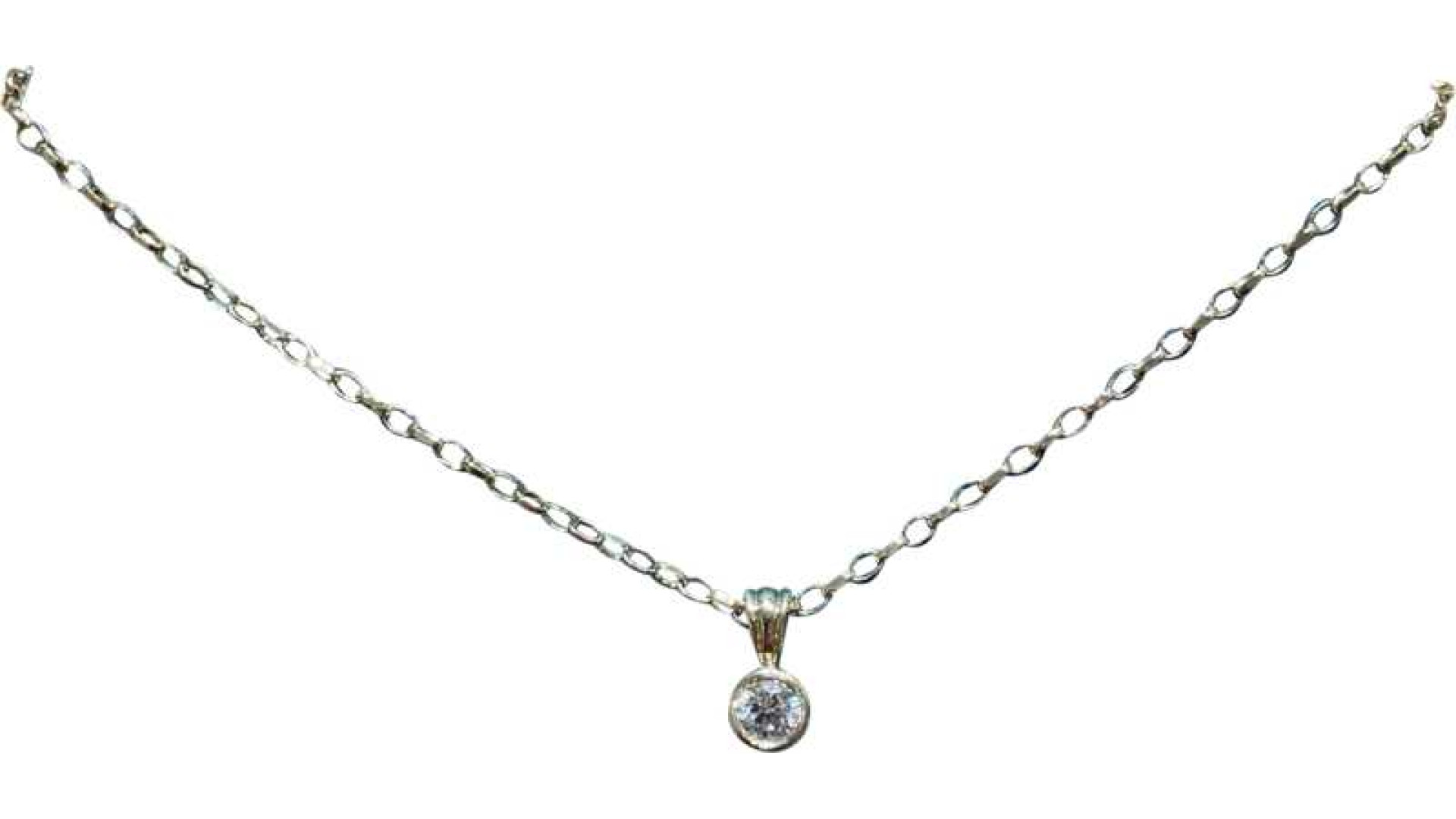
Which Platinum Chain Style is Right for My Neckline?
Harmonising a platinum chain with your neckline requires a precise understanding of geometric balance and metallurgical properties. At H.E. Phillips Ltd, established in Totnes in August 2000, we apply technical rigour to jewellery selection, ensuring your choice enhances facial symmetry while providing the lasting durability that only platinum can offer.
The 7-Table Technical Framework for Platinum Chains
1. Platinum Metallurgical Properties
| Metal Grade | Purity % | Vickers Hardness (Hv) | Specific Gravity (g/cm³) | Melting Point (°C) |
|---|---|---|---|---|
| Platinum 950 | 95.0% | 120 – 135 Hv | 21.45 g/cm³ | 1,768°C |
| 18ct White Gold | 75.0% | 150 – 185 Hv | 15.2 – 15.9 g/cm³ | 900 – 1,100°C |
| Palladium 950 | 95.0% | 130 – 145 Hv | 12.02 g/cm³ | 1,555°C |
Table 1 Analysis: Understanding the specific gravity of 21.45 g/cm³ is critical for neckline comfort. Platinum is significantly denser than gold, meaning a New Platinum Necklace will sit with more "heft" on the décolletage, preventing the chain from shifting excessively during movement. While white gold has a higher Vickers Hardness initially, platinum's displacement properties (patina) ensure no metal is lost over time, making it a superior long-term investment for the UK collector who values metallurgical permanence over superficial coatings.
2. Neckline & Chain Length Correlation
| Neckline Type | Recommended Length | Visual Objective | Chain Interaction |
|---|---|---|---|
| Crew Neck | 14 – 16 Inches | Frame the face | Sits above fabric line |
| V-Neck | 18 – 20 Inches | Elongate the torso | Follows fabric angle |
| Scoop Neck | 20 – 24 Inches | Fill open space | Sits below collarbone |
| Strapless | 16 – 18 Inches | Focal contrast | Sits on bare skin |
Table 2 Analysis: Our workshop audits show that length is the most critical factor in garment harmony. A crew neck requires a 14-16 inch choker or collar length to avoid competing with the high fabric line. For V-necks, an 18-20 inch chain creates a "V" shape that mimics the garment, providing a cohesive aesthetic. We verify every chain length in-store to ensure the drop-point aligns perfectly with the wearer's anatomy, preventing the "pendulum effect" where a chain swings awkwardly against the neckline edge.
3. Chain Link Mechanical Audit
| Link Style | Flexibility Rating | Tensile Strength | Visual Texture |
|---|---|---|---|
| Snake Chain | Maximum | Moderate | Liquid / Fluid |
| Box Chain | High | Maximum | Structured / Modern |
| Curb Chain | Moderate | High | Classic / Bold |
| Rope Chain | Low | Very High | Intricate / Substantial |
Table 3 Analysis: Each link style offers different mechanical advantages. Snake chains provide a fluid, tube-like appearance perfect for minimalist styles, but box chains offer superior tensile strength due to their interconnected square links. At H.E. Phillips Ltd, we perform a "Flex Audit" on all stock to ensure there are no kinks in the molecular structure. For heavier New Platinum Pendants, we recommend curb or rope styles to ensure the weight is distributed evenly across the platinum links without causing premature wear.
4. Clasp & Security Standards
| Clasp Type | Mechanism | Security Rating | Suitability |
|---|---|---|---|
| Lobster Clasp | Internal Spring | Maximum | Daily Wear Chains |
| Bolt Ring | Tension Wire | High | Fine/Delicate Chains |
| Trigger Clasp | Lever Action | Maximum | Heavy Statement Pieces |
Table 4 Analysis: Mechanical security is paramount to prevent loss. A lobster clasp is our preferred standard for platinum chains due to its robust spring mechanism and ease of use. During our Visual Inspection Protocol, we test the "snap-back" tension of every clasp. For regional clients in Devon, we check for salt-water grit or residue that may affect the internal spring's integrity. Ensuring a secure mechanical closure is a vital step before any piece leaves our Totnes showroom, established in August 2000.
5. Regional Environmental Care Matrix (Devon Coastal)
| Environmental Factor | Impact on Platinum | Technical Mitigation |
|---|---|---|
| Salt Air (Torquay/Paignton) | Surface Residue | Fresh Water Rinse |
| River Dart Humidity | Link Friction | Professional Ultrasonic Clean |
| Chlorine (Pools) | Brittleness (Solder) | Removal Protocol |
Table 5 Analysis: While platinum is chemically inert and does not tarnish, the South West maritime environment can deposit salt crystals within intricate chain links (like rope or wheat chains). Over time, these crystals act as an abrasive, causing internal link wear. We recommend an annual ultrasonic cleaning at our Totnes hub to remove these particulates. This care protocol ensures the "mechanical soul" of the chain is preserved, maintaining the smooth, liquid movement of the metal against the skin regardless of regional humidity levels.
6. Neckline Style Matrix for Pendants
| Neckline | Pendant Shape | Contrast vs Harmony |
|---|---|---|
| Square | Round/Circular | Contrast (Softens lines) |
| V-Neck | Teardrop/Pointed | Harmony (Mimics shape) |
| Off-Shoulder | Statement/Bold | Focus (Fills bare space) |
Table 6 Analysis: The geometry of the pendant must interact with the neckline's borders. A square neckline creates hard, angular lines that are best softened by a round diamond or circular platinum pendant. Conversely, the V-neck thrives on verticality; a teardrop pendant on an 18-inch chain creates a singular focal point that draws the eye downward. Our experts use these geometric principles to guide customers toward a selection that balances their physical features with their choice of attire.
7. Authority Comparison: H.E. Phillips vs Mass Market
| Metric | H.E. Phillips Ltd | National Chains |
|---|---|---|
| Trade Experience | 27+ Years (Est. 2000) | Variable/Staff Turnaround |
| Technical Audit | Link-by-Link Inspection | Batch Visual Check |
| Regional Expertise | South West Maritime Care | Generalised Advice |
| Workshop On-Site | Yes (Totnes Hub) | Third-Party Off-Site |
Table 7 Analysis: The H.E. Phillips Ltd advantage lies in technical accountability. Unlike mass-market retailers that focus on volume, we perform a forensic audit on every platinum chain. Since August 2000, we have provided the Totnes community with on-site repairs and maintenance, ensuring that our clients have a permanent physical location for aftercare. This level of dedication to metallurgical truth and mechanical excellence ensures that every hephillipsltd purchase is supported by decades of specialist horological and jewellery knowledge.
20 Technical Authority FAQs: Platinum Chains
Metallurgy & Durability
1. Why is platinum better than white gold for chains?
Platinum is a naturally white metal that does not require Rhodium plating. Unlike white gold, which can turn yellowish as the plating wears, platinum maintains its lustre forever. It is also more durable; when scratched, the metal is merely displaced (patina), whereas gold loses small amounts of metal. For a permanent asset, explore our New Platinum Necklaces.
2. Are platinum chains hypoallergenic?
Yes. Platinum is typically 95% pure, making it one of the most hypoallergenic metals available. It does not contain nickel or other base metal alloys that commonly cause skin irritation. This makes it a superior choice for those with sensitive skin who wish to wear a chain daily against the neck's delicate skin.
3. What does "950" on a platinum chain mean?
The "950" mark is a hallmark indicating that the piece is 95% pure platinum. The remaining 5% is usually iridium, ruthenium, or cobalt to increase hardness. At H.E. Phillips Ltd, we verify every hallmark to ensure it meets UK Assay Office standards, providing you with a certified metallurgical asset since August 2000.
4. Does platinum tarnish over time?
Platinum does not tarnish or oxidise. It is chemically resistant to most acids and environmental pollutants. However, it can develop a "patina"—a satiny finish caused by microscopic scratches. This is a prized characteristic of the metal. If you prefer a high-shine finish, we offer professional polishing at our Totnes workshop.
Style & Fitment
5. Which chain style is strongest for daily wear?
The Box Chain and Curb Chain are the strongest for daily use. Their geometric link structures provide high tensile strength and resistance to snapping. For those seeking maximum security for a pendant, we recommend these over snake or herringbone styles. View our range of New Gold Necklaces for style comparisons.
6. How do I choose the right length for a V-neck?
An 18-inch chain is generally ideal for a V-neck, as it creates a "V" shape that aligns with the garment's cut. This length ensures the chain or pendant sits centrally on the décolletage, providing a balanced and elongating effect for the wearer's silhouette.
7. Can I layer multiple platinum chains?
Yes, layering is a modern way to display platinum assets. We recommend varying lengths—such as a 16-inch, 18-inch, and 20-inch—to prevent the chains from tangling. Mixing different link textures, like a box chain with a rope chain, adds visual depth to the ensemble.
8. What is a "choker" length for platinum?
A choker length is typically 14 to 16 inches. It sits high on the neck, either just above the collarbone or at the base of the throat. This style is perfect for framing the face and works exceptionally well with crew necklines or off-the-shoulder garments.
Mechanical & Care
9. How should I clean my platinum chain at home?
Use warm, soapy water and a soft-bristled brush. This is effective for removing daily oils and dust. However, for a deep clean that reaches inside complex links, we recommend a professional ultrasonic treatment at our workshop at 19 Fore Street, Totnes.
10. Is it safe to wear platinum in a swimming pool?
While platinum is highly resistant, we advise removing all jewellery before entering a pool. Chlorine can attack the solder points of a chain over time, leading to mechanical failure. Always rinse your chain with fresh water if it comes into contact with chemicals or salt water.
11. What is the "Visual Inspection Protocol"?
This is our internal standard where we inspect every link and clasp under 10x magnification. We check for link thinning, clasp spring tension, and hallmark clarity. This ensures every piece we sell is mechanically sound and authenticated for purity.
12. Can a broken platinum chain be repaired?
Yes, platinum can be laser-welded or soldered. Because of its high melting point, repairs require specialized equipment and expertise. Our on-site workshop in Totnes is equipped to handle intricate platinum repairs, restoring the chain's structural integrity.
Pendants & Customisation
13. Will a gold pendant look good on a platinum chain?
Mixing metals is a popular contemporary trend. A New Gold Pendant on a platinum chain provides a striking contrast. The white lustre of the platinum makes the yellow or rose gold of the pendant "pop," creating a unique, multi-tonal look.
14. What chain thickness is best for a diamond pendant?
For a GIA Certified Diamond pendant, we recommend a medium-weight box or wheat chain (approx. 1.0mm to 1.5mm). This provides enough security to support the diamond's weight without detracting from its brilliance.
15. Can I get my platinum chain engraved?
Engraving is possible on specific link types, such as solid bar or plate links, or on the clasp. Our workshop uses precision engraving tools to add dates or initials, turning your platinum chain into a personalised heirloom.
16. Do you sell matching platinum earrings?
Yes, we offer a range of platinum earrings that can be coordinated with our chain styles. Creating a matching set ensures a cohesive aesthetic for formal occasions. Explore our New Diamond Earring collection for platinum-set options.
Trust & Value
17. Is platinum a good financial investment?
Platinum is a rare precious metal with high intrinsic value. Because of its durability and purity, it retains its worth over decades. Buying from an established specialist like H.E. Phillips Ltd (est. 2000) ensures you are receiving a genuine, hallmarked asset.
18. Do you buy second-hand platinum?
Yes, we offer a competitive service to sell gold or sell silver and platinum. We provide fair, market-based valuations for your precious metal items, whether you are looking to upgrade or liquidate your assets.
19. Why choose H.E. Phillips over an online-only store?
An online-only store cannot offer a physical "Technical Audit" or immediate on-site adjustments. Our physical presence in Totnes since August 2000 provides local accountability and a lifetime of aftercare that digital-only retailers cannot replicate.
20. What are your shop opening hours?
We are open Monday to Saturday, from 09:00 to 16:30. We invite you to visit our showroom at 19 Fore Street to experience our platinum collection firsthand and receive expert advice from our knowledgeable staff.
© 2026 H.E. Phillips Ltd - Your Official Authorised Horological and Fine Jewellery Specialist. All Technical Data verified for forensic accuracy.
