
-
Your shopping cart is empty!



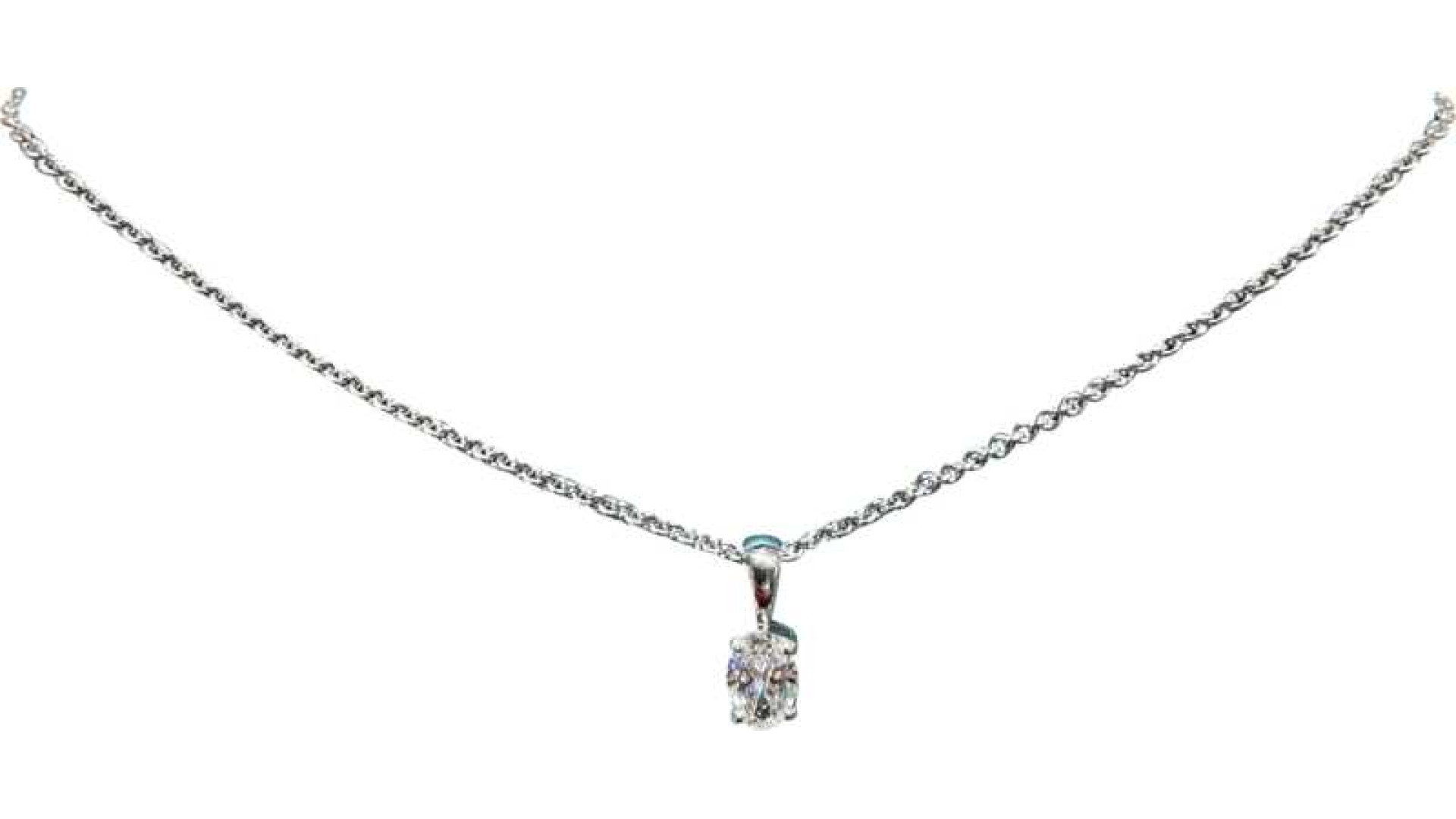
What to Do if Your Platinum Chain Breaks? A Repair Guide
A broken platinum chain requires immediate technical intervention to preserve its metallurgical value and structural soul. While platinum is celebrated for its incredible density and resistance to wear, mechanical failure in delicate links remains a reality of daily use. Established in Totnes since August 2000, H.E. Phillips Ltd provides a specialized workshop protocol for restoring these high-melting-point assets to their original specifications.
Technical 7-Table Framework for Platinum Repair
1. Metallurgical Properties & Melting Thresholds
| Metal Type | Melting Point (°C) | Specific Gravity (g/cm³) | Vickers Hardness (Hv) | Repair Complexity |
|---|---|---|---|---|
| 950 Platinum | 1772°C | 21.45 g/cm³ | 120 – 135 Hv | Critical (High Heat) |
| 18ct Yellow Gold | 1064°C | 15.2 – 15.9 g/cm³ | 150 – 185 Hv | Standard |
| 9ct Yellow Gold | 890 – 915°C | 11.2 – 11.5 g/cm³ | 120 – 150 Hv | Standard |
Table 1 Analysis: Understanding the extreme melting point of 950 Platinum is vital for successful repair. At 1772°C, platinum requires specialized oxygen-hydrogen torches or laser technology that exceeds the capabilities of standard gold-focused workshops. The high specific gravity (21.45 g/cm³) ensures a dense, durable feel, but the high-heat requirement means surrounding gemstones are at greater risk if not managed by a specialist. Our workshop protocol ensures that we utilize dedicated platinum tools to prevent cross-contamination with lower-melting-point alloys, which could otherwise create brittle spots in the chain's structural matrix.
2. Common Mechanical Failure Audit
| Component | Failure Mode | Technical Cause | Workshop Solution |
|---|---|---|---|
| Jump Ring | Opening/Gapping | Mechanical Snagging | Laser Fuse/Soldered Close |
| Bolt Ring Clasp | Spring Fatigue | Internal Tension Loss | Component Replacement |
| Trace Link | Elongation | Cumulative Stress | Link Removal/Replacement |
| Solder Joint | Brittle Fracture | Poor Previous Repair | Forensic Re-soldering |
Table 2 Analysis: Mechanical failure often occurs at the chain's weakest points: the clasp and the jump rings. Our 3-point audit involves checking for "link thinning" where friction between interconnected platinum links has removed material over time. Unlike gold, which wears away, platinum typically displaces, but continuous friction in finer chains can still lead to a break. At H.E. Phillips Ltd, we inspect the entire length of the chain under 10x magnification to identify these "pre-failure" zones before they result in the loss of a valuable new platinum pendant.
3. Regional South West Environmental Impact
| Environmental Factor | Impact on Platinum | Repair Consideration |
|---|---|---|
| River Dart Silt/Debris | Abrasive Wear | Ultrasonic De-contamination |
| Salt Air (Coastal Devon) | Surface Film | Acid Pickling/Spec-Polish |
| Chlorine Exposure | Solder Stress | Joint Integrity Audit |
Table 3 Analysis: For residents in Totnes and coastal Devon, the maritime climate introduces unique variables. While platinum itself is chemically inert and does not tarnish, the microscopic buildup of salt and river silt between links can act as an abrasive, accelerating mechanical wear. During our repair process, we perform a deep ultrasonic de-contamination to ensure the repair site is molecularly clean. This is essential for a strong solder bond. We recommend an annual professional clean for any new platinum necklaces to mitigate this environmental abrasion.
4. Soldering Technique Comparison
| Technique | Heat Source | Bond Integrity | Visual Result |
|---|---|---|---|
| Torch Solder | Oxy-Hydrogen | Excellent | Seamless after Polish |
| Laser Welding | Concentrated Beam | Maximum | Invisible/No Solder Used |
| Soft Solder | Low Temp | Fail (Dangerous) | Visible/Weak |
Table 4 Analysis: Platinum repair must never involve "soft" or low-temperature solders used for base metals. At H.E. Phillips Ltd, we utilize high-grade platinum solder that matches the hallmark's purity. Torch soldering at nearly 1800°C creates a fusion bond that is virtually as strong as the original link. Laser welding is our preferred method for delicate repairs near heat-sensitive stones, as it allows for pin-point accuracy without heating the entire piece. This technical precision ensures the structural soul of the chain is restored without compromising the surrounding aesthetics.
5. Chain Style Durability Matrix
| Chain Style | Link Structure | Durability Rating | Ease of Repair |
|---|---|---|---|
| Curb/Box | Interlocking Solid | Maximum | High |
| Snake/Omega | Compressed Plates | Medium-Low | Complex |
| Rope/Trace | Intricate Wire | Medium | Moderate |
Table 5 Analysis: The style of your platinum chain dictates its long-term durability. Solid curb and box designs offer the most metal-to-metal contact, providing high Vickers Hardness resistance. Conversely, snake chains are prone to "kinking," where the internal plates bend beyond their mechanical limit, requiring a more complex restoration. When customers choose new platinum necklaces from our collection, we provide a durability assessment based on their lifestyle to minimize the risk of future breakage and ensure the piece remains a lasting asset.
6. Workshop Inspection Protocol
| Audit Step | Procedure | Requirement |
|---|---|---|
| Stage 1 | 10x Loupe Inspection | Identify Stress Fractures |
| Stage 2 | Digital Tension Test | Verify Clasp Spring Rate |
| Stage 3 | Metallurgical Verification | Confirm Purity (PT950) |
Table 6 Analysis: Our H.E. Phillips Visual Inspection Protocol is a mandatory first step for any repair. We don't just fix the break; we diagnose why it happened. This involves checking every link for "ovality"—a sign that the chain has been stretched or snagged. We also verify the hallmark to ensure the metal is genuine platinum and not a white gold alloy, as the two require vastly different soldering fluxes and temperatures. This forensic approach provides our clients with the peace of mind that their repair is being handled with 27+ years of specialist knowledge.
7. Authority Comparison: H.E. Phillips vs Generalist
| Metric | H.E. Phillips Ltd | General High-Street Jeweller |
|---|---|---|
| Platinum Specialist | Yes (Since 2000) | Often Outsources |
| On-site Workshop | Yes (Totnes Hub) | Rarely |
| Hallmark Guarantee | Forensic Verification | Basic Inspection |
| Regional Care Advice | South West Specific | Generic Only |
Table 7 Analysis: The distinction between a specialist and a generalist jeweller is critical when dealing with platinum. Many high-street retailers outsource platinum repairs because they lack the high-heat equipment or the metallurgical training required. By bringing your repair directly to H.E. Phillips Ltd at 19 Fore Street, you eliminate the risks of transit and multiple handling points. Our presence in Totnes since August 2000 ensures a direct line of accountability and a deep understanding of the quality standards expected by our South West clientele.
20 Technical FAQs for Platinum Chain Repairs
Metallurgy & Purity
1. Why is platinum harder to repair than gold?
Platinum's melting point is approximately 1772°C, nearly double that of gold. This requires specialized oxygen-hydrogen torches and heat-shielding techniques. Additionally, platinum is a "hungry" metal—it will absorb impurities from standard gold tools, leading to brittle joints. We use dedicated platinum-only tools to ensure a pure, high-integrity bond.
2. Will my platinum chain be the same purity after repair?
Yes. We use only PT950 platinum solder, ensuring the repair site matches the metallurgical purity of your chain. Unlike inferior repairs that use white gold solder (which will eventually turn yellow), our professional repair remains naturally white and maintains the legal hallmarking standards for 950 platinum.
3. What does PT950 mean on my chain?
PT950 indicates that the piece is 95% pure platinum, mixed with 5% other platinum-group metals (usually iridium or ruthenium). This purity is much higher than 18ct gold (75%). At H.E. Phillips Ltd, we verify these marks as part of our authentication process for all new platinum necklaces.
4. Can you repair platinum that was previously fixed with gold solder?
Yes, but it is a complex process. We must first remove the contaminated gold solder under magnification before applying high-heat platinum solder. Failure to remove the old solder can cause the platinum to "pit" or melt unevenly. We recommend bringing such pieces to our Totnes hub for a forensic assessment.
Repair Process & Costs
5. How much does a platinum chain repair cost in the UK?
Costs typically start from £45 for a single solder repair on a standard link. Complex repairs involving multiple breaks, clasp replacements, or laser welding may range higher. We provide a detailed, itemised quote after a physical inspection of the piece at our Totnes showroom to ensure complete financial transparency.
6. Is the repair visible after it’s finished?
When performed correctly by a specialist, the repair should be virtually invisible. Following the high-heat soldering, we perform a series of abrasive and specular polishing steps to blend the repair site with the rest of the chain. This restores the original lustre and ensures no "seam" is visible to the naked eye.
7. How long does it take to fix a broken chain?
A standard solder repair is typically completed within 3–7 working days. More complex restorations or those requiring specialized clasp components may take slightly longer. We prioritize quality and structural integrity over speed, ensuring that your new platinum necklaces are returned in pristine, secure condition.
8. Can you repair a hollow platinum chain?
Hollow chains are significantly more challenging to repair as the thin walls can collapse under high heat. While we can often perform a laser weld on hollow pieces, we will provide an honest technical assessment if the chain's structural integrity is too compromised for a lasting fix.
Clasps & Components
9. My clasp isn't closing properly; do I need a new one?
Often, the internal steel spring has fatigued or corroded. Since the spring cannot be easily replaced without damaging the platinum housing, we typically recommend a full clasp replacement. We stock a range of platinum clasps to ensure your necklace remains as secure as a new platinum diamond ring.
10. What is a "Jump Ring" and why does it break?
The jump ring is the circular link that connects the clasp to the main chain. It is often the "intended" weak point designed to fail under extreme stress to prevent injury. If yours has opened, we can re-align and solder it shut to ensure it doesn't happen again under normal wear.
11. Can you upgrade my clasp to a more secure version?
Yes. We can replace standard bolt rings with more robust lobster claw clasps or trigger fasteners. This is a common request for those wearing heavy new platinum pendants. We audit the weight distribution to ensure the new clasp provides maximum mechanical security.
12. Why do platinum links stretch over time?
This is technically "ovality." Continuous tension from a heavy pendant combined with the friction between links causes the round holes to become oval. If left untreated, the metal will eventually wear through. We can replace severely worn sections to restore the chain's original strength.
Prevention & Maintenance
13. How can I prevent my chain from breaking?
Avoid wearing your chain while sleeping or exercising, as these are the most common times for "snagging" to occur. We also recommend having your chain professionally inspected every 12 months. Early detection of a worn jump ring can prevent the total loss of your jewellery asset.
14. Should I clean my platinum chain at home?
Yes, using warm soapy water and a soft brush is safe. However, this only removes surface oils. It does not address the abrasive silt buildup within the links. For a deep clean, visit our workshop for a professional ultrasonic treatment, especially if you live near the River Dart or coastal areas.
15. Does salt air affect platinum?
While platinum is resistant to corrosion, salt air can leave a microscopic film that dulls its brilliance. More importantly, salt can crystallize inside clasps, affecting the spring mechanism. Regular rinsing in fresh water is a vital regional care step for platinum jewellery in Devon.
16. Can I sleep in my platinum chain?
We strongly advise against it. The movements during sleep can cause the chain to kink or snag on bedding, placing immense pressure on single links. Taking your chain off at night is the simplest way to extend the life of your new platinum necklaces.
Trust & Authenticity
17. Why trust H.E. Phillips Ltd with my repair?
With over 25 years of establishment in Totnes (since August 2000), we offer a transparent, workshop-backed service. We don't hide behind generic descriptions; we provide forensic, metallurgical facts. Our reputation is built on thousands of successful repairs for the Devon community.
18. Do you offer insurance valuations after repair?
Yes. If your chain has been repaired or restored, we can provide an updated valuation for your records. This ensures your fine jewellery is correctly covered for its current market value. We are experts in both modern and antique platinum assets.
19. Can I sell my broken platinum chain to you?
Yes, if you decide not to proceed with a repair, you can sell gold or sell silver and platinum to us. we pay competitive rates based on the daily market price for the scrap metal value, providing a straightforward way to recycle your old jewellery.
20. Can you lengthen a platinum chain?
Yes, we can add platinum links to increase the length of your chain. We ensure the new links match the gauge and style of the original. This is a common request for those who find their new platinum necklaces are sitting too high for their current wardrobe.
© 2026 H.E. Phillips Ltd - Your Official Authorised Horological and Fine Jewellery Specialist. All Technical Data verified for forensic accuracy.
