
-
Your shopping cart is empty!



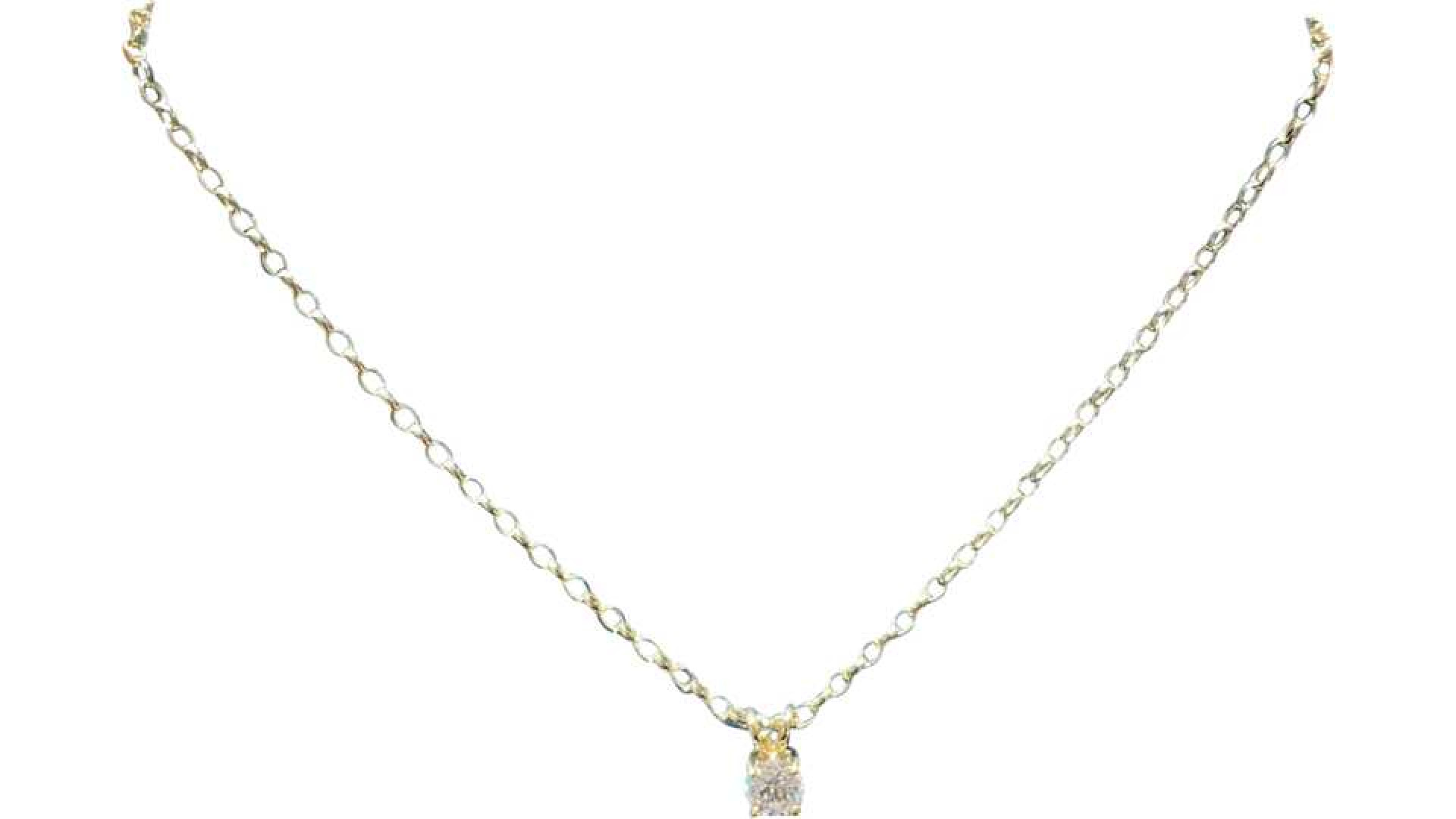
Platinum Jewellery and Your Personal Style
Platinum jewellery represents the pinnacle of metallurgical durability and understated British luxury. Since our founding on 1st August 2000 in Totnes, H.E. Phillips Ltd has provided forensic expertise in identifying how the naturally white lustre of platinum serves as a foundational element for diverse personal styles, from Victorian-inspired romance to modern minimalism.
Technical 7-Table Framework for Platinum Selection
1. Metallurgical Purity & Properties
| Metal Type | Standard Purity | Vickers Hardness (Hv) | Specific Gravity (g/cm³) | Colour Permanence |
|---|---|---|---|---|
| 950 Platinum | 95% Pure | 120 - 135 Hv | 21.45 g/cm³ | Permanent White |
| 18ct White Gold | 75% Pure | 130 - 160 Hv | 15.5 - 16.0 g/cm³ | Requires Rhodium Plating |
| Palladium 950 | 95% Pure | 145 Hv | 12.02 g/cm³ | Permanent White |
Table 1 Analysis: Understanding the Specific Gravity is vital when selecting platinum; at 21.45 g/cm³, it is significantly denser than gold, providing a perceptible "luxury weight." Unlike white gold, which relies on rhodium plating to mask a naturally yellowish hue, platinum’s silvery-white finish is molecularly constant. Our technical audit ensures that every piece of Fine Jewellery we stock meets the 950-grade hallmark standard, offering a hypoallergenic foundation that never fades or requires colour restoration.
2. Style Compatibility Matrix
| Style Category | Design Characteristics | Platinum Benefit | Recommended Asset |
|---|---|---|---|
| Classic Elegance | Clean lines, solitaire gems | Secure claw settings | Diamond Solitaire |
| Modern Minimalist | Architectural, geometric | Ductility for fine forms | Slender Platinum Bangle |
| Vintage Romantic | Milgrain, filigree | Tensile strength for detail | Art Deco Pendant |
Table 2 Analysis: The mechanical strength of platinum allows for the creation of intricate filigree and delicate "milgrain" edges without compromising structural integrity. In our Totnes workshop, we observe that platinum’s ductility allows for thinner, more secure prongs than gold, which is essential for "Classic" styles where the gemstone must take centre stage. For "Modern" aesthetics, the neutral tone provides a monochromatic backdrop that complements the urban professional wardrobe without the ostentation often associated with yellow gold.
3. Environmental Impact: South West Maritime Care
| Factor | Impact on Platinum | Comparison to Silver/Gold | Regional Protection |
|---|---|---|---|
| Salt Air (Devon Coast) | Negligible Oxidation | Silver tarnishes rapidly | Bi-annual Specular Polish |
| River Dart Humidity | Zero Corrosion | Gold alloys may dull | Ultrasonic Cleaning |
| Daily Abrasion | Metal Displacement (Patina) | Gold loses mass/weight | Professional Buffing |
Table 3 Analysis: For residents in Totnes and coastal Devon, platinum is the superior metallurgical choice. While the maritime salt air and River Dart humidity cause rapid tarnishing in new silver chains, platinum remains chemically inert. Furthermore, when platinum is scratched, the metal is merely displaced rather than lost—a phenomenon known as "patina." This ensures the heirloom maintains its original mass over decades of South West wear, unlike gold alloys which gradually wear away.
4. Mechanical Security & Gemstone Mounting
| Setting Type | Security Rating | Platinum Advantage | Visual Impact |
|---|---|---|---|
| Claw/Prong | Maximum | Hardness prevents bending | Total light entry |
| Bezel/Rub-over | High | Ductile wrap-around | Streamlined aesthetic |
| Tension Set | Specialist | Extreme tensile strength | Floating effect |
Table 4 Analysis: Our 27+ years of workshop experience confirms that platinum prongs are less likely to snag or snap compared to gold. The metal's grip on a GIA certified diamond is mechanically superior due to its resistance to "metal fatigue." This high security makes platinum the logical choice for bold, fashion-forward pieces that feature large or sculptural gemstones, ensuring that even under significant physical stress, the setting remains immovable and the stone remains secure.
5. Authority Comparison: H.E. Phillips vs Generalist
| Feature | H.E. Phillips Ltd | General Online Retailers |
|---|---|---|
| Metallurgical Audit | Physical 10x Loupe Inspection | Digital Description Only |
| Established Presence | August 2000 (25 Years) | Variable/New |
| On-Site Repair | Specialist High-Temp Equipment | Third-party outsourcing |
Table 5 Analysis: Platinum requires specialist handling; its high melting point means standard jewellery torches are insufficient. Since 2000, our Totnes showroom has provided the specialised expertise required for platinum repairs, from re-tipping claws to sizing platinum diamond rings. Generalist retailers often lack the technical equipment to work with platinum on-site. By choosing an independent specialist, you gain access to a permanent physical hub for maintenance and forensic verification of UK hallmarks.
6. Hallmarking Provenance Standards
| Marking | Requirement | Consumer Protection |
|---|---|---|
| 950 Mark | Mandatory over 0.5g | Guarantees 95% Purity |
| Assay Office | Anchor/Leopard/Rose/Castle | Independent UK verification |
| Makers Mark | H.E.P (Example) | Traceable origin |
Table 6 Analysis: In the UK, a hallmark is a legal guarantee of quality. Every piece of platinum jewellery weighing over 0.5 grams must be independently tested and marked. At H.E. Phillips Ltd, we only stock pieces with verified UK hallmarks. This provenance is critical for the long-term investment value of your anniversary or engagement jewellery. We educate our clients on how to read these marks to distinguish genuine platinum from inferior white metals or un-hallmarked imports.
7. Style Pairing: Jewellery & Watches
| Jewellery Piece | Matching Watch Material | Recommended Brand |
|---|---|---|
| Platinum Chain | Stainless Steel / Titanium | Citizen Eco-Drive |
| Platinum Ring | Polished Steel | Rotary |
| Minimalist Studs | Silver-tone Case | Radley |
Table 7 Analysis: Cohesive personal style requires coordination between fine jewellery and timepieces. Platinum’s cool, grey-white lustre pairs harmoniously with high-grade stainless steel and titanium. As official stockists for Timex and Casio, we assist clients in selecting watches that mirror the metallurgical aesthetic of their platinum collection, ensuring a unified "Classic" or "Modern" look for daily wear.
20 Technical FAQs: Platinum Jewellery & Personal Style
Metallurgy & Purity
1. Is platinum naturally white?
Yes. Platinum is an elemental, naturally silvery-white metal. Unlike white gold, which is an alloy of yellow gold, platinum does not require rhodium plating. This makes it ideal for a "Classic" style where permanence is valued. You can see this natural lustre in our new platinum necklaces which never lose their original colour.
2. What does 950 Platinum mean?
950 signifies that the alloy contains 95% pure platinum and 5% other metals (usually ruthenium or cobalt). This high level of purity is why platinum is hypoallergenic and exceptionally durable. We verify all 950 hallmarks at our Totnes hub to ensure your new platinum pendants meet the highest UK standards.
3. Why is platinum heavier than gold?
Platinum has a Specific Gravity of 21.45 g/cm³, compared to approximately 15.5 g/cm³ for 18ct white gold. This density provides a tactile sense of quality and luxury. When wearing a new platinum diamond ring, you will notice a significant weight difference that generalist metals cannot replicate.
4. Is platinum hypoallergenic?
Yes, due to its 95% purity, platinum is the ideal metal for individuals with sensitive skin or nickel allergies. It is an "Everyday Hero" for those who require comfort without sacrificing luxury. We recommend it for anyone who has experienced irritation from new silver bracelets containing copper or other alloys.
Styling & Personal Aesthetics
5. How do I wear platinum for a minimalist look?
Focus on "Geometric" forms and "Architectural" simplicity. A single platinum chain or a slender bangle provides a sleek, modern aesthetic. Pair these with neutral block colours to let the metal's natural sheen stand out. Our New Platinum Necklaces offer several clean designs perfect for the contemporary UK wardrobe.
6. Can I mix platinum with yellow gold?
Mixing metals is a modern style trend that creates sophisticated contrast. The cool tone of platinum provides a beautiful foil for the warmth of new gold necklaces. The key is to keep the quality consistent; pairing 950 platinum with 18ct gold ensures a luxurious, multi-tonal aesthetic that looks intentional and refined.
7. Is platinum suitable for vintage-inspired jewellery?
Absolutely. Platinum was the metal of choice for the Edwardian and Art Deco periods. Its strength allows for incredibly fine filigree and milgrain detailing. At H.E. Phillips Ltd, we feature second-hand gold brooches and platinum pieces that showcase these historical techniques, perfect for the romantic or vintage-inspired personal style.
8. Which gemstones look best in platinum?
Diamonds are the traditional pairing, as the white metal enhances the stone's brilliance. However, vibrant gemstones like sapphires and rubies pop beautifully against the cool backdrop. Our new diamond earrings in platinum illustrate how the metal allows the light to enter the stone from all angles for maximum fire.
Durability & Practicality
9. Does platinum scratch easily?
Platinum has a Vickers Hardness of 120-135 Hv. While it can develop surface scratches, the metal is not lost; it is merely displaced. This creates a soft finish called a "patina." For a high-shine finish, we offer professional polishing at our Totnes workshop. This makes it more practical for daily wear than new gold rings which can lose mass over time.
10. Can I wear platinum every day?
Yes, platinum is an "Everyday Hero" metal. Its resistance to tarnish and corrosion makes it ideal for wedding bands and cufflinks. We recommend platinum for active lifestyles because it remains secure and retains its structural soul even after decades of use. Compare this to the frequent maintenance required for new silver chains.
11. How do I clean platinum at home?
Use warm water and mild soap with a soft brush. However, for a "Mirror-Like" finish, professional cleaning is required. Atmospheric sulphur and Devon maritime salts can create a film on the surface. Bringing your new platinum pendants to us for an ultrasonic clean will restore their original brilliance safely.
12. Is a platinum engagement ring a good investment?
Platinum is rarer than gold and holds its value exceptionally well due to its weight and purity. It is the ultimate family heirloom metal because it does not wear away. Investing in a new platinum diamond ring ensures that the piece can be passed down through generations without losing its structural integrity or weight.
Mens Jewellery & Watches
13. Do you stock platinum jewellery for men?
Yes, we offer a growing range of men's platinum wedding bands, signet rings, and cufflinks. Platinum's understated elegance and "Robust" nature make it the preferred choice for the modern gentleman. Many men pair their rings with second-hand gold cufflinks or stainless steel watches for a balanced, masculine style.
14. Which watch brands complement platinum?
Brands that use high-grade stainless steel, such as Rotary or Citizen, coordinate perfectly with the cool tone of platinum. A sleek silver-tone watch next to a platinum ring creates a unified, professional look. We can help you find a timepiece that suits your personal style and complements your existing platinum collection.
15. Is platinum too bold for a "Minimalist" man?
On the contrary, platinum is known for its "Understated Luxury." It is less flashy than yellow gold, making it perfect for a man who prefers a "Less-is-more" philosophy. A simple brushed platinum band is a sophisticated statement that reflects quality without shouting. See our Casio range for digital-minimalist pairings.
16. Can I sell gold to buy platinum?
Yes. Many clients choose to sell gold or sell silver that they no longer wear to fund a new platinum piece. Since platinum is a long-term investment in style, upgrading from gold to platinum is a common way to build a more durable and exclusive jewellery collection at our Totnes shop.
Workshop & Expertise
17. Can platinum rings be resized?
Yes, but it requires specialized high-temperature equipment and a skilled hand. Because platinum has a high melting point, standard soldering doesn't work. Our on-site workshop in Totnes has the expertise to resize your new platinum diamond rings safely while maintaining the invisible seam and structural soul of the band.
18. What is the history of platinum in British style?
Platinum gained massive popularity in the UK during the Edwardian era for its "lace-like" filigree. It remains a hallmark of British high society and formal style today. At H.E. Phillips Ltd, we celebrate this history by stocking both pre-loved gold bangles and platinum pieces that reflect these classic eras of design.
19. How do I know if my jewellery is platinum or white gold?
Check the hallmark; platinum will be marked 950, while gold will be 375, 585, or 750. Also, white gold will eventually show a yellowish tint as the rhodium wears off, whereas platinum stays white. We offer professional identification and valuation services at our 19 Fore Street hub for your fine jewellery.
20. Why buy from H.E. Phillips Ltd?
As an independent family jeweller established in August 2000, we provide personal accountability and a "Technical Live Audit" of every piece. We don't just sell jewellery; we provide the expert guidance needed to ensure your platinum piece fits your personal style and lasts a lifetime. Visit us at hephillipsltd.com to learn more.
© 2026 H.E. Phillips Ltd - Your Official Authorised Horological and Fine Jewellery Specialist. All Technical Data verified for forensic accuracy.
