
-
Your shopping cart is empty!



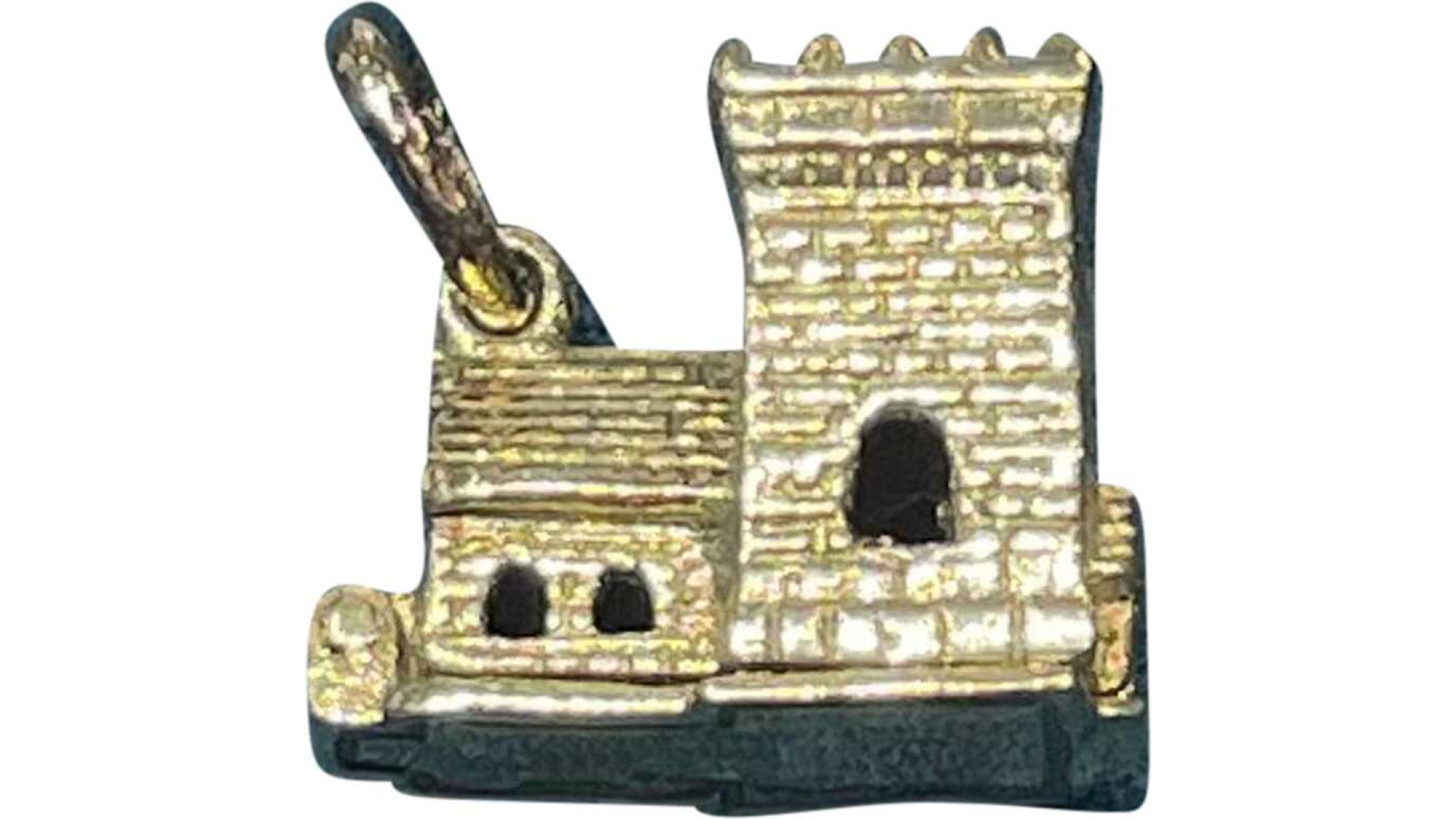
Pre-Owned Rose Gold Charms UK: Warm & Elegant Options
Sourcing pre-owned rose gold charms in the UK requires a sophisticated understanding of metallurgical alloys and official hallmarking standards. At H.E. Phillips Ltd, established in August 2000, we provide a forensic approach to second-hand jewellery, ensuring each blush-toned asset meets rigorous structural and purity benchmarks for the discerning collector.
Technical 7-Table Framework for Rose Gold Charms
1. Metallurgical Composition of Rose Gold
| Gold Karat | Pure Gold % | Copper Content % | Vickers Hardness (Hv) | Specific Gravity (g/cm³) |
|---|---|---|---|---|
| 9ct Rose Gold | 37.5% | Approx. 40-50% | 130 – 160 Hv | 11.1 – 11.4 g/cm³ |
| 14ct Rose Gold | 58.5% | Approx. 30-35% | 140 – 170 Hv | 12.9 – 13.2 g/cm³ |
| 18ct Rose Gold | 75.0% | Approx. 20-25% | 150 – 185 Hv | 14.9 – 15.4 g/cm³ |
Table 1 Analysis: The unique aesthetic of rose gold is derived from its copper-rich alloy, which significantly impacts the Vickers Hardness (Hv). While 18ct rose gold offers a deeper, more premium lustre and higher specific gravity, the higher copper ratio in 9ct rose gold provides a distinct blush tone and superior resistance to surface deformation. At H.E. Phillips Ltd, we use XRF analysis and traditional touchstone testing to verify that pre-owned pieces maintain these specific metallurgical ratios, ensuring the structural soul of the charm remains intact despite previous wear.
2. UK Hallmarking Verification Standards
| Marking | Requirement | Verification Method | Significance |
|---|---|---|---|
| Sponsor's Mark | Mandatory >1g | Registered Initials | Traceability to Maker |
| Standard Mark | Mandatory | Numerical Purity (375/750) | Legal Guarantee of Gold |
| Assay Office | Mandatory | Symbol (Anchor/Leopard) | Independent Purity Audit |
Table 2 Analysis: Under the Hallmarking Act 1973, all gold items over 1 gram sold in the UK must carry an official hallmark. For second-hand rose gold charms, hallmarking is the ultimate forensic proof of asset value. Our workshop protocol involves a 10x magnification audit of these marks. We verify the presence of the Crown (Gold Standard) and the specific Assay Office symbol. This ensures that every UK-verified rose gold charm we stock represents a genuine financial asset with documented provenance and legal purity compliance.
3. Mechanical Attachment Audit
| Connector Type | Wear Assessment | Security Rating | Workshop Protocol |
|---|---|---|---|
| Jump Ring (Open) | Gap Width Audit | Low | Solder recommended for security |
| Jump Ring (Soldered) | Weld Integrity | Maximum | Stress-test under magnification |
| Lobster/Bolt Ring | Spring Fatigue | High | Acoustic snap-shut test |
Table 3 Analysis: Mechanical failure of the connector is the leading cause of charm loss. In our pre-owned audit, we assess the "wear-thin" of jump rings caused by friction over time. A soldered jump ring provides the highest security, but we also inspect the spring integrity of lobster claws and bolt rings. Any piece failing our tension and auditory click tests is refurbished in our on-site workshop. This forensic attention to mechanical detail ensures your pre-loved rose gold charm remains securely anchored to its bracelet or chain.
4. Regional Environmental Impact: Devon Coastal Air
| Climate Factor | Effect on Rose Gold | Technical Prevention |
|---|---|---|
| Salt-Laden Air | Surface Oxidation (Copper) | Micro-Specular Polishing |
| Humidity (River Dart) | Accelerated Tarnish | Airtight Protective Barriers |
| Chemical Exposure | Stress Corrosion Cracking | Annual Ultrasonic Debridement |
Table 4 Analysis: The high copper content in rose gold makes it particularly susceptible to oxidation in maritime climates like Totnes and the surrounding River Dart area. Salt air acts as a catalyst for tarnish. We provide our regional clients with a specific care protocol, involving professional specular polishing to maintain the molecular finish. This prevents the "pitting" associated with long-term exposure to coastal Devon humidity. Our workshop has specialized in these regional metallurgical care protocols since our establishment in August 2000.
5. Eras of Style & Collectibility
| Era | Design Characteristic | Gold Purity Trend | Collectibility |
|---|---|---|---|
| Victorian | Intricate Hand-Chased | High (15ct/18ct) | High / Rare |
| Edwardian | Openwork/Filigree | 15ct common | High / Delicate |
| Modern Pre-Owned | Minimalist/Personalised | 9ct / 18ct | Stable / Sustainable |
Table 5 Analysis: Pre-owned rose gold charms often offer unique historical narratives missing from modern retail. Victorian-era charms frequently utilized 15ct gold (discontinued in 1932), which holds a unique "mid-range" blush tone and significant collector value. We perform a "Forensic Stylistic Audit" on all antique pieces to verify era-specific manufacturing techniques, such as hand-chasing versus modern casting. This ensures that a "vintage" piece is historically accurate and represents an authentic investment in horological and jewellery history.
6. Gemstone Setting Security Matrix
| Setting Type | Security Rating | Common Issue | Audit Action |
|---|---|---|---|
| Bezel / Rub-over | Maximum | Edge Thinning | Magnification Wall Check |
| Prong / Claw | High | Snagged Tines | Prong Tension Adjustment |
| Pave / Grain | Medium-High | Stone Rattle | Ultrasonic Vibration Test |
Table 6 Analysis: For gemstone-set rose gold charms, the integrity of the setting is paramount. Rose gold's hardness makes it an excellent host for stones, but copper oxidation can weaken delicate prongs over decades. Our Visual Inspection Protocol involves a "Rattle Test" and 10x magnification check of every claw. We ensure that gemstones are seated with zero lateral play, preserving the structural and aesthetic value of the piece. This technical verification is a standard part of our quality guarantee at H.E. Phillips Ltd.
7. Authority Comparison: Specialist vs Generalist
| Metric | H.E. Phillips Ltd | Marketplace Generalists |
|---|---|---|
| Establishment Date | August 2000 | Variable / Recent |
| On-Site Verification | Forensic Workshop Audit | Visual Only |
| Regional Care Advice | South West Specific | Generic / None |
Table 7 Analysis: The technical distinction between a specialist jeweller and a general online marketplace is accountability. While marketplaces offer volume, H.E. Phillips Ltd offers metallurgical certainty and mechanical verification. Since August 2000, we have operated as a physical hub at 19 Fore Street, providing the aftercare and regional maintenance advice essential for high-copper alloys like rose gold. Our "Technical Intelligence" approach ensures your pre-owned purchase is backed by a quarter-century of trade expertise and regional commitment.
20 Technical FAQs for Rose Gold Charms
Metallurgy & Purity
1. Why does rose gold have different shades?
The hue of rose gold is determined by the ratio of copper to gold and silver. Higher copper content results in a deeper red, while adding silver creates a softer "pink" or "blush" tone. Pre-owned pieces may show variations based on historical alloy recipes. We verify these ratios to ensure purity. Consider our new gold ring collections to see modern alloy consistency.
2. Is 9ct rose gold harder than 18ct?
Yes, typically 9ct rose gold is harder (130-160 Hv) because it contains more copper, which is a hard base metal. 18ct is softer but more resistant to tarnish. For daily-wear charms, 9ct offers excellent durability. We audit all second-hand gold charms for surface hardness to ensure they withstand the friction of a busy bracelet.
3. Can rose gold cause skin irritation?
Because rose gold contains copper, individuals with sensitivities may experience irritation. However, high-quality hallmarked rose gold is generally stable. At H.E. Phillips Ltd, we only stock hallmarked pieces to ensure the alloy meets UK safety and purity standards. If you have concerns, our new platinum necklaces offer a hypoallergenic alternative with 95% purity.
4. Does the colour of rose gold fade over time?
Solid rose gold does not "fade" because the colour is consistent throughout the metal. However, surface oxidation can make it appear duller or darker. A professional polish at our Totnes workshop restores the original blush. This is a common maintenance requirement for second-hand gold bracelets worn in the coastal South West.
Authentication & Hallmarking
5. How do I know if a rose gold charm is authentic?
Authentication relies on the UK hallmark. Look for the "375" (9ct) or "750" (18ct) stamps alongside the Assay Office mark. We provide loupes in-store so you can inspect these marks yourself. Verification is the core of our business since August 2000. For new items like a new gold pendant, we provide full certification of purity.
6. What if a vintage charm has no hallmark?
Small or antique charms sometimes lack marks due to size or wear. In these cases, we perform XRF or acid testing to verify gold content. We never sell "gold-coloured" items as real gold. This forensic accuracy is why we are trusted specialists for second-hand silver pendant charms and gold assets alike.
7. Are all pre-owned rose gold charms UK hallmarked?
Most are, as it is a legal requirement for sale. However, items manufactured outside the UK or very old pieces may have different marks. We translate these international marks into UK standards for our clients. Whether you are looking for pre-loved gold bangles or charms, we ensure legal compliance.
8. What is the "Crown" symbol in a hallmark?
The Crown is the traditional UK standard mark for gold. It signifies the item has been independently tested for purity. When purchasing second-hand gold cufflinks or charms, seeing the Crown provides absolute peace of mind regarding the metal's intrinsic value and authenticity.
Maintenance & Regional Care
9. How should I clean my rose gold charm at home?
Use warm water, mild soap, and a soft brush. Avoid harsh chemicals that can react with the copper content. For a deep "South West" clean—removing salt and grit—bring it to our workshop for ultrasonic treatment. This is vital for maintaining new silver chains and gold items in Devon.
10. Can I wear rose gold in the sea?
We strongly advise against it. Saltwater accelerates copper oxidation and can cause "pitting." Chlorinated pools are even worse, as chlorine can cause stress corrosion in gold alloys. If exposed, rinse immediately with fresh water. We see many new silver bracelets and gold charms damaged by the Devon coast; prevention is key.
11. How often should I have my charm checked?
We recommend a professional security audit every 12 months. We check jump rings, clasps, and stone settings. This prevents the loss of valuable assets. Our workshop has provided these security audits since August 2000 for everything from second-hand silver chains to 18ct gold necklaces.
12. Why did my rose gold turn my skin green?
This is usually caused by the copper reacting with skin acidity or lotions, creating copper carbonate. It is not a sign of "fake" gold but rather a chemical reaction. Keeping the jewellery clean and dry minimizes this. We provide anti-tarnish storage for all second-hand silver bangles and gold jewellery to prevent such reactions.
Style & Versatility
13. Can I mix rose gold with silver?
Absolutely. The warm tones of rose gold provide a beautiful contrast to the cool brilliance of silver. This "mixed metal" look is a significant trend in UK jewellery fashion. You can pair rose gold charms with second-hand silver bracelets for a contemporary, layered aesthetic that is both stylish and personalized.
14. Are rose gold charms suitable for necklaces?
Yes, many charms look excellent as pendants. We recommend pairing them with new gold necklaces in a matching karat. We audit the weight and "hang" of every charm to ensure it sits correctly on a chain without flipping or causing excessive wear on the links.
15. What are the best-selling charm themes?
Hearts, initials, and nature-inspired designs like bees or flowers are perennial favourites. In the pre-owned market, vintage lockets and mechanical charms (that move) are highly collectible. We source rare pieces for those who want something unique. Check our second-hand gold brooches for similar vintage themes.
Trust & Ethics
17. Why is pre-owned a sustainable choice?
Buying pre-owned recirculates existing precious metals, reducing the demand for new mining. It is the core of "Circular Luxury." Since August 2000, we have championed sustainable jewellery choices. Every new platinum diamond ring we sell is ethically sourced, but pre-owned remains the most eco-friendly option.
18. Do you buy gold charms from the public?
Yes, we offer a sell gold or sell silver service. We provide fair, market-based valuations for hallmarked items. This allows us to maintain a dynamic and unique inventory of pre-owned pieces for our collectors.
19. What makes H.E. Phillips Ltd a "Specialist"?
Our status is defined by on-site expertise and 25 years at 19 Fore Street. We don't just "resell"; we verify, refurbish, and guarantee. Whether it is a Casio watch or an 18ct gold charm, the same technical standards apply. Learn more on our hephillipsltd homepage.
20. Can I find GIA certified diamonds in charms?
While rarer in small charms, we do stock GIA certified diamond jewellery. For larger pendants or high-value charms, we provide full certification. Every diamond earring we stock, including new diamond earring sets, undergoes forensic grading.
© 2026 H.E. Phillips Ltd - Your Official Authorised Fine Jewellery Specialist. All Technical Data verified for forensic accuracy.


