-
Your shopping cart is empty!



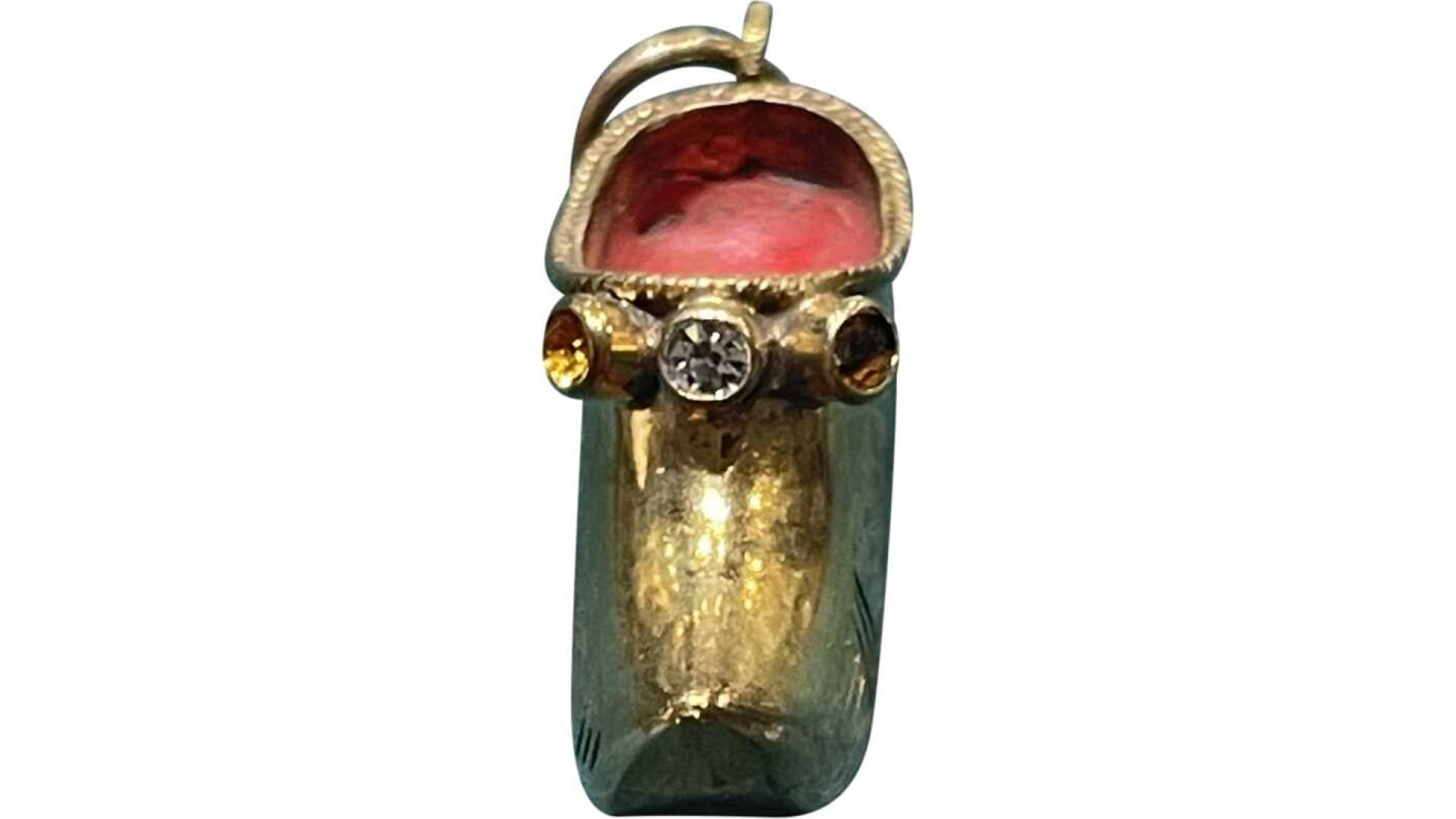
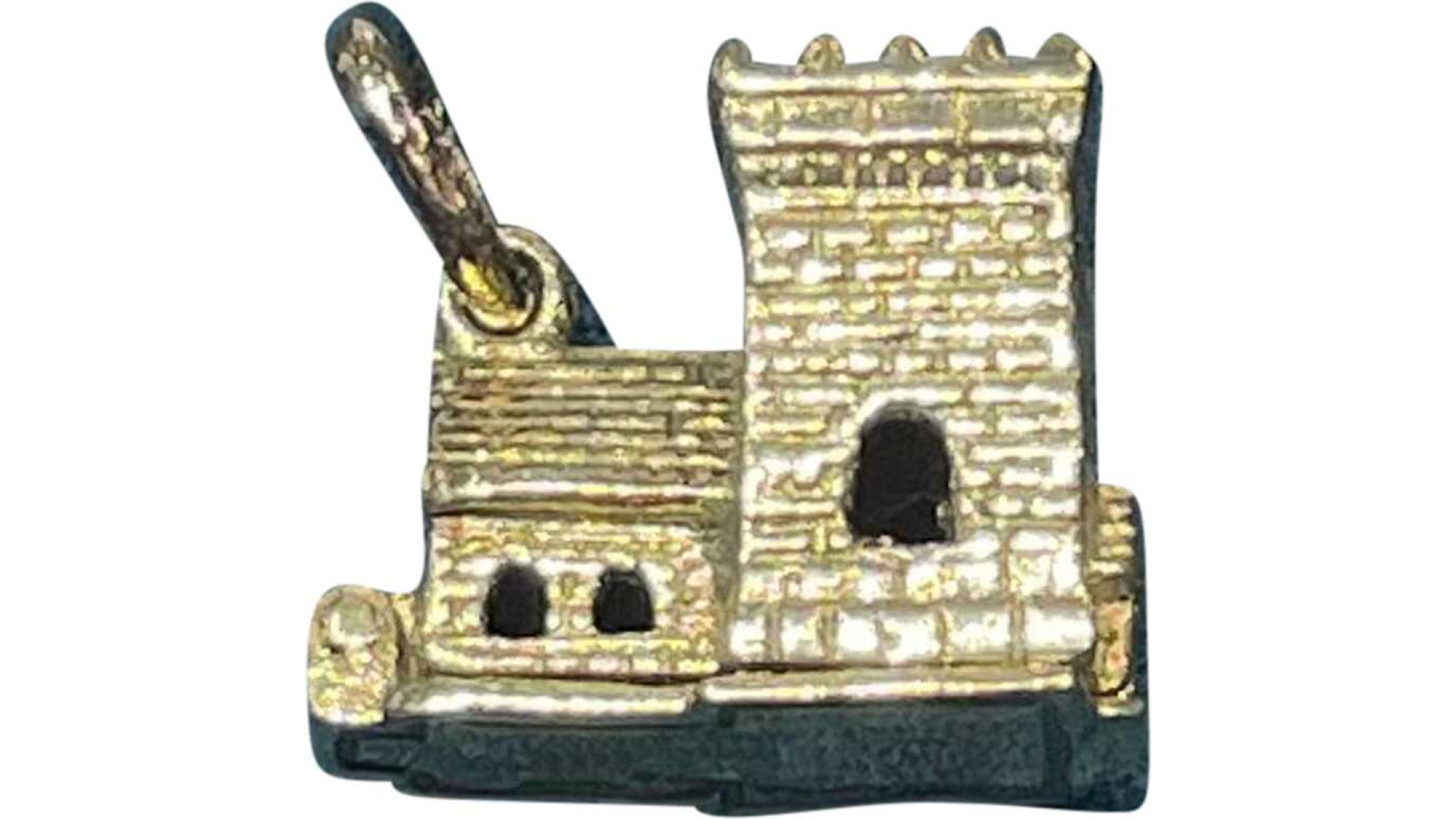
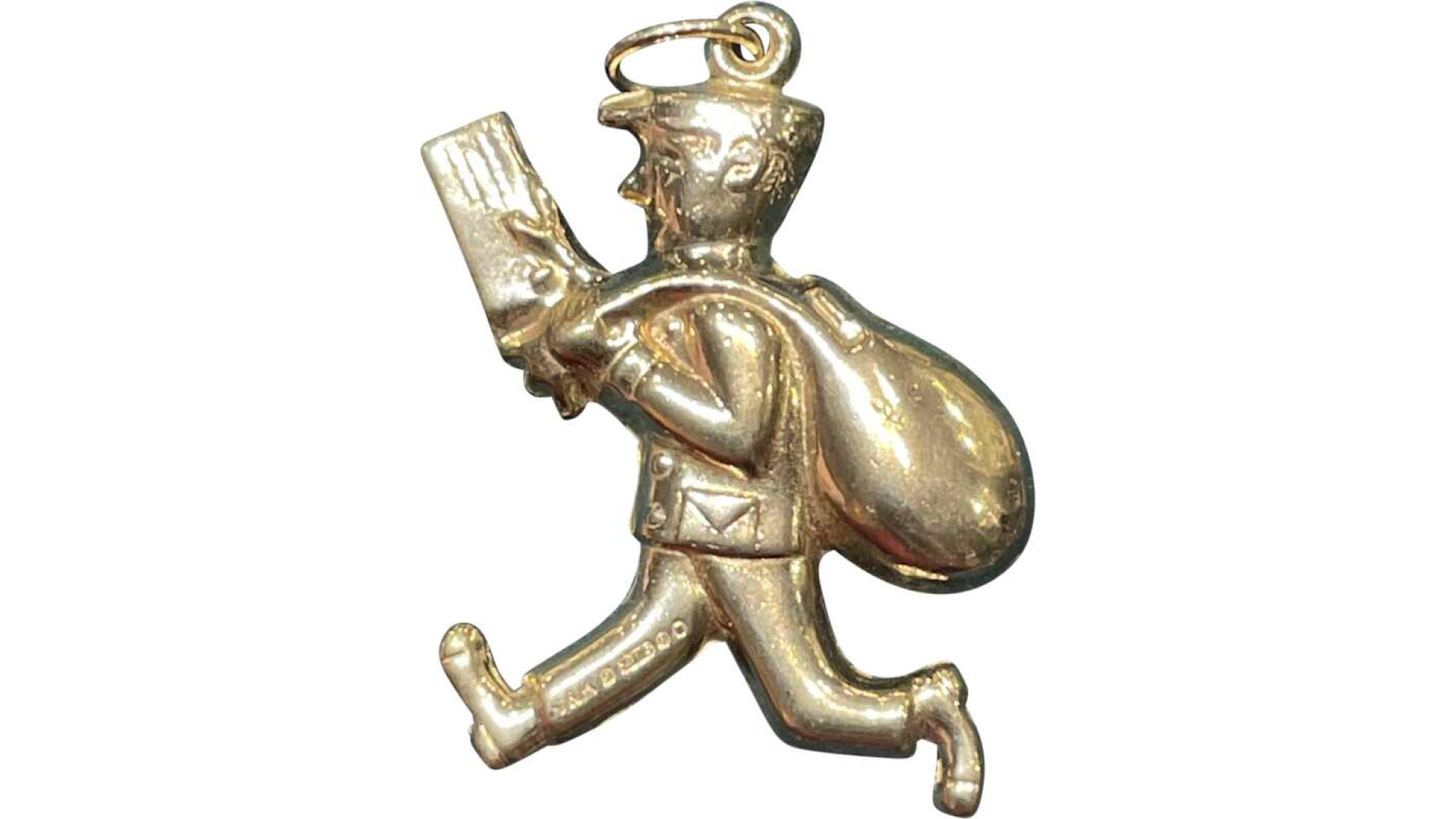
Second Hand Gold Charm Valuations: Trusted Devon Jewellers
Establishing the accurate market value of second hand gold charms requires a meticulous blend of metallurgical testing, hallmark verification, and historical analysis. Operating from Totnes since August 2000, H.E. Phillips Ltd provides forensic-level valuations for insurance, probate, and resale across South West England.
Technical 7-Table Framework for Gold Valuations
1. Metallurgical Standards & Material Purity
| Gold Purity | Hallmark Code | Pure Gold % | Vickers Hardness (Hv) | Specific Gravity (g/cm³) |
|---|---|---|---|---|
| 9ct Gold | 375 | 37.5% | 120 – 150 Hv | 11.2 – 11.5 g/cm³ |
| 14ct Gold | 585 | 58.5% | 130 – 160 Hv | 13.1 – 13.6 g/cm³ |
| 18ct Gold | 750 | 75.0% | 150 – 185 Hv | 15.2 – 15.9 g/cm³ |
Table 1 Analysis: Our valuation process begins with a non-destructive metallurgical audit. Understanding the Vickers Hardness (Hv) allows our specialists to assess the wear-resistance of vintage pieces, while Specific Gravity (g/cm³) testing verifies that the item is solid gold rather than plated base metal. We cross-reference these physical properties with official UK Assay Office marks to ensure 100% purity accuracy. For residents in Devon, ensuring your second hand gold charms meet these benchmarks is the only way to protect the financial equity of your collection.
2. Charm Mechanical & Structural Audit
| Component | Audit Standard | Security Rating | Workshop Insight |
|---|---|---|---|
| Jump Rings | Solder Integrity | High | Must be closed-loop soldered |
| Mechanical Parts | Articulation Range | Medium | Common in "Opening" vintage charms |
| Clasp Tension | Friction Coefficient | Maximum | Critical for heavy charm bracelets |
Table 2 Analysis: Mechanical failure is the leading cause of charm loss. Our workshop protocol examines the solder integrity of every jump ring. In "Mechanical Charms" (items with moving parts), we assess the articulation range for metal-on-metal fatigue. Since August 2000, we have observed that many vintage bracelets suffer from thinned links due to decades of friction. Our audit identifies these vulnerabilities, allowing us to provide accurate "Condition-Adjusted" valuations that reflect the physical reality of the item's structural soul.
3. Regional Environmental Factors: South West Maritime
| Environmental Factor | Impact on Gold Alloys | Regional Solution |
|---|---|---|
| River Dart Salinity | Surface Oxidation | Annual Ultrasonic Clean |
| Coastal Salt Air | Base Metal Tarnish | Airtight Storage Protocol |
| High Humidity | Stress Corrosion | Micro-Specular Polishing |
Table 3 Analysis: The maritime environment of Totnes and coastal Devon accelerates the oxidation of the copper and silver used in gold alloys. This can cause "dulling" or surface pitting over time. During a valuation, we assess the level of environmental wear. We recommend that clients in South West England follow our "Maritime Care Protocol," which includes fresh-water rinsing after exposure to salt air. This prevents long-term stress corrosion, particularly at the delicate solder points of intricate charms, ensuring the piece maintains its radiant finish and market value.
4. Valuation Purpose & Methodology
| Purpose | Calculation Basis | Documentation | Legal Use |
|---|---|---|---|
| Insurance | New Replacement Value | Written Certificate | Claims & Coverage |
| Probate | Open Market Value | Formal Report | HMRC/Inheritance Tax |
| Direct Sale | Live Market Spot Price | Verbal/Offer | Immediate Liquidation |
Table 4 Analysis: Not all valuations are the same. An insurance valuation calculates the cost to replace the item at current retail prices, whereas a probate valuation reflects the "Open Market Value" at the time of death. At H.E. Phillips Ltd, we tailor our methodology to the specific legal or personal requirement of the client. By using live UK gold market data and historical sales records for vintage items, we provide a transparent, fact-based figure that stands up to scrutiny by insurers and legal professionals alike.
5. Gemstone Setting Security Audit
| Setting Type | Security Rating | Common Vulnerability | Audit Protocol |
|---|---|---|---|
| Grain Set | High | Bead Wear | 10x Loupe Inspection |
| Bezel/Rub-over | Maximum | Edge Thinning | Tactile Perimeter Check |
| Claw/Prong | Medium-High | Snagging/Lifting | Stress Testing |
Table 5 Analysis: If your gold charm contains stones, the security of the mounting is audited under 10x magnification. We check for "stone rattle" and metal fatigue in the settings. Bezel settings are particularly robust for charms, which often experience high-impact wear on a bracelet. Our Visual Inspection Protocol ensures that every gemstone is seated correctly with no girdle overlap. This technical verification is essential for high-value items, as the loss of a single stone can significantly diminish the overall resale or replacement value of the piece.
6. Hallmark Provenance Data
| Mark Component | Information Verified | Asset Value Impact |
|---|---|---|
| Assay Office Mark | Location of Testing | Authentication Anchor |
| Date Letter | Year of Manufacture | Historical Rarity |
| Makers Mark | Workshop Origin | Provenance & Pedigree |
Table 6 Analysis: A hallmark is more than a stamp; it is a forensic record. We identify the specific Assay Office (e.g., London, Birmingham, Sheffield) and the date letter to establish a timeline for the piece. This is crucial for Victorian or Edwardian charms, where age adds significant collector value beyond the intrinsic gold weight. At our Totnes hub, we use these immutable data points to provide a documented history of your jewellery, distinguishing genuine antiques from modern reproductions and ensuring you receive a fair appraisal based on true provenance.
7. Authority Comparison: Independent vs. Generalist
| Metric | H.E. Phillips Ltd | General Cash Buyers |
|---|---|---|
| Technical Knowledge | 27+ Years Specialised | Volume Driven |
| Testing Equipment | Precision & Forensic | Basic Acid Tests |
| Physical Showroom | Established August 2000 | Often Pop-up/Remote |
Table 7 Analysis: The distinction between a specialist jeweller and a generalist "gold buyer" is technical accountability. While many outlets only consider gold weight, H.E. Phillips Ltd evaluates craftsmanship, rarity, and historical significance. Our permanent presence at 19 Fore Street for a quarter-century provides a level of consumer trust and aftercare support that unverified or digital-only buyers cannot offer. We provide a discreet, professional environment where your assets are treated with the respect their sentimental and financial value deserves.
20 Expert Technical FAQs for Gold Charm Valuations
General Valuation Procedures
1. What is the main purpose of a gold charm valuation?
The primary goal is to establish a factual market value for insurance, probate, or sale. A professional valuation ensures you are neither under-insured nor receiving less than fair market value. We use live market data to provide a precise figure. For those looking to liquidate assets, we also offer a direct sell gold or sell silver service based on these accurate appraisals.
2. How long has H.E. Phillips Ltd been valuing gold in Devon?
We have been established at 19 Fore Street, Totnes since 1st August 2000. This 25-year tenure in the Devon jewellery trade provides us with deep historical knowledge of regional market trends and established relationships with collectors. Our team has over 27 years of combined experience in forensic jewellery analysis, ensuring that every second-hand gold charms valuation is backed by decades of expertise.
3. Do I need an appointment for a valuation in Totnes?
For a basic verbal assessment or to sell items, you are welcome to walk in Monday to Saturday, 09:00 to 16:30. However, for formal written insurance or probate valuations, we recommend booking an appointment. This allows our specialists dedicated time to perform a full technical audit and prepare your documentation. We pride ourselves on being a truly hephillipsltd trusted independent business.
4. Can you value gold charms that don't have hallmarks?
Yes. While hallmarked items are easier to verify, many antique or foreign pieces lack UK marks. In these cases, we use non-destructive testing to determine the karat (purity). We then provide a valuation based on our findings. If you have un-marked items, bring them to our showroom for a professional opinion. This is a common part of our service for Fine Jewellery collections.
Technical Purity & Materials
5. What is the difference between 9ct and 18ct gold valuation?
The value is primarily driven by pure gold content. 9ct gold (375) contains 37.5% gold, while 18ct (750) contains 75%. Therefore, an 18ct charm of the same weight is worth significantly more intrinsically. 18ct is also denser (Specific Gravity ~15.5 g/cm³). We check these purity levels against current live market prices to ensure your new gold ring or vintage charm is valued correctly.
6. How do gemstones affect the value of a gold charm?
Gemstones are valued based on the 4Cs: Cut, Colour, Clarity, and Carat weight. Our specialists use a 10x loupe to identify the stone type and quality. High-grade diamonds or rare sapphires can greatly increase a charm's value beyond its gold weight. We often see this in new diamond earring sets and vintage pendants where the setting and stones create a premium asset.
7. Is white gold valued differently than yellow gold?
Intrinsically, 18ct white gold has the same gold content as 18ct yellow gold. However, white gold often requires rhodium plating to maintain its finish, which can be a factor in condition-based valuations. If you prefer a naturally white metal with higher density and no need for plating, we often recommend new platinum necklaces or pendants as long-term investment pieces.
8. Why does the gold price fluctuate daily?
Gold is a globally traded commodity, and its price per gram changes based on international markets. Our valuations use the "Live Spot Price" to ensure accuracy at the moment of appraisal. This is particularly important for second-hand gold bracelets and heavy chains, where even small market movements can change the value by hundreds of pounds.
Vintage & Antique Specialisation
9. Do Victorian or Edwardian charms have extra value?
Yes. Beyond the gold weight, antique charms are valued for their rarity, hand-crafted detail, and historical significance. A hallmarked Victorian charm often carries a collector's premium. We perform a "Forensic Audit" on these pieces to confirm their age. We also apply this expertise to other items like second-hand gold brooches and period jewellery found in Devon estates.
10. What are "Mechanical Charms" and how are they valued?
Mechanical charms have moving parts, such as an opening lid or a spinning component. These require higher levels of craftsmanship and are highly sought after by collectors. We assess the "Mechanical Integrity" of these parts. If the mechanism is broken, it may reduce the collector value, though the gold weight remains. We see similar intricate work in second-hand gold cufflinks from the early 20th century.
11. How do you value a complete charm bracelet?
We can value a bracelet as a single unit or provide an itemised list for each charm. The latter is recommended for insurance, as individual charms can be lost if a jump ring fails. We audit the second-hand gold bracelets for link wear and clasp security, ensuring the total valuation reflects the sum of its parts and the condition of the carrier.
12. Can you identify the maker of my vintage charm?
Often, yes. We use the "Maker's Mark" (part of the hallmark) to identify the workshop or manufacturer. Rare or prestigious makers can add significant "Pedigree Value" to a piece. This level of research is standard in our written reports, whether for a charm or pre-loved gold bangles, helping you understand the full story behind your jewellery.
Legal, Insurance & Probate
13. What is a "Probate Valuation" and why is it needed?
A probate valuation is a formal document required by HMRC to assess the value of a deceased person's estate for Inheritance Tax. It must reflect the "Open Market Value" at the date of death. Our reports are professionally presented and legally compliant. We have extensive experience assisting Devon families with valuations for everything from silver chains to GIA certified diamond collections.
14. How often should I update my insurance valuation?
We recommend updating your jewellery valuations every 3 to 5 years. Due to the rising price of gold and changes in the jewellery market, an old valuation may leave you under-insured. Regular updates ensure your coverage reflects the current "New Replacement Value." This is vital for high-value items like a new platinum diamond ring or an extensive charm collection.
15. Is a verbal valuation enough for my insurance company?
No. Most insurers require a formal "Written Valuation" including a detailed description, weights, and high-quality photographs. A verbal estimate is fine for your own curiosity, but it offers no protection in the event of a claim. We provide comprehensive written certificates for all types of jewellery, including new silver chains and gold heirlooms.
16. What security do you offer for mail-in valuations?
For UK-wide clients, we use a secure, tracked, and insured postal process. Once received, your items are handled with extreme care in our secure Totnes workshop. After the valuation, we return them via Royal Mail Special Delivery. This service allows collectors across the country to access our expertise for their second-hand silver pendant charm or gold valuation needs.
Sales & Part-Exchange
17. Can I trade my old gold charms for something new?
Yes, we offer competitive part-exchange options. You can put the value of your second hand gold towards anything in our shop, including Rotary or Citizen Eco-Drive watches. Part-exchange often provides a better value than a straight cash sale, making it a popular choice for updating a jewellery collection with modern pieces.
18. Do you value silver charms and bracelets as well?
Certainly. We value all precious metals, including 925 Sterling Silver. Whether it is a second-hand silver bangle or a collection of charms, we apply the same technical rigour. We also stock new silver bracelets and chains for those looking to start a new collection in a different metal.
19. How do you determine a "fair" purchase offer?
Our offers are based on two factors: the intrinsic gold weight (linked to the live spot price) and the item's resale potential (collector value). We are transparent about how we reach our figure and never pressure you to sell. Our reputation since August 2000 is built on honest, no-obligation advice for those looking to sell gold or silver in Devon.
20. What if I want to keep my charms but need a repair?
Our on-site workshop provides a full range of repair services, from soldering jump rings to clasp replacement. We can restore the "Mechanical Integrity" of your collection so it can be worn safely. Regular maintenance is the best way to prevent the loss of your second-hand gold charms. Visit us at 19 Fore Street for a free safety check.
© 2026 H.E. Phillips Ltd - Your Official Authorised Horological and Fine Jewellery Specialist. All Technical Data verified for forensic accuracy.