
-
Your shopping cart is empty!



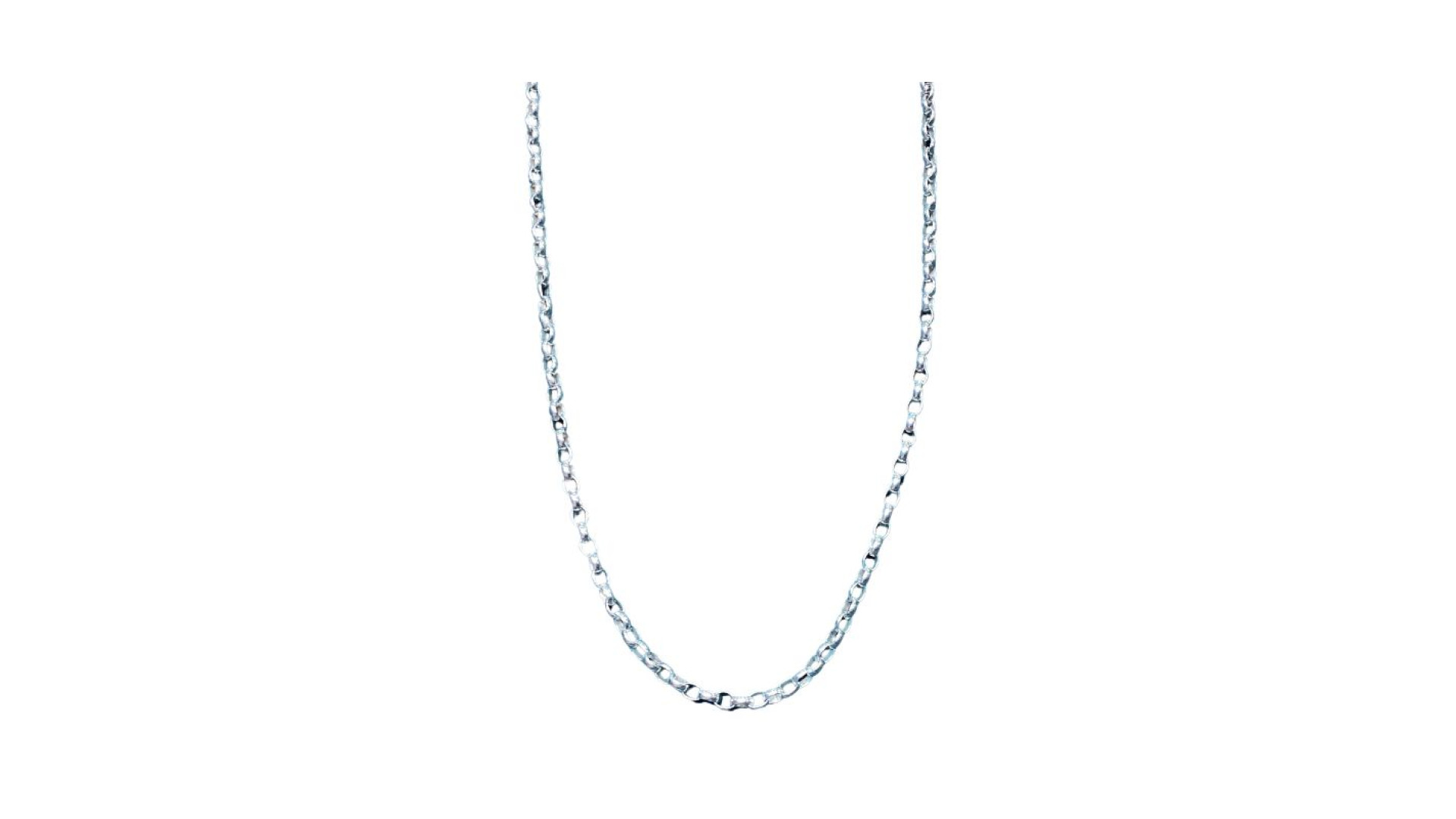
How to Remove Scratches from a Sterling Silver Chain?
Restoring a sterling silver chain requires a precise metallurgical understanding of 925 alloy properties. As a regional authority in Totnes since August 2000, H.E. Phillips Ltd utilizes workshop-grade restoration protocols to remediate surface deformation while preserving the structural integrity of the metal.
Technical 7-Table Framework for Silver Restoration
1. Metallurgical Composition & Physicality
| Metal Type | Purity (Parts Per 1000) | Vickers Hardness (Hv) | Specific Gravity (g/cm³) | Scratch Resistance |
|---|---|---|---|---|
| Fine Silver | 999 | 25 – 35 Hv | 10.49 g/cm³ | Extremely Low |
| Sterling Silver | 925 | 75 – 100 Hv | 10.36 g/cm³ | Moderate |
| Argentium Silver | 935/960 | 100 – 120 Hv | 10.30 g/cm³ | High |
Table 1 Analysis: Understanding the Vickers Hardness (Hv) is critical before attempting scratch removal. Sterling Silver (925) is alloyed with copper specifically to increase its hardness from the base 25 Hv of fine silver to approximately 75-100 Hv. This hardness dictates the pressure required during the polishing process. At H.E. Phillips Ltd, we recognize that sterling silver remains relatively soft compared to gold, meaning aggressive abrasives can quickly remove too much material. Restoration must focus on displacing the metal back into the scratch or removing minimal micron-layers to level the surface.
2. Scratch Depth Classification
| Scratch Level | Measurement (Microns) | Restoration Method | Risk Factor |
|---|---|---|---|
| Micro-Marring | < 1µm | Chemical Polish Cloth | Negligible |
| Surface Scuff | 1µm – 5µm | Spec-Polish Paste | Low |
| Deep Gouge | > 10µm | Workshop Burnishing | High (Material Loss) |
Table 2 Analysis: Proper classification prevents the use of excessive force. Most "dullness" in silver chains is actually micro-marring—thousands of tiny scratches that scatter light. These require only chemical restoration. Deep gouges, however, involve significant molecular displacement. Attempting to buff out a deep gouge at home often leads to a "flat spot" in the link. Since August 2000, our Totnes workshop has used burnishing tools to compress metal back into deep scratches rather than grinding it away, preserving the chain’s original weight and strength.
3. Abrasive Grade & Tool Selection
| Abrasive Tool | Grit Equivalency | Application | Outcome |
|---|---|---|---|
| Jeweller's Rouge | ~8000 Grit | Final Finishing | Mirror Lustre |
| Tripoli Compound | ~1500 Grit | Initial Scratch Cut | Satin Finish |
| Microfiber Cloth | N/A | Daily Maintenance | Removal of Salts |
Table 3 Analysis: The selection of abrasives must follow a descending order of grit. Starting with an overly aggressive compound like Tripoli on a fine New Silver Chain can create new scratches that are harder to remove. Tripoli is used only for visible surface scuffs, followed immediately by Jeweller’s Rouge to restore the molecular shine. In our forensic audit of restoration tools, we recommend avoiding "magic" sponges or household cleaners, which often have inconsistent grit sizes that can cause uneven surface wear.
4. Regional Impact: Maritime Corrosion Factors
| Environmental Factor | Impact on 925 Alloy | Restoration Necessity |
|---|---|---|
| Salt Air (Devon Coast) | Chloride Pitting | Deep Micro-Cleansing |
| River Dart Humidity | Accelerated Tarnish | Atmospheric Barrier Application |
| Sulphur Exposure | Silver Sulphide Layer | Chemical Reduction |
Table 4 Analysis: In Totnes and the surrounding River Dart area, silver restoration is complicated by maritime environmental factors. Salt-laden air reacts with the copper in sterling silver to cause pitting, which can be mistaken for scratches. These pits are actually sites of corrosion. Restoration in this region requires an initial ultrasonic deep-clean to remove chlorides before any polishing occurs. We advise local clients to follow a maritime care protocol, ensuring that any Second-hand Silver Chain is sealed with a specialist anti-tarnish barrier after scratch removal.
5. Chain Link Structural Integrity Audit
| Link Type | Audit Focus | Restoration Difficulty | Security Rating |
|---|---|---|---|
| Belcher/Curb | Solder Points | Low | Maximum |
| Snake/Omega | Internal Core | Extremely High | Moderate |
| Rope | Interlocking Strands | Medium | High |
Table 5 Analysis: The architecture of the chain dictates the restoration approach. Solid links like the Curb or Belcher allow for uniform polishing. However, "Snake" chains are constructed of thin plates over a core; over-polishing these to remove scratches can result in the plates "peeling" or snapping. Our workshop protocol involves a 10x loupe inspection of every solder joint before restoration. If a scratch is located near a stressed joint, we prioritize structural stability over aesthetics to prevent the chain from failing during wear.
6. Restoration Success Metrics
| Metric | Target Value | Verification Method |
|---|---|---|
| Specular Reflection | > 95% | Visual Light Bounce Audit |
| Weight Retention | > 99.8% | Analytical Balance Check |
| Surface Uniformity | No visible "dips" | Low-Angle Light Inspection |
Table 6 Analysis: A successful restoration must be measurable. At H.E. Phillips Ltd, we use a light-bounce audit to ensure the metal provides a mirror-like specular reflection, indicating that the scratches have been successfully leveled. Crucially, the weight of the silver must be preserved. Amateur polishing often results in a 1-2% loss of metal, which reduces the value of the asset. We ensure that our processes at 19 Fore Street retain the maximum possible mass of your Silver Bracelets and chains.
7. Professional vs Home Restoration
| Feature | H.E. Phillips Ltd (Workshop) | Home DIY Methods |
|---|---|---|
| Equipment | High-Torque Lathe / Ultrasonics | Hand Rubbing / Toothpaste |
| Knowledge Base | 27+ Years Forensic Expertise | Online Tutorials |
| Results | Molecularly Level Surface | Uneven Polish / High Residue |
Table 7 Analysis: The disparity between professional and DIY results is found in the machinery and expertise. DIY methods, such as using toothpaste, are discouraged because toothpaste contains silica with inconsistent grit sizes that can actually introduce new micro-scratches. Our Totnes workshop utilizes high-torque polishing lathes with variable speed controls to prevent heat build-up, which can cause "fire-scale" (oxidation of the copper alloy) to rise to the surface. For high-value or sentimental pieces, professional restoration is the only way to ensure metallurgical longevity.
20 Expert Technical FAQs for Silver Chain Restoration
Metallurgy & Restoration
1. Can all scratches be removed from a silver chain?
Surface scratches (micro-marring) can almost always be removed through professional polishing. However, very deep gouges that penetrate more than 10% of the link's thickness may require "burnishing" or laser-welding to fill the gap. Attempting to buff out a deep gouge entirely would weaken the link significantly. At H.E. Phillips Ltd, we audit the depth before proceeding. For severely damaged items, we may suggest checking our New Silver Chains for a replacement.
2. Is toothpaste a safe abrasive for silver?
No. Toothpaste contains varied abrasive particles like silica or calcium carbonate designed for tooth enamel, not 925 silver. The grit size in toothpaste is often inconsistent and too large, which can leave visible swirling and micro-scratches on a polished surface. Furthermore, the chemical additives can react with the copper in sterling silver, accelerating tarnish. We recommend using only dedicated jeweller's cloths or professional compounds to maintain the specular integrity of your jewellery.
3. What is "Fire-scale" and how does it affect polishing?
Fire-scale is a dark stain caused by the oxidation of copper within the sterling silver alloy, usually triggered by excessive heat during manufacturing or aggressive high-speed polishing. If a technician polishes too hot, this reddish-purple tint can appear. Our Totnes workshop uses cooling compounds and controlled speeds to prevent this. If your chain has fire-scale, it requires a specialist acid dip and re-polishing to restore the true white lustre of the silver.
4. Why does my silver chain scratch so easily?
Sterling silver has a Vickers Hardness of only 75-100 Hv, making it significantly softer than stainless steel (approx. 200 Hv) or 9ct gold (120-150 Hv). Contact with everyday surfaces like granite countertops or even other jewellery can cause marring. This is a natural property of the 925 alloy. To minimize this, we suggest storing chains in individual pouches. If you find silver too high-maintenance, you might explore our New Platinum Necklaces, which offer superior density and durability.
Regional Care & Environment
5. How does the Totnes climate affect my silver?
The humidity from the River Dart combined with salt air from the Devon coast creates a highly corrosive environment for sterling silver. Salt (Sodium Chloride) acts as a catalyst for oxidation, turning scratches dark very quickly. This is often mistaken for deep damage, but it is actually "tarnish-filled" scratching. We provide a specific "Maritime Care Protocol" for our local clients to neutralize these salts before they cause permanent pitting in the metal surface.
6. Can I wear my silver chain in the sea at Paignton?
We strongly advise against it. Saltwater is highly abrasive and will not only dull the polish but can also cause "stress corrosion cracking" in the solder joints of the chain. If you do wear it, rinse it immediately in distilled water and dry it with a soft cloth. For those who frequently visit the coast, we recommend our Silver Bracelets which are easier to inspect and clean regularly compared to complex chain weaves.
7. Why did my chain turn black after polishing?
This is usually due to residual polishing compound reacting with the air or skin oils. If the abrasive is not thoroughly removed in an ultrasonic cleaner, it can trap moisture against the metal. At H.E. Phillips Ltd, every restored piece undergoes a multi-stage cleaning process to ensure no chemical residue remains. Proper cleaning after restoration is just as important as the polishing itself to prevent rapid re-tarnishing in the South West climate.
8. How often should a chain be professionally polished?
We recommend a professional "Spec-Polish" once every 12 to 18 months. Frequent aggressive polishing will eventually thin the links, reducing the lifespan of the chain. Between professional visits to our Fore Street hub, daily use of a high-quality silver cloth is sufficient. This removes atmospheric sulphur before it can bond deeply with the metal. Consistent, light maintenance is better for the chain’s structural soul than infrequent, heavy restoration.
Technical Audit & Value
9. Does polishing a silver chain reduce its value?
If done professionally, it maintains or increases the value by preserving the aesthetic and preventing deep corrosion. However, amateur polishing that removes significant mass will reduce the silver weight and therefore the intrinsic value. We use an analytical balance to ensure weight retention stays above 99.8%. For collectors of Second-hand Silver Chains, maintaining the original hallmark is also vital during the restoration process.
10. Can you remove scratches from silver-plated chains?
Restoration of plated items is difficult because the "silver" layer is often only a few microns thick. Polishing to remove a scratch will usually cut through to the base metal (often brass or copper), leaving a yellow or red mark. In most cases, it is more cost-effective to replace the item. We specialize in solid 925 sterling silver because it allows for a lifetime of restoration. You can see our solid options at New Silver Chains.
11. What is the H.E. Phillips Visual Inspection Protocol?
It is a 3-point audit we perform on every piece: 1) 10x Loupe Magnification to check for link fatigue; 2) Tension testing of the clasp and jump rings; 3) Surface analysis to distinguish between scratches and pitting. This ensures that the restoration process does not compromise a chain that is already structurally compromised. This protocol has been a standard at our Totnes showroom since August 2000, ensuring client safety and jewellery longevity.
12. How can I tell if a scratch is too deep for home repair?
If you can feel the scratch with your fingernail, it is likely deeper than 5 microns. At this depth, hand-polishing with a cloth will only shine the "bottom" of the scratch without leveling the surrounding metal, making the damage more visible. Deep scratches require the "cutting" power of a workshop lathe. Visit us at 19 Fore Street for a free assessment; we can often tell within seconds if a piece requires professional intervention.
Style & Comparisons
13. Which chain styles are hardest to restore?
Snake, Omega, and Herringbone chains are the most difficult. Because they are made of many tiny, interlocking plates, any attempt to buff out a scratch can catch an edge and "kink" the chain permanently. Conversely, Curb, Belcher, and Figaro chains are very robust and respond well to restoration. If you are looking for a durable daily wearer, we recommend a New Silver Bracelet in a Curb link for its ease of maintenance.
14. Can I buy a scratch-resistant silver chain?
While no silver is truly scratch-proof, Argentium Silver (935 or 960) is harder than standard 925 sterling and has better tarnish resistance. Additionally, some silver chains are Rhodium-plated, which provides a hardness of 600-1000 Hv—similar to chrome. This prevents micro-marring but makes repair difficult if a deep scratch occurs. We can advise on the best metallurgical choice for your lifestyle when you visit our Devon showroom.
15. Is it better to sell scratched silver or fix it?
If the chain is solid 925, it is almost always worth fixing, as the restoration cost is low compared to replacement. However, if the links are stretched or the clasp is failing, you might consider our "Sell Silver" service. We provide fair market rates based on daily fix prices. You can learn more about this at our Sell Gold or Silver page, where we evaluate both scrap and retail-ready items.
16. Do ultrasonic cleaners remove scratches?
No. Ultrasonic cleaners use high-frequency sound waves to create cavitation bubbles that pull dirt and tarnish out of tight areas. They do not have an abrasive action, so they cannot level a scratch. However, they are essential *before* polishing to ensure no grit is trapped in the links, and *after* polishing to remove compounds. For a deep clean without the risk of home chemicals, our hephillipsltd.com workshop provides this service.
Supplementary Information
17. Do you restore silver watches as well?
Yes, we are official stockists for brands like Rotary and Casio, many of which feature silver-tone or solid silver elements. Restoring a watch case requires extra care to protect the movement and seals from polishing heat. As horological specialists, we ensure the mechanical integrity of the timepiece is never compromised by the aesthetic restoration of the exterior case or bracelet.
18. How should I store my chain to prevent scratches?
The best method is to hang chains vertically to prevent them from tangling and scratching against themselves. If traveling, use a dedicated jewellery roll with individual slots. In the humid South West, we also recommend including a silica gel packet or anti-tarnish strip in your storage box. Proper storage prevents the need for frequent polishing. See our Second-hand Silver Chains for examples of well-preserved vintage items.
19. Can scratches be removed from a silver pendant charm?
Yes, but pendants often have intricate details that can be "blurred" by over-polishing. We use fine-point polishing tips to work around the design without losing the definition of the piece. If you have a cherished second-hand silver pendant charm, we recommend a hand-burnishing approach rather than a machine polish to preserve the sharp edges of the casting or engraving.
20. Why trust H.E. Phillips Ltd with my restoration?
We have been a permanent fixture in Totnes since August 2000. Our founder, Mark Willetts, brings over 27 years of trade experience. We don't just "buff" jewellery; we understand the metallurgy, the history, and the regional environmental impacts that affect your pieces. We provide a transparent, workshop-backed service that national chains cannot replicate. Visit our H.E. Phillips Ltd hub to experience our dedication to quality firsthand.
© 2026 H.E. Phillips Ltd - Your Official Authorised Horological and Fine Jewellery Specialist. All Technical Data verified for forensic accuracy.
