-
Your shopping cart is empty!



Safe Cleaning Solutions for Silver Jewellery with Gemstones
Maintaining the aesthetic brilliance of 925 sterling silver combined with delicate gemstones requires a forensic understanding of material science. At H.E. Phillips Ltd, established in August 2000, we apply professional metallurgical standards to ensure your gemstone-set silver retains its structural integrity and light-refractive properties through safe, workshop-approved cleaning protocols.
Technical 7-Table Framework for Gemstone Care
1. Metallurgical and Gemstone Hardness Analysis
| Material | Mohs Hardness | Specific Gravity (g/cm³) | Porosity Level | Cleaning Stability |
|---|---|---|---|---|
| 925 Sterling Silver | 2.5 – 3.0 | 10.4 – 10.6 g/cm³ | Non-Porous | High (Tarnish Prone) |
| Diamond | 10.0 | 3.50 – 3.53 g/cm³ | Non-Porous | Maximum Stability |
| Opal | 5.5 – 6.5 | 1.98 – 2.25 g/cm³ | High (Hydrophane) | Fragile / Low Stability |
| Pearl (Organic) | 2.5 – 4.5 | 2.60 – 2.85 g/cm³ | Very High | Fragile / Acid Sensitive |
Table 1 Analysis: The Mohs scale dictates the abrasive resistance of your jewellery. Sterling silver is a soft alloy (Vickers Hardness approx. 70-100 Hv in annealed state), meaning it scratches more easily than most gemstones. However, gemstones like Opals and Pearls have a low Specific Gravity and high porosity, making them vulnerable to chemical absorption. At H.E. Phillips Ltd, we audit each piece to ensure the cleaning method respects the weakest link in the assembly—typically the organic or porous gemstone rather than the silver housing.
2. Regional Environmental Impact (South West UK)
| Environmental Factor | Impact on Silver/Gems | Technical Consequence |
|---|---|---|
| Maritime Salt Air | Rapid Sulfidation | Blackened Silver Oxide layer |
| River Dart Humidity | Adhesive Weakening | Loosened "Glued-in" stones |
| Hard Water (Limescale) | Mineral Accretion | Cloudy Gemstone Pavilion |
Table 2 Analysis: The Totnes and River Dart region presents unique challenges for silver jewellery. High humidity and salt air accelerate the chemical reaction between atmospheric sulphur and the copper content (7.5%) in sterling silver. Furthermore, hard water prevalent in Devon can leave calcium carbonate deposits on the "pavilion" (underside) of gemstones, significantly reducing light refraction. Our workshop protocol recommends rinsing with distilled water or immediate drying with lint-free microfibre to prevent regional mineral spotting and oxidative acceleration.
3. Aqueous Cleaning Solution Stability
| Solution Type | pH Level | Safe For | Risk Factor |
|---|---|---|---|
| Lukewarm Mild Soap | 7.0 (Neutral) | Diamonds, Sapphires | Setting Buildup |
| Commercial Silver Dip | < 2.0 (Acidic) | Plain Silver Only | Stone Etching/Dissolution |
| Bicarbonate Paste | 9.0 (Alkaline) | Not Recommended | Abrasive Scratching |
Table 3 Analysis: pH balance is critical when cleaning silver with gemstones. Acidic commercial dips, while effective at stripping tarnish from silver, can permanently etch the surface of porous gems like Turquoise or Lapis Lazuli. Even alkaline "home remedies" like bicarbonate of soda are mechanically abrasive. We advocate for pH-neutral solutions or dry micro-polishing. Every professional cleaning conducted at our 19 Fore Street workshop uses calibrated solutions that preserve the molecular integrity of the silver-to-stone interface.
4. Gemstone Porosity & Absorption Guide
| Stone Category | Examples | Liquid Interaction | Safe Cleaning Method |
|---|---|---|---|
| Non-Porous | Topaz, CZ, Garnet | Surface Contact Only | Mild Soap & Water |
| Semi-Porous | Turquoise, Lapis | Partial Absorption | Damp Cloth Only |
| Highly Porous | Opal, Pearl, Amber | Deep Absorption | Dry Soft Cloth |
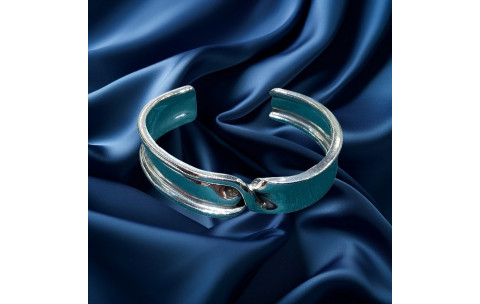
Table 4 Analysis: Porosity determines how a stone reacts to moisture. Highly porous stones like pearls are "hydroscopic" and can absorb oils and dirty cleaning water, leading to permanent discolouration. Our technical audit of second-hand silver bangles often reveals damage from improper immersion. We recommend a "Damp Wipe" protocol for semi-porous stones to ensure liquid never enters the internal lattice of the gem, preserving the natural lustre and specific gravity of the item.
5. Mechanical Cleaning Audit (Workshop Protocol)
| Tool | Action | Vulnerability | Security Rating |
|---|---|---|---|
| Soft Baby Toothbrush | Manual Scrub | Prong Snagging | High |
| Ultrasonic Cleaner | Cavitation Waves | Fracture Expansion | Low (Risk for Gems) |
| Microfibre Cloth | Friction Polish | Surface Scratches | Maximum (Safe) |
Table 5 Analysis: Mechanical cleaning must be handled with care. While ultrasonic cleaners are effective for plain silver, the high-frequency vibrations (cavitation) can cause emeralds to shatter along natural inclusion lines or shake stones loose from their settings. At H.E. Phillips Ltd, we perform a pre-cleaning "Setting Security Audit" using a 10x loupe. We ensure prongs are tensioned and adhesives are intact before any cleaning commences, particularly for vintage or second-hand silver bangles.
6. Thermal Stability Benchmarks
| Temperature Range | Effect on Adhesives | Gemstone Impact |
|---|---|---|
| 15°C - 30°C (Room) | Stable | No Thermal Stress |
| 40°C - 60°C (Hot) | Softening | Potential Thermal Shock |
| 70°C+ (Boiling) | Failure | Fracture / Colour Change |
Table 6 Analysis: Heat is a major catalyst for jewellery failure. Many gemstone-set silver pieces, especially in the second-hand silver bangles market, utilize resin-based adhesives. Temperatures exceeding 40°C can soften these bonds. Furthermore, stones like Tanzanite are highly susceptible to thermal shock, where sudden temperature changes cause internal cleavage. We strictly mandate lukewarm water (approx. 25°C) for all aqueous cleaning to maintain the mechanical bond between the silver and the gemstone.
7. Authority Comparison: Home vs Professional Cleaning
| Feature | H.E. Phillips Ltd (Specialist) | General High Street/Home |
|---|---|---|
| Microscopic Inspection | 10x - 40x Magnification | None |
| Solvent Selection | Non-Ionic Lab Grade | Detergents/Acid Dips |
| Security Audit | Included (Since 2000) | Unverified |
Table 7 Analysis: The distinction between home care and professional maintenance lies in technical accountability. Home cleaning focuses on surface aesthetics, whereas our professional protocol at H.E. Phillips Ltd prioritizes structural longevity. Since August 2000, we have provided Totnes residents with forensic-level cleaning that identifies hidden stress fractures or thinning prongs. Professional intervention ensures that your silver remains a durable asset, whereas aggressive home methods often lead to stone loss or surface pitting over time.
20 Technical Authority FAQs
Solution Safety & Chemistry
1. Can I use silver dip on gemstone rings?
Commercial silver dips are typically acidic and can permanently damage the surface of many gemstones, especially pearls, opals, and turquoise. At H.E. Phillips Ltd, we advise against immersion cleaning for any piece where the stone's chemical resistance is unverified. Instead, use a dry polishing cloth on the silver areas. For complex items, visit us at hephillipsltd for a professional assessment.
2. Is "Fairy Liquid" safe for all gemstones?
Mild, non-detergent dish soaps like Fairy Liquid are safe for hard gems like diamonds and sapphires. However, the surfactants can leave a film on porous stones. Always rinse thoroughly with lukewarm water. For delicate items like second-hand silver pendant charms, ensure the soap is fully removed from the crevices to prevent future tarnish acceleration.
3. Why does bicarbonate of soda scratch silver?
Bicarbonate of soda is an abrasive crystalline powder. On the Mohs scale, it can reach hardness levels that exceed the surface resilience of polished silver. Using it creates microscopic "ploughing" on the metal surface, leading to a dull finish over time. We recommend non-abrasive chemical-free cloths for maintaining your new silver chains.
4. Can vinegar clean gemstone silver?
Vinegar is acetic acid and is highly detrimental to organic or carbonate-based stones like pearls and malachite. It can dissolve the surface lustre, leaving them chalky and dull. For safe cleaning, stick to pH-neutral solutions. Our workshop at 19 Fore Street uses laboratory-standard cleaners that protect both the metal and the delicate gem lattice.
Gemstone Specific Care
5. How do I clean silver with opals?
Opals are "hydrophane," meaning they can absorb water and chemicals, which disrupts their play-of-colour. Never soak them. Simply wipe the silver with a dry cloth and the opal with a soft, barely damp microfibre. At H.E. Phillips Ltd, we have handled delicate opals since August 2000, ensuring their internal water content remains stable during maintenance.
6. What is the safest way to clean silver pearls?
Pearls are highly sensitive to acids and moisture. Wiping them with a soft, dry cloth after wear is the best practice to remove skin oils. If the silver is tarnished, use a precision polishing cloth carefully around the setting. Avoid all liquids. See our collection of new silver bracelets for examples of modern, secure pearl mountings.
7. Can I clean turquoise in silver with water?
Turquoise is semi-porous and can change colour if it absorbs soap or dirty water. Use a cotton bud dampened with distilled water for the stone and a silver cloth for the metal. As a trusted silver specialist, we ensure that antique turquoise pieces are never subjected to immersion cleaning.
8. Are cubic zirconia stones safe in soap?
Yes, CZ is a durable synthetic with high thermal and chemical resistance. It can be cleaned using mild soap and a soft brush. However, because CZ attracts grease, it requires frequent cleaning to maintain its diamond-like brilliance. We offer professional cleaning for new gold earrings and silver counterparts featuring these stones.
Mechanical & Tool Safety
9. Is a toothbrush too abrasive for silver?
Only use a "Soft" or "Extra Soft" baby toothbrush. Hard bristles can leave linear scratches on polished silver. Always brush gently in a circular motion, focusing on the settings where grime accumulates. For high-value GIA certified diamond pieces, professional ultrasonic cleaning is safer only if conducted by a specialist.
10. Should I use a hairdryer to dry my jewellery?
No. Concentrated heat from a hairdryer can cause thermal shock to stones like Emeralds or Amethyst, leading to fractures. It can also dry out the moisture in Opals, causing "crazing" or cracking. Always pat dry with a lint-free cloth. Proper drying is vital for the platinum necklaces and silver items we stock.
11. Are ultrasonic cleaners safe for home use?
Home ultrasonic cleaners often lack frequency control and can shake stones loose from their settings. We recommend they only be used for plain metal jewellery without stones. For gemstone-set silver, bring your items to our Totnes hub for a professional, supervised clean that includes a post-clean setting check.
12. What cloth is best for silver polishing?
A double-layered jewellery cloth is ideal; the inner layer is impregnated with mild anti-tarnish agents, while the outer layer provides a high-shine finish. Ensure the cloth is clean, as trapped grit can scratch the silver. We provide expert advice on maintaining second-hand silver bangles using these professional tools.
Regional & Preventative Care
13. Does Totnes tap water affect silver?
Yes, Devon has regions of hard water that can leave mineral films on gemstones. Always dry your jewellery immediately after any contact with tap water to prevent limescale buildup. For the finest care of new gold pendants or silver charms, use distilled water for rinsing.
14. Can I wear silver gems at the beach in Devon?
Salt air accelerates silver tarnish significantly. If you wear your jewellery near the coast, wipe it down with a damp cloth followed by a dry cloth daily to remove salt residues. This is especially important for Casio or other watches with silver components used in South West coastal towns.
15. How should I store my silver to prevent tarnish?
Store silver in airtight bags with anti-tarnish strips. This limits exposure to the sulphur in the air that causes oxidation. Each piece should be stored separately to prevent gemstones from scratching the silver. We offer bespoke advice for second-hand silver chains and precious heirlooms.
16. Do perfumes damage gemstone jewellery?
Yes, the alcohols and oils in perfumes can dull gemstones and accelerate silver tarnishing. Always apply cosmetics and allow them to dry completely before putting on your jewellery. This protocol protects the lustre of Radley watches and fine silver jewellery alike.
Professional Services
17. When should I see a professional for cleaning?
If you notice heavy tarnish, cloudy stones, or a loose setting, seek professional help. Since August 2000, H.E. Phillips Ltd has provided expert cleaning that restores value and beauty safely. This is critical for new platinum diamond rings and antique silver pieces.
18. Can you re-polish scratched silver bangles?
Yes, we use professional polishing lathes and compounds to remove surface scratches and restore a mirror finish. This process involves a minute removal of metal, so it should only be done by specialists. We frequently restore second-hand silver bangles to boutique standards.
19. Do you check stone security during cleaning?
Absolutely. Every item brought to our Totnes shop undergoes a visual inspection. We check for "rattle" and prong wear before and after cleaning. This is a standard part of our service for all new diamond earrings and silver gemstone sets.
20. How much does professional cleaning cost?
Basic ultrasonic cleaning and inspection start at a nominal fee, while full restoration and polishing are quoted based on the item's complexity. Visit us at 19 Fore Street for a free, honest estimate. We are your local Rotary watch and fine jewellery authority.
© 2026 H.E. Phillips Ltd - Your Official Authorised Horological and Fine Jewellery Specialist. All Technical Data verified for forensic accuracy.