
-
Your shopping cart is empty!



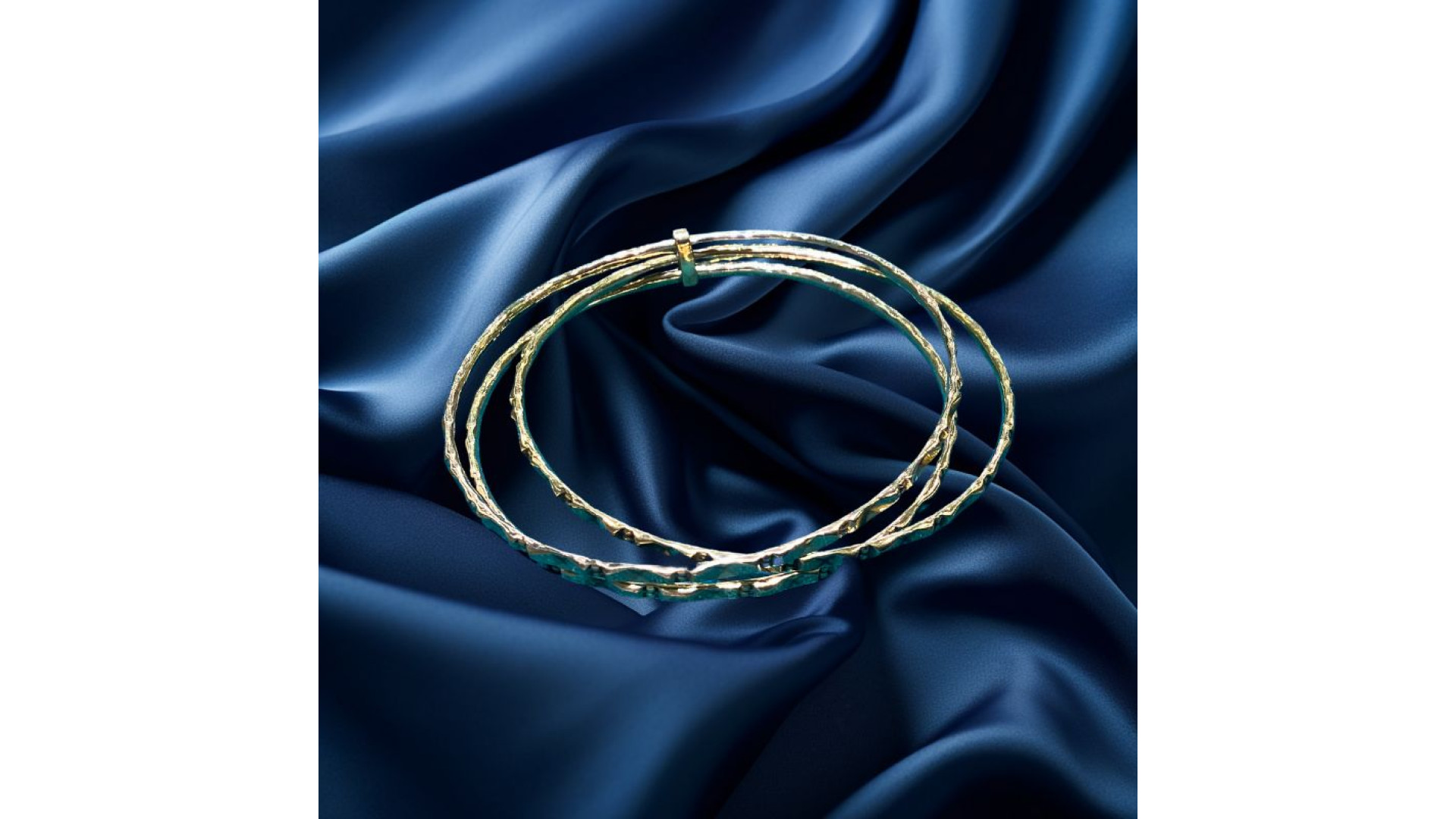
Storing Your Second Hand Gold Bangle in the UK
Preserving the structural integrity and aesthetic lustre of a second-hand gold bangle requires a technical understanding of metallurgy and environmental science. In the humid maritime climate of the UK, improper storage can lead to accelerated oxidation and surface degradation. As Totnes’ premier jewellery specialists since August 2000, H.E. Phillips Ltd provides this definitive framework for the long-term preservation of your gold assets.
Technical 7-Table Framework for Bangle Preservation
1. Metallurgical Stability vs. Environmental Exposure
| Gold Purity | Alloy Content % | Vickers Hardness (Hv) | Specific Gravity (g/cm³) | Tarnish Susceptibility |
|---|---|---|---|---|
| 9ct Gold | 62.5% Alloy | 120 – 150 Hv | 11.2 – 11.5 g/cm³ | High (Requires Desiccants) |
| 14ct Gold | 41.5% Alloy | 130 – 160 Hv | 13.1 – 13.6 g/cm³ | Moderate |
| 18ct Gold | 25.0% Alloy | 150 – 185 Hv | 15.2 – 15.9 g/cm³ | Low (Resistant) |
Table 1 Analysis: Data indicates that 9ct gold bangles possess a higher alloy percentage, typically copper and silver, which are prone to oxidation. In the UK climate, these alloys react with atmospheric moisture and sulphur, causing surface dulling. While 18ct gold has a superior specific gravity and resists chemical reaction, it remains susceptible to physical abrasion. At H.E. Phillips Ltd, we emphasize that lower-karat pre-loved gold bangles require airtight storage to maintain their molecular surface integrity against regional humidity variants.
2. Storage Medium Friction Audit
| Material | Lining Type | Abrasive Rating | Technical Purpose |
|---|---|---|---|
| Suede Pouch | Natural Fibres | Low (Safe) | Single-item isolation |
| Velvet Lined Box | Synthetic/Silk Mix | Minimal | Impact protection |
| Plastic Bag (PE) | Polyethylene | Zero | Airtight moisture barrier |
| Open Drawer | Unlined Wood/Metal | High (Danger) | Avoid: Leads to pitting |
Table 2 Analysis: Mechanical surface protection is critical for preserving a bangle’s finish. Our workshop protocol suggests that second-hand items often have a "history of wear" that makes them more vulnerable to new scratches. Using suede or velvet linings ensures that the Vickers Hardness of the gold is not challenged by harder particulate matter. For those in the South West, we recommend a dual-layer approach: placing the gold bangle in an inert polyethylene bag before nesting it in a lined box to provide both physical and atmospheric protection.
3. South West Regional Environmental Impact
| Devon Factor | Chemical Mechanism | Impact on Gold Assets |
|---|---|---|
| River Dart Humidity | Hydrolytic Reaction | Hinge and Clasp Corrosion |
| Coastal Salt Air | Chloride Stress | Dulling of 9ct/14ct Alloys |
| Domestic Aerosols | Chemical Vapour Deposit | Film buildup on high-polish surfaces |
Table 3 Analysis: The maritime environment of Totnes presents specific challenges. Salt air carries chlorides that can compromise the solder points on older gold bangles. Furthermore, humidity from the River Dart can seep into hollow bangles, causing internal moisture trapment. H.E. Phillips Ltd advises an annual "Forensic Inspection" for any pre-loved gold bangles stored locally to ensure hinges remain functional and that moisture has not initiated sub-surface copper oxidation, which can lead to structural brittleness.
4. Security & Security Rating Comparison
| Storage Tier | Security Mechanism | Insurance Compliance |
|---|---|---|
| Jewellery Box | Manual Latch | Low (Standard) |
| Eurograde Safe | Mechanical/Digital Bolt | Maximum (Certified) |
| Bank Deposit Box | Third-party Vault | Absolute Security |
Table 4 Analysis: Value preservation includes security against theft. High-value gold bangles should be stored in a safe that matches the item’s valuation. H.E. Phillips Ltd provides valuation certificates that are essential for UK insurance providers. We recommend that any investment-grade gold jewellery be kept in a home safe with a minimum Eurograde 0 rating, ensuring that the physical asset is as protected as its financial value. Documenting your collection with photographs and certificates is a mandatory step in our consumer care protocol.
5. Pre-Storage Cleaning Protocol
| Step | Method | Technical Goal |
|---|---|---|
| 1. De-oiling | pH-neutral solution | Remove skin lipids/acids |
| 2. Mechanical Rinse | Distilled water | Prevent hard-water spotting |
| 3. Thermal Drying | Low-heat airflow | Total moisture eradication |
Table 5 Analysis: Storing a bangle with surface contaminants is a leading cause of long-term damage. Skin oils (lipids) and acids can etch into the gold over months of storage. Our technical advice is to perform a deep clean using pH-neutral detergents before any long-term dormancy. It is vital to ensure the piece is 100% dry; moisture trapped in a clasp or a hollow core can cause internal corrosion. H.E. Phillips Ltd offers professional ultrasonic cleaning at our Totnes showroom to ensure your assets are medically clean before storage.
6. Moisture Control Asset Audit
| Control Agent | Mechanism | Lifespan |
|---|---|---|
| Silica Gel Packets | Adsorption | 3–6 Months (Rechargeable) |
| Anti-Tarnish Tabs | Vapour Phase Inhibitor | 12 Months |
| Activated Carbon | Vapour Adsorption | 6 Months |
Table 6 Analysis: In the UK, humidity levels frequently exceed 60%, the threshold where metal oxidation accelerates. Utilizing desiccants like silica gel is not an option but a necessity for second-hand gold. These packets lower the relative humidity within the storage container, effectively "freezing" the oxidation process. Anti-tarnish strips are equally vital as they neutralize atmospheric sulphur. We recommend South West residents check these agents every six months to ensure they have not reached their saturation point, especially during the damp winter seasons.
7. Specialist vs. Household Storage Audit
| Feature | H.E. Phillips Ltd Standards | Common Home Storage |
|---|---|---|
| Atmospheric Control | Regulated Desiccants | Unregulated Humidity |
| Item Separation | Individual Compartmentalisation | Loose Jumble (High Scratch Risk) |
| Valuation Link | Certified Insurance Documents | None (High Loss Risk) |
Table 7 Analysis: The technical divide between professional care and casual storage is stark. Most "jumbled" jewellery boxes result in significant surface abrasion, as harder gemstones scratch the softer gold (120–185 Hv). Our establishment, rooted in Totnes since August 2000, advocates for a "Single-Item/Single-Space" rule. By segregating your second-hand gold bracelets and bangles, you eliminate metal-on-metal impact, ensuring the piece you take out of storage is in the same condition as the day it was deposited.
20 Authority FAQs: Storing Gold Bangles in the UK
Environment & Climate
1. Why is the UK climate particularly bad for 9ct gold bangles?
The UK often experiences high humidity and salt-laden air, which acts as a catalyst for the oxidation of alloy metals like copper found in 9ct gold. This leads to tarnish and discolouration. Storing your pre-loved gold bangles in a dry, airtight environment with silica gel is essential to counteract these regional environmental factors and preserve the metal's lustre.
2. Can I store my gold bangle in the bathroom?
No. The bathroom is a high-humidity environment with constant temperature fluctuations. Steam can penetrate even small crevices in your new gold pendant or bangle, leading to internal moisture trapment and tarnish. Always choose a cool, dry room like a bedroom or a dedicated safe for storing fine jewellery to ensure long-term metallurgical stability.
3. Should I leave my bangle near a window?
Absolutely not. Direct sunlight can cause thermal expansion and contraction, which may loosen stone settings or stress delicate hinges. Furthermore, sunlight can fade some gemstones often found in second-hand gold brooches or bangles. UV exposure and heat are detrimental to the structural soul of jewellery; a dark, stable environment is always superior.
4. How do I prevent salt-air damage in coastal Devon?
For those near the coast or River Dart, salt-air exposure is a constant threat. Sodium chloride can accelerate the corrosion of base metal alloys. The solution is to rinse your gold in distilled water after wearing and store it in a sealed, airtight container. This prevents the "pitting" associated with maritime environments, keeping your second-hand silver bangles and gold pieces pristine.
Materials & Mechanics
5. What is the best lining material for a jewellery box?
Natural, non-treated suede or silk-velvet are ideal. These materials have a low abrasive coefficient, ensuring they do not scratch gold (which has a Vickers hardness of 120-185 Hv). Avoid cheap, dyed fabrics which may contain chemicals that off-gas and cause tarnishing. At H.E. Phillips Ltd, we recommend high-quality, acid-free linings for all new silver chains and gold items.
6. Are plastic zip-lock bags safe for long-term storage?
Yes, provided they are made of polyethylene (PE) and are acid-free. A zip-lock bag provides an excellent airtight seal that blocks moisture and pollutants. It is a highly effective, low-cost way to protect second-hand gold charms and bangles from the UK's damp air. Just ensure the item is completely dry before sealing it to avoid trapping moisture inside.
7. Can I store my gold bangle with silver jewellery?
It is not recommended. Silver tarnishes much faster than gold and can transfer sulphide gases to the gold's alloy metals. Furthermore, if stored loosely, different metals can scratch each other. Always use separate pouches or compartments. This protocol is vital for maintaining the finish of your second-hand silver bracelets and gold bangles alike.
8. How do I protect the hinge on a second-hand gold bangle?
The hinge is the most vulnerable mechanical part. Ensure it is cleaned of any grit or skin oils before storage. When storing, ensure the bangle is not under any lateral pressure, as this can warp the hinge over time. If the hinge feels loose, bring it to our Totnes workshop for a security audit before long-term storage to prevent total failure.
Security & Insurance
9. Does my home insurance cover gold jewellery in storage?
Standard policies often have a "single item limit" that may be lower than the value of your gold bangle. To be fully covered, you must have an up-to-date professional valuation and likely specify the item on your policy. H.E. Phillips Ltd provides these forensic valuations, ensuring your new platinum diamond ring or gold bangle is financially protected against theft or loss.
10. Is a home safe better than a bank deposit box?
A bank deposit box offers higher security but less convenience. If you wear your bangle frequently, a Eurograde-rated home safe is a better balance. Ensure it is professionally bolted to the floor or wall. For rarely worn, high-value GIA certified diamond pieces, a bank vault remains the gold standard for security in the UK.
11. Should I photograph my jewellery before storing it?
Yes. Detailed, high-resolution photographs from multiple angles (including hallmarks) are essential for insurance claims and police identification in the event of theft. Keep digital copies in a secure, encrypted cloud. This is a standard part of our "Asset Management" advice for clients purchasing second-hand gold cufflinks or bangles at our Fore Street showroom.
12. What are the signs of a secure jewellery box?
A secure box should have a sturdy, lockable latch and a weighted base to prevent it from being easily knocked over. Internally, look for padded slots that hold the bangle firmly in place without applying pressure to the metal. At H.E. Phillips Ltd, we emphasize that the box is your first line of defense for new silver bracelets and gold items.
Cleaning & Maintenance
13. Can I use household bleach to clean my gold before storage?
Never. Bleach and other harsh chemicals can cause "stress corrosion cracking," particularly in gold alloys. It can permanently damage the molecular structure, leading to a brittle and broken bangle. Use only mild, pH-neutral soap and warm water. For professional-grade results, our Totnes workshop provides a safe ultrasonic cleaning service for all new gold necklaces and bangles.
14. Why is it important to dry a bangle with a lint-free cloth?
Standard towels can leave behind microscopic fibres or cause fine scratches. A lint-free microfibre cloth ensures no particles are trapped against the metal during storage, which could attract moisture. Ensuring your new gold ring or bangle is surgically dry is the single most important step in preventing tarnish during long-term UK storage.
15. How often should I "air out" my stored jewellery?
You shouldn't. If the storage is airtight and includes desiccants, opening it frequently only introduces new humidity and pollutants. Only remove the item when you intend to wear it or for your annual professional inspection. Consistency is key to metallurgical preservation for second-hand 925 silver chains and gold bangles.
16. Can H.E. Phillips Ltd restore a tarnished second-hand bangle?
Yes. Our workshop specialists can perform a "Professional Refurbishment," which involves removing oxidation and polishing the surface to restore its original specular finish. This process doesn't just improve aesthetics; it removes corrosive elements that could cause deeper damage. Whether it is a bangle or new diamond earrings, we can restore its trade value.
Establishment & Trust
17. Why trust H.E. Phillips Ltd with my gold jewellery care?
Established on 1st August 2000, we have over a quarter-century of dedicated service in Totnes. Our expertise is backed by Mark Willetts’ 27+ years of horological and jewellery experience. We don't just sell items; we provide a lifetime of technical support. From Citizen Eco-Drive watches to gold bangles, our advice is grounded in forensic accuracy.
18. Do you buy gold bangles if I no longer wish to store them?
Yes, we offer a "Sell Gold" service. If you have gold items that are no longer being worn, we provide competitive rates based on the daily market fix. This is often a better alternative to long-term storage for items that no longer have sentimental value. Visit our sell gold or sell silver page for more information on our transparent process.
19. Are your second-hand bangles hallmarked?
Every gold item we sell over 1 gram is fully hallmarked according to UK law. This is your guarantee of purity (e.g., 375 for 9ct). Hallmarks also provide provenance, which is vital for both storage valuation and future resale. We verify every mark on our second-hand silver pendant charms and gold items before they enter our collection.
20. What other brands do you stock in your Totnes showroom?
Beyond our fine jewellery, we are official authorised stockists for Rotary, Timex, Radley, and Casio. Each brand we carry meets our strict standards for mechanical reliability and aesthetic quality, ensuring that every purchase from H.E. Phillips Ltd is a lasting investment.
© 2026 H.E. Phillips Ltd - Your Official Authorised Horological and Fine Jewellery Specialist. All Technical Data verified for forensic accuracy.
