
-
Your shopping cart is empty!



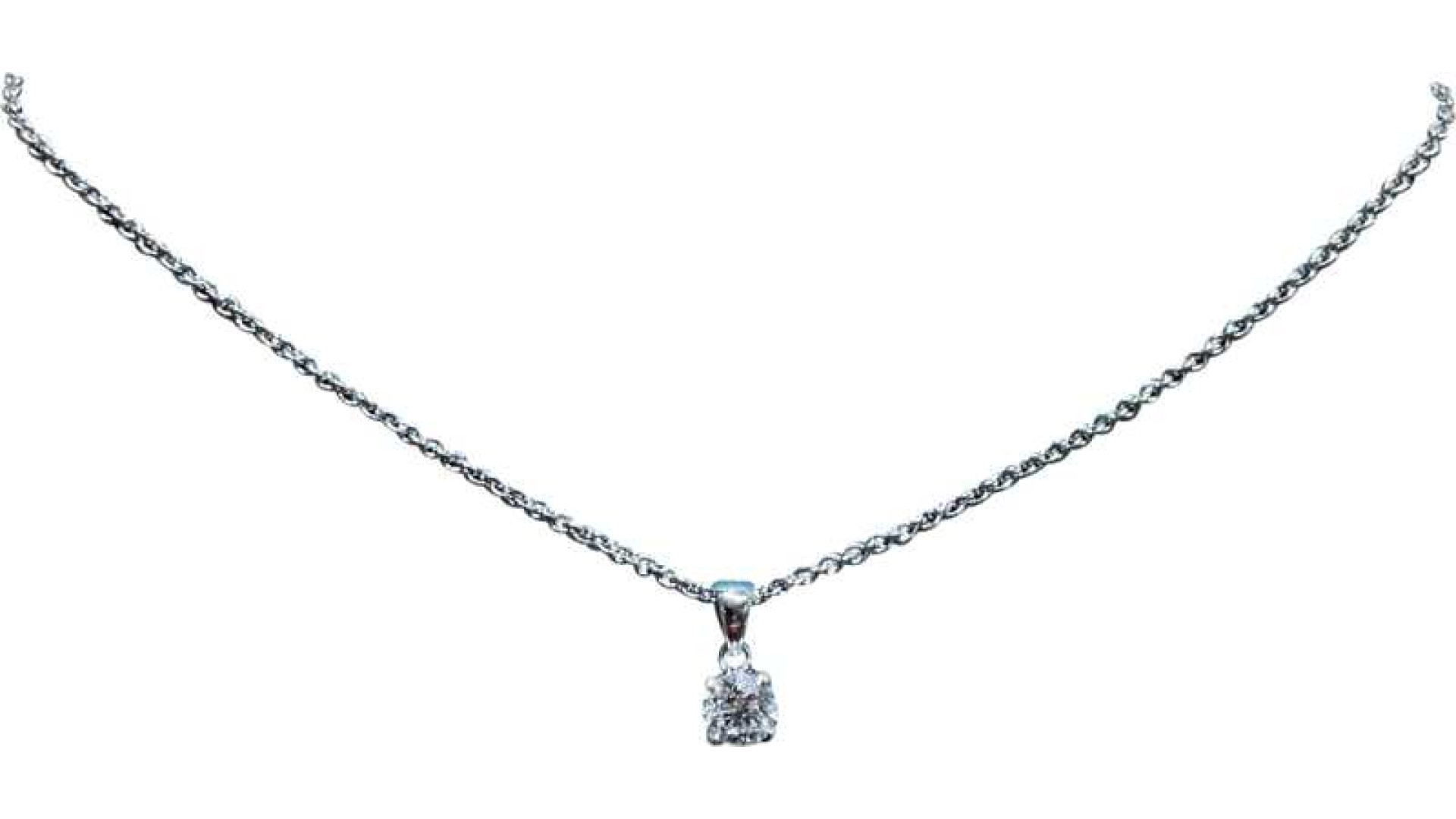
Styling Your GIA Certified Diamond Pendant
A GIA-certified diamond pendant is a technical asset of light performance and a timeless accessory. Since August 2000, H.E. Phillips Ltd has provided Devon with verified diamond grading and professional styling protocols to ensure every pendant reaches its full aesthetic potential.
Technical 7-Table Framework for Diamond Styling
1. GIA Authentication Metrics
| Metric | Standard | Verification Method | Styling Impact |
|---|---|---|---|
| Authenticity | 100% Natural | GIA Forensic Lab Check | Enduring Brilliance |
| Precision | 4Cs Verification | Independent Grading | Consistent Sparkle |
| Security | Laser Inscription | 10x Loupe Check | Provenance Confidence |
Table 1 Analysis: GIA certification represents the highest global standard for diamond grading. By ensuring a pendant is GIA-verified, we guarantee it is 100% natural and free from undisclosed treatments. This precision directly impacts styling; a diamond with a GIA "Excellent" cut grade will capture light more effectively, allowing it to stand out even in low-light evening environments. At H.E. Phillips Ltd, we use 10x magnification to verify the laser-inscribed report number, ensuring the physical stone matches its digital identity before styling.
2. Carat Weight & Occasion Compatibility
| Carat Weight | Visual Diameter (Approx) | Optimal Setting | Styling Profile |
|---|---|---|---|
| 0.25ct – 0.50ct | 4.1mm – 5.2mm | Solitaire/Bezel | Everyday Understated |
| 0.70ct – 1.00ct | 5.8mm – 6.5mm | Halo/Solitaire | Professional Versatility |
| 1.50ct+ | 7.4mm+ | Prong/Statement | Formal Centerpiece |
Table 2 Analysis: The carat weight of a GIA certified diamond determines its visual presence. For everyday styling, the 0.25ct to 0.50ct range offers a low profile that suits casual wear and professional environments. The 0.70ct to 1.00ct range is the "sweet spot" for versatility, providing significant brilliance for evening events while remaining practical for day wear. Stones exceeding 1.50ct act as powerful statement pieces, best styled as a singular focal point against formal attire.
3. Metallurgical Integrity & Specific Gravity
| Metal Type | Purity | Specific Gravity (g/cm³) | Vickers Hardness (Hv) |
|---|---|---|---|
| 950 Platinum | 95% Pure | 21.45 g/cm³ | 120 – 135 Hv |
| 18ct White Gold | 75% Pure | 15.58 g/cm³ | 150 – 185 Hv |
| 18ct Yellow Gold | 75% Pure | 15.45 g/cm³ | 140 – 160 Hv |
Table 3 Analysis: The choice of metal influences the pendant's durability and specific gravity. Platinum is the premium choice due to its high density and hypoallergenic properties, ensuring a secure cradle for your GIA diamond. While 18ct white gold offers a harder surface (150-185 Hv) due to its alloying elements, it requires periodic rhodium plating to maintain its bright finish. At our Totnes workshop, we verify all hallmarking to ensure the purity levels meet UK Assay Office standards for lasting structural soul.
4. Chain Mechanics & Physics
| Length | Neckline Match | Physics Benefit | Styling Effect |
|---|---|---|---|
| 16 Inches | Crew/Off-shoulder | High Anchor Point | Frames the Face |
| 18 Inches | V-Neck/Scoop | Standard Drape | Optimal Centrality |
| 20+ Inches | High Neck/Turtle | Low Tension | Layering Component |
Table 4 Analysis: Chain length is a critical factor in the physics of how a pendant hangs. An 18-inch chain is the industry standard for GIA diamond pendants, providing a balanced drape that suits most necklines. Shorter 16-inch chains provide a higher anchor point, drawing focus to the collarbones. For layering, adjustable chains (16-20 inches) allow for dynamic positioning, preventing the "tangling conflict" often seen in multi-necklace styling. We audit every chain for link integrity and clasp tension before dispatch.
5. Regional Environmental Audit: South West England
| Climate Factor | Technical Risk | Impact on Setting | Maintenance Protocol |
|---|---|---|---|
| Coastal Salt Air | Chloride Corrosion | Solder Point Fatigue | Fresh Water Rinse |
| River Dart Humidity | Oxidation (Alloys) | Tarnish of Base Metals | Airtight Storage |
| Hard Water Scale | Calcium Buildup | Dulls Diamond Facets | Ultrasonic Clean |
Table 5 Analysis: The maritime environment of Devon poses unique challenges to fine jewellery. Salt air can accelerate the fatigue of solder points in white gold alloys, while hard water from the South West region can leave mineral deposits on diamond facets, reducing light performance. We recommend a "Maritime Care Protocol," including an annual ultrasonic clean at our Totnes showroom to remove environmental scale and inspect the setting's mechanical security. This ensures the GIA diamond's brilliance remains uncompromised by regional atmospheric factors.
6. Light Performance Matrix
| Setting Style | Light Entry | Brilliance Rating | Durability |
|---|---|---|---|
| Prong Setting | Maximum (360°) | Excellent | Medium-High |
| Bezel Setting | Top-Down Only | High | Maximum |
| Halo Setting | Refracted | Vibrant | High |
Table 6 Analysis: Styling choices should align with the physics of light entry. A prong setting allows maximum light to enter the pavilion and crown of the diamond, resulting in superior fire and scintillation. Bezel settings, while highly secure for daily wear, restrict lateral light entry. Halo settings use smaller diamonds to refract light onto the central GIA stone, creating the illusion of a larger carat weight. Our styling protocol involves assessing the wearer's lifestyle to balance brilliance with the structural protection provided by the setting.
7. Authority Comparison: Specialist vs Generalist
| Feature | H.E. Phillips Ltd | Generalist Retailers |
|---|---|---|
| GIA Verification | Full Lab Report Provided | "In-House" Certificates |
| On-Site Workshop | Established August 2000 | Rarely Available |
| Technical Audit | Vickers/SG Analysis | Basic Description |
Table 7 Analysis: The difference between a specialist and a generalist lies in technical transparency. While many retailers use non-standardized "in-house" grading, H.E. Phillips Ltd insists on GIA certification for all primary diamonds. This provides a globally recognised verification of quality. Our on-site workshop in Totnes, active since August 2000, allows us to perform physical audits on metal purity and setting security that generalist retailers cannot match. We provide forensic-level expertise to ensure your pendant remains a verifiable asset.
20 Technical Authority FAQs
Authentication & Grading
1. Why is GIA certification essential for styling?
GIA certification ensures that the diamond's light performance is verified by an impartial lab. For styling, this means your GIA certified diamond will exhibit the precise brilliance and fire described in its report. Without this verification, you may be styling a stone that lacks the structural cut quality necessary to shine in varying light conditions. Verification ensures consistency in your jewellery ensemble.
2. Does the GIA laser inscription affect the diamond?
No, the laser inscription is microscopic and placed on the girdle of the diamond. It does not affect the stone's clarity or light performance. From a technical standpoint, it is a vital security feature that allows us to verify the stone's provenance under 10x magnification. This provides peace of mind when wearing your pendant daily. You can see this verification process in our Fine Jewellery showroom.
3. What is the styling difference between "Excellent" and "Good" cut?
A GIA "Excellent" cut diamond is proportioned to reflect nearly all light entering it, creating maximum sparkle. A "Good" cut may allow light to "leak" through the pavilion, resulting in duller areas. When styling, an Excellent cut diamond requires less external lighting to stand out. At H.E. Phillips Ltd, we focus on superior light performance to ensure your pendant remains radiant regardless of the environment.
4. Can I style a GIA diamond with lab-grown stones?
We strictly deal in natural diamonds. Mixing natural GIA stones with lab-grown diamonds can create a "brilliance mismatch" as lab-grown stones often exhibit different trace element properties under certain lighting. For a cohesive and authentic look, we recommend maintaining a collection of 100% natural stones. Explore our New Diamond Earrings for naturally matched options.
Daily Wear & Mechanics
5. Is it safe to wear my GIA pendant every day?
Yes, provided the setting is secure. We recommend platinum or 18ct gold for daily wear due to their metallurgical strength. A bezel setting offers the most protection for the diamond's girdle. Regular "Tension Audits" at our workshop ensure the stone remains seated. If you are active, consider a New Gold Pendant with a robust setting to prevent accidental damage during daily activities.
6. What is the best chain for a 1.00ct GIA diamond?
For a 1.00ct stone, we recommend a trace or wheat chain with a minimum thickness of 1.0mm. This provides the necessary tensile strength to support the weight and specific gravity of the diamond and its setting. A lobster clasp is preferred for maximum security. Our New Gold Necklaces are audited for mechanical integrity to ensure they can support high-value GIA assets securely.
7. How does the setting's metal affect the diamond's colour?
Platinum and white gold can enhance the "whiteness" of a high-colour grade GIA diamond (D-F). Conversely, 18ct yellow gold can provide a warm contrast that complements lower colour grades. When styling, choose a metal that aligns with your diamond's GIA colour profile. We provide metallurgical advice to ensure your New Platinum Pendant perfectly showcases your specific stone's unique characteristics.
8. How do I prevent my pendant from flipping?
Flipping is usually caused by an imbalance between the pendant's weight and the chain's anchor points. A "Low Centre of Gravity" design helps the stone sit flat. We audit our GIA pendants for weight distribution to ensure they remain face-forward. If you experience flipping, a different bail or a heavier New Silver Chain (for mixed-metal looks) may provide the necessary stability.
Style & Neckline Pairing
9. How do I layer a GIA pendant with other necklaces?
Start with your GIA pendant on an 18-inch chain as the focal point. Add a shorter 16-inch New Silver Necklace or a longer 20-inch gold chain. Using different textures, like a snake chain and a curb chain, prevents tangling. The goal is to create "Visual Tiers" that draw the eye toward the GIA diamond. Ensure each layer has a distinct anchor point for clarity.
10. Can I style my pendant with a watch?
Absolutely. A gold-tone Rotary Watch or a classic Timex complements a diamond pendant by balancing the shimmer at the wrist and neckline. Ensure the metal tones are consistent or intentionally mixed. At H.E. Phillips Ltd, we curate watches that match the metallurgical quality of our fine jewellery, providing a cohesive aesthetic for the modern professional.
11. What is the best style for a V-neck dress?
A solitaire GIA diamond on an 18-inch chain is ideal for V-necks, as the pendant naturally follows the line of the garment. For deeper V-necks, a drop pendant can add vertical interest. The key is to ensure the pendant sits approximately 2 inches above the garment line for maximum impact. Explore our Diamond Collection to find matching sets for formal occasions.
12. Is it fashionable to mix gold and silver?
Yes, mixing metals is a contemporary styling trend. Pairing a white gold GIA pendant with Second-Hand Silver Bracelets creates a layered, eclectic look. The key to successful mixing is maintaining a high standard of purity and finish across all pieces. We ensure our pre-loved silver is polished to a specular finish to match the brilliance of our new GIA diamonds.
Maintenance & Environmental Care
13. How often should I clean my GIA pendant?
For daily wear, a monthly clean with warm soapy water is recommended. However, to maintain GIA-level brilliance, a professional ultrasonic clean every 6 months is best. This removes the buildup of oils and Devon salt air residues that dull the diamond's facets. Our workshop provides professional cleaning to ensure your New Gold Ring and pendant set stays in pristine condition.
14. How does Devon's salt air affect my jewellery?
Salt air contains chlorides that can cause stress corrosion in certain gold alloys over many years. This can weaken bails and clasps. We recommend a Fresh-Water rinse after exposure to sea air and an annual "Structural Soul Audit" at our Totnes hub. This is a critical service we've provided since August 2000 to protect the longevity of your regional investments.
15. Can I wear my diamond while swimming?
We advise removing fine jewellery before swimming in the sea or pools. Chlorine and salt can damage the metal alloys and bails. Furthermore, cold water can cause fingers and necklines to shrink, increasing the risk of loss. Always store your pendant in a dedicated pouch. If you need a more durable option for the beach, consider our Casio Watches, which are designed for environmental resistance.
16. What should I do if my diamond feels loose?
Stop wearing the pendant immediately and bring it to our workshop. A loose stone usually indicates a worn prong or a shifted bezel. We perform a "Visual Inspection Protocol" to retension the setting and ensure the diamond is secure. Regular checks are essential for high-value GIA pieces. Our Sell Gold or Silver team can also provide valuations for insurance purposes.
Investment & Heirloom Advice
17. Do GIA pendants hold their value?
GIA-certified diamonds are among the most liquid assets in the jewellery world because their quality is independently verified. Unlike uncertified stones, a GIA stone has a documented profile that is recognised by jewellers and insurers globally. This makes it an excellent heirloom. We help clients curate collections that maintain both sentimental and financial value. Visit our About Us page to learn about our history since August 2000.
18. Can I style a GIA pendant with vintage brooches?
Yes, combining a modern GIA pendant with Second-Hand Gold Brooches creates a rich, multi-generational look. This "Heritage Styling" is popular for weddings and formal events. The brilliance of a modern GIA cut contrasts beautifully with the hand-crafted textures of Victorian or Edwardian gold. Our Totnes showroom specializes in blending new and vintage pieces for a unique personal statement.
19. Are there matching gift options for men?
For a coordinated anniversary look, pair a ladies' GIA pendant with Second-Hand Gold Cufflinks or a Citizen Eco-Drive watch for him. We provide technical guidance on matching metal karats and finishes to ensure a harmonious aesthetic for couples. An anniversary is a celebration of shared commitment, and we offer assets that reflect that enduring value.
20. How do I start a GIA jewellery collection?
We recommend starting with a classic GIA solitaire pendant as your "Foundational Asset." On future milestones, you can add matching Diamond Earrings or a tennis bracelet. We keep records of your diamond's GIA colour and clarity to ensure all future additions are perfectly matched. Start your journey with us at 19 Fore Street, where we have been building local legacies since August 2000.
© 2026 H.E. Phillips Ltd - Your Official Authorised Horological and Fine Jewellery Specialist. All Technical Data verified for forensic accuracy.

