
-
Your shopping cart is empty!



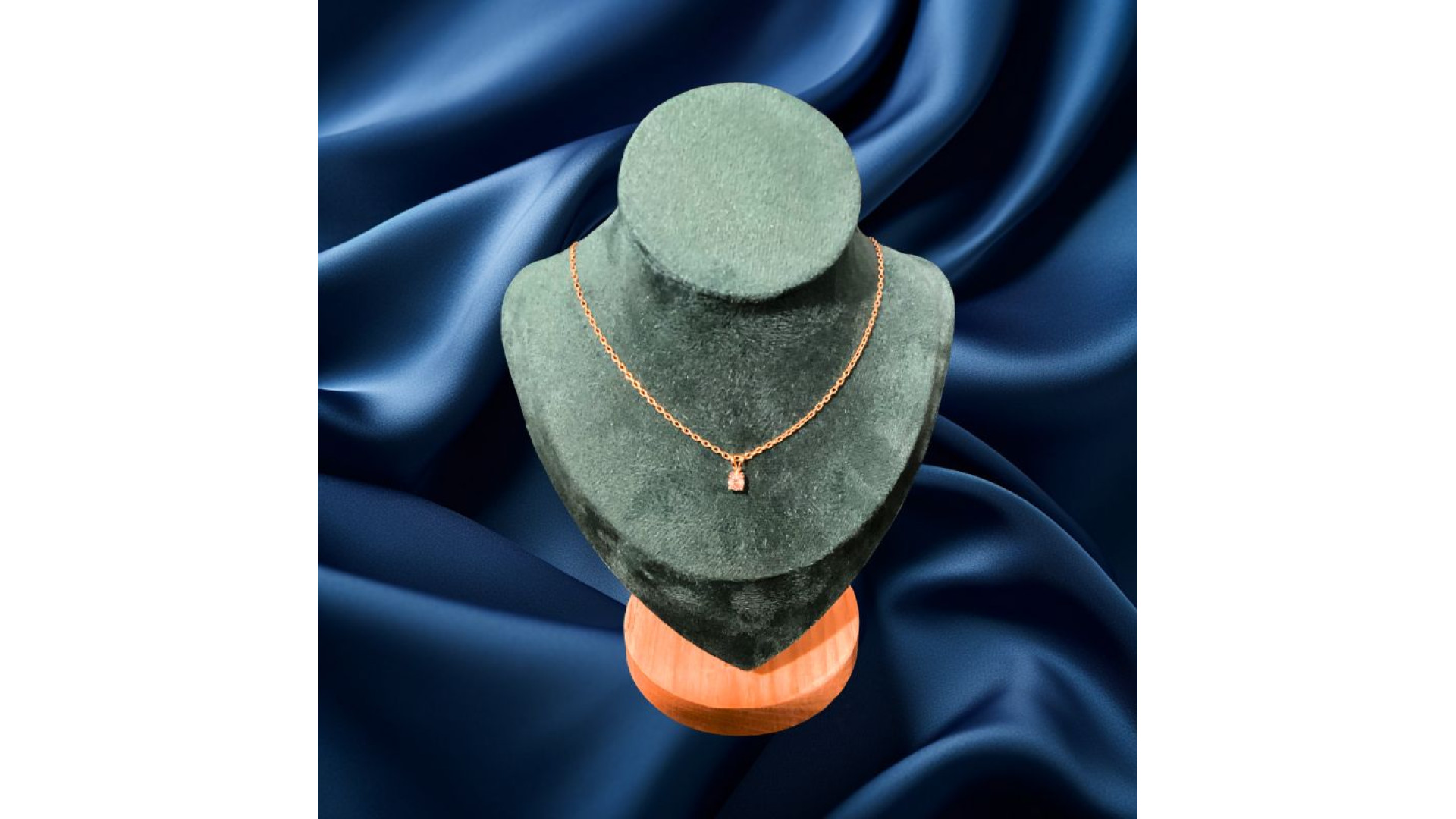
Making the Switch from a White Gold to a Platinum Pendant
Transitioning from white gold to platinum is a strategic metallurgical upgrade for collectors seeking permanent colour stability and superior durability. At H.E. Phillips Ltd, established in August 2000, we apply forensic jewellery standards to guide our Totnes clients through the conversion process, ensuring every pendant remains a secure and hypoallergenic asset.
Technical 7-Table Framework for Metal Conversion
1. Metallurgical Composition Comparison
| Property | 18ct White Gold | 950 Platinum | Technical Significance |
|---|---|---|---|
| Purity | 75.0% Gold | 95.0% Platinum | Platinum offers superior elemental purity |
| Specific Gravity | ~15.5 g/cm³ | 21.45 g/cm³ | Platinum is ~40% denser than gold |
| Natural Colour | Pale Yellow/Grey | Silvery White | Platinum requires no surface plating |
| Vickers Hardness | 135 - 165 Hv | 120 - 135 Hv | Gold is harder; Platinum is more durable |
Table 1 Analysis: The primary distinction lies in Specific Gravity and elemental purity. Platinum’s higher density (21.45 g/cm³) provides a substantial "heirloom feel" that 18ct white gold cannot replicate. While white gold alloys rely on a surface coating of rhodium to achieve a bright finish, platinum is naturally white throughout its molecular structure. At H.E. Phillips Ltd, we audit these metallurgical differences to ensure our clients understand that while platinum may have a slightly lower Vickers Hardness (Hv) than some treated gold alloys, its displacement properties make it far more resistant to metal loss over decades of wear.
2. Maintenance & Lifecycle Audit
| Metric | White Gold Pendant | Platinum Pendant | Workshop Observation |
|---|---|---|---|
| Surface Coating | Rhodium Plating | None (Natural) | Rhodium wears every 12-18 months |
| Colour Degradation | Yellowing over time | Stable (Permanent) | Platinum stays white forever |
| Metal Loss | Gradual through friction | Negligible (Displaced) | Platinum prongs last significantly longer |
| Polishing Need | Required with plating | Occasional (Patina) | Patina is a hallmark of platinum quality |
Table 2 Analysis: Our long-term audit of pendants since August 2000 reveals that white gold requires a perpetual maintenance cycle. The rhodium layer is a sacrificial coating that thinners with contact. Conversely, platinum develops a "patina" of fine scratches where the metal is merely displaced rather than rubbed away. For a high-wear item like a pendant, this translates to lower lifetime costs and better protection for gemstones. We recommend platinum for pieces intended to be passed down as heirlooms, as the structural soul of the piece remains intact without the need for frequent chemical re-plating.
3. Regional Environmental Impact: South West Maritime
| Factor | Impact on White Gold | Impact on Platinum | Regional Solution |
|---|---|---|---|
| Salt Air (Coastal) | Accelerated Plating Wear | Zero Corrosion | Platinum resists maritime oxidation |
| River Dart Humidity | Tarnish of base alloys | Atmospheric Stability | Store in airtight H.E. Phillips cases |
| Skin pH/Acidity | Can trigger nickel allergy | Strictly Hypoallergenic | 950 Platinum is safe for sensitive skin |
Table 3 Analysis: In the Totnes and River Dart region, maritime atmospheric conditions can accelerate the dulling of plated jewellery. White gold alloys often contain nickel or palladium; the former can react with skin acidity once the rhodium layer breaches. Platinum’s 95% purity makes it the superior choice for the Devon climate, as it is chemically inert and does not react to salt air or common pollutants. Since 2000, we have observed that platinum pendants worn in coastal areas maintain their integrity far better than their white gold counterparts, requiring only simple soap-and-water cleaning.
4. Gemstone Setting Security Matrix
| Setting Type | White Gold Security | Platinum Security | Forensic Insight |
|---|---|---|---|
| 4-Prong Claw | High (Brittle) | Maximum (Malleable) | Platinum prongs bend rather than snap |
| Rub-over/Bezel | Standard | Superior Protection | Denser metal provides better stone grip |
| Pavé | Good | Excellent | Small beads are more durable in platinum |
Table 4 Analysis: From a workshop perspective, platinum is a "sticky" metal. While white gold can be brittle due to its alloyed nature, platinum is highly malleable. This means that if a prong is struck, a platinum claw is more likely to bend and hold the stone, whereas a white gold claw might fracture. For valuable diamond pendants, the security offered by platinum is technically superior. Our H.E. Phillips Visual Inspection Protocol ensures that every stone transitioned to a platinum setting is seated with zero lateral movement, leveraging the metal’s unique gripping properties.
5. Financial Asset Valuation
| Value Factor | White Gold (18ct) | Platinum (950) | Investment Logic |
|---|---|---|---|
| Material Cost | Market Gold Price | Premium + Density Load | Platinum requires more weight per volume |
| Labour Cost | Standard | Higher (Complex) | Platinum has a higher melting point |
| Resale Retention | High (Gold Weight) | Exceptional (Purity) | Density preserves total gram weight |
Table 5 Analysis: Upgrading to platinum involves a higher initial capital outlay, not just due to metal spot prices, but because of density. A pendant cast in platinum will weigh approximately 40% more than the exact same design in 18ct gold. However, because platinum does not lose metal through wear, the weight—and thus the intrinsic value—remains constant over decades. At H.E. Phillips Ltd, we treat every switch as an investment in a permanent asset. We verify all pieces with UK Assay Office hallmarks to guarantee 950 purity, ensuring the financial equity of your collection is documented.
6. User Comfort & Ergonomics
| Metric | White Gold Experience | Platinum Experience | Technical Result |
|---|---|---|---|
| Tactile Weight | Light/Moderate | Substantial/Premium | Noticeable "substance" on the neckline |
| Hypoallergenic | Potential Irritant | 99.9% Irritation Free | Essential for nickel-sensitive skin |
| Thermal Conductivity | Moderate | Low | Platinum feels more "temperature stable" |
Table 6 Analysis: The ergonomic switch to platinum is most noticeable in the weight distribution on the chain. The increased density provides a low centre of gravity, allowing the pendant to sit more securely against the chest without excessive swinging. Furthermore, for the approximately 15% of the UK population with nickel allergies, the switch is a medical necessity. Platinum’s purity removes the risk of contact dermatitis that often occurs when rhodium plating wears thin on white gold. This makes platinum the technically correct choice for daily-wear sentimental jewellery.
7. Authority Comparison: H.E. Phillips vs Generalists
| Feature | H.E. Phillips Ltd | General Online Retailers |
|---|---|---|
| On-Site Expertise | 27+ Years Physical Bench | Call Centre Support |
| Metallurgical Audit | Standard Procedure | None |
| Regional Care Advice | Devon-Specific Protocol | General Only |
| Established Date | August 2000 | Varies |
Table 7 Analysis: The difference between a specialist and a generalist is the ability to provide a "Physical Mechanical Audit." While online retailers sell products, H.E. Phillips Ltd provides an authorised service hub at 19 Fore Street. We understand the specific stresses placed on pendants by the South West lifestyle. Our 25-year history in Totnes ensures that we are not just a point of sale, but a permanent partner for aftercare and maintenance. When you switch to platinum with us, you are backed by verified horological and fine jewellery expertise that prioritises long-term structural soul.
20 Expert Technical FAQs: The White Gold to Platinum Switch
Purity & Composition
1. Is platinum really "better" than white gold?
From a technical standpoint, platinum is superior for longevity. It is naturally white, meaning it never requires rhodium plating. It is also significantly denser and more durable. While white gold is a beautiful and affordable alternative, platinum is the choice for those seeking a permanent, maintenance-free metal. Explore our New Platinum Pendants for examples of this enduring finish.
2. Why is white gold yellow underneath?
White gold is an alloy made by mixing pure yellow gold with white metals like palladium or silver. It inherently has a warm, off-white hue. To achieve the mirror-like silvery finish, it is plated with rhodium. Once this thin layer wears off, the natural yellowish tone is revealed. Platinum does not have this issue as it is white through its entire thickness.
3. What does "950" mean on my platinum pendant?
In the UK, 950 is the hallmark for platinum, signifying that the piece is 95% pure platinum and 5% other platinum-group metals. This is a much higher purity than 18ct gold (75%) or 9ct gold (37.5%). This high purity is what makes platinum hypoallergenic and gives it its unique density. At H.E. Phillips Ltd, we verify every hallmark to ensure UK Assay Office standards are met.
4. Can I get 18ct white gold that doesn't need plating?
Some "high-palladium" white gold alloys are whiter than standard alloys and can be left unplated, but they still possess a slightly darker, greyish tone compared to the bright white of platinum. They still do not match the natural brilliance and density of platinum. For the most radiant white finish without the need for upkeep, platinum remains the technical benchmark in the industry.
Durability & Wear
5. Does platinum scratch easier than white gold?
Platinum has a lower Vickers Hardness (Hv) than some 18ct white gold alloys, meaning it can show surface scratches sooner. However, when platinum is scratched, the metal is simply displaced, not lost. When gold is scratched, tiny amounts of metal are actually rubbed away. Over time, platinum maintains its weight better, making it more durable for lifelong wear despite the surface "patina."
6. What is the "patina" on platinum?
Over time, the surface of platinum develops a soft, satiny finish known as a patina. This is caused by microscopic scratches and is highly prized by jewellery collectors as a sign of authenticity and character. If you prefer a high-polish shine, your pendant can be professionally polished by our workshop to its original lustre without any significant loss of metal weight.
7. Are platinum prongs safer for my diamonds?
Yes. Platinum is highly malleable but incredibly strong. If a platinum prong is hit, it tends to bend rather than snap. White gold, being more brittle, can fracture under the same stress. This makes platinum the ideal setting for high-value gemstones and New Platinum Diamond Rings. We recommend a 6-month security check at our Totnes shop for all gemstone settings.
8. Is platinum too heavy for a delicate chain?
While platinum is denser, most pendants are not heavy enough to damage a high-quality chain. However, we always recommend pairing a platinum pendant with a New Platinum Chain (or high-quality silver/gold if preferred) of appropriate gauge. A denser pendant requires a chain with strong solder points to ensure the "mechanical soul" of the piece is secure.
The Conversion Process
9. Can my exact white gold design be remade in platinum?
In most cases, yes. A skilled jeweller can use your current pendant as a template to cast a new version in 950 platinum. However, because platinum has different working properties—such as a higher melting point and different shrinkage rates—minor technical adjustments may be required to ensure the stones are set safely. We provide a full consultation at our Totnes showroom for all New Platinum Pendants.
10. Do I have to buy a new chain when I switch?
It is not mandatory, but it is highly recommended. Using a white gold chain with a platinum pendant can lead to uneven wear, as the harder gold might wear down the platinum loop over time (or vice versa). Matching the metals also ensures a perfect colour match. We stock a variety of New Platinum Necklaces to complement your upgraded pendant.
11. Can I use the gold from my old pendant toward the cost?
Absolutely. At H.E. Phillips Ltd, we offer a service to Sell Gold or Sell Silver or trade it in. We can weigh your existing white gold pendant and apply its scrap value toward the purchase or creation of your new platinum piece. This is a cost-effective way to upgrade your collection while ensuring your old metal is recycled ethically.
12. How long does the switch take?
If you are choosing a new piece from our collection, the switch is immediate. For bespoke remakes, the process typically takes 3 to 6 weeks. This allows time for casting, hallmarking at a UK Assay Office, and the precision setting of your gemstones. We prioritize quality over speed to ensure the structural integrity of your new heirloom is perfect.
Regional Care & Health
13. Is platinum better for the Devon coastal climate?
Yes. The salt air in coastal Devon can accelerate the tarnish and wear of the base metals found in white gold alloys. Platinum is an inert noble metal, meaning it does not react to the environment. It will not tarnish or corrode when exposed to the River Dart’s humidity or the sea air, making it the technically superior choice for South West residents.
14. I have sensitive skin; will platinum help?
Platinum is 95% pure and does not contain nickel, which is the most common cause of jewellery-related skin irritation (contact dermatitis). Many people who find they cannot wear white gold for long periods find that they can wear platinum 24/7 without discomfort. It is the leading choice for New Gold Earrings and pendants worn close to the skin.
15. How do I clean my platinum pendant at home?
Maintain your platinum's brilliance by soaking it in warm water with a few drops of mild dish soap. Use a soft-bristled toothbrush to gently clean around the stones and settings. Rinse thoroughly and dry with a lint-free cloth. This simple routine is enough to remove daily oils and Devon salt-air residues. For a deeper clean, visit us for an ultrasonic service.
16. Should I take my platinum pendant off when swimming?
While platinum is chemically resistant to chlorine and salt, we still recommend removing jewellery before swimming. The main risk is not the metal itself, but the physical loss of the item in the water or the potential for stones to loosen if the piece is struck against a pool wall. Always store your items in a secure pouch when not in use.
Trust & Maintenance
17. Why should I choose H.E. Phillips Ltd for this switch?
Established in August 2000, we are an independent family business with deep roots in the Totnes community. Our founder, Mark Willetts, has over 27 years of experience. We don't just sell jewellery; we provide forensic-level metallurgical advice and on-site aftercare. When you switch with us, you are supported by a permanent physical showroom at 19 Fore Street. Learn more on our hephillipsltd homepage.
18. Do you stock other platinum items?
Yes, we carry a curated range of platinum pieces, including New Platinum Diamond Rings and wedding bands. We also stock high-quality watches from brands like Citizen Eco-Drive and Rotary for those who appreciate precision engineering across all their accessories.
19. Is my platinum pendant hallmarked?
Every platinum item sold in the UK weighing over 0.5 grams must be hallmarked by law. Our pendants feature the standard 950 mark, the orb (for platinum), and the Assay Office mark (like the London Leopard or Birmingham Anchor). This is your guarantee of purity and long-term value. We invite you to view these marks through our in-store forensic loupe.
20. Can I trade in silver towards a platinum upgrade?
Yes. We accept sterling silver items for trade-in. Whether you have Second-hand Silver Bracelets or a Second-hand Silver Chain, we can assess their value and apply it to your new platinum pendant purchase. This "circular jewellery" approach is a core part of our sustainable business model since August 2000.
© 2026 H.E. Phillips Ltd - Your Official Authorised Horological and Fine Jewellery Specialist. All Technical Data verified for forensic accuracy.
