
-
Your shopping cart is empty!



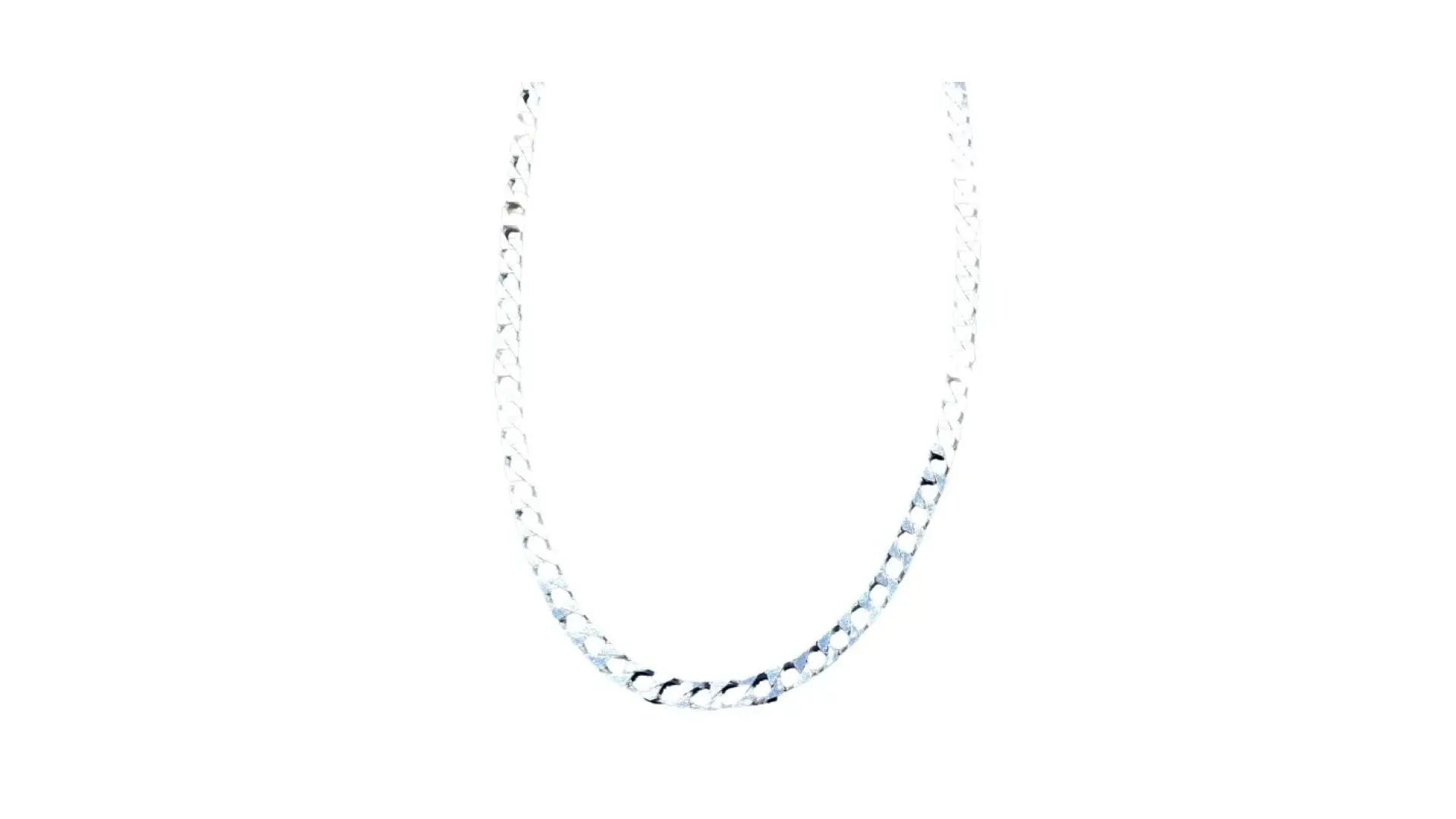
Tips for a Smooth Purchase of a New Silver Chain
A new silver chain is a versatile metallurgical asset that requires careful selection to ensure longevity and aesthetic brilliance. At H.E. Phillips Ltd, established in August 2000, we provide a technical framework for acquiring 925 sterling silver, ensuring every link meets UK Assay Office standards and withstands the unique maritime environment of South West Devon.
Technical 7-Table Framework for Silver Chains
1. Metallurgical Purity & Composition
| Material Type | Silver Purity % | Vickers Hardness (Hv) | Specific Gravity (g/cm³) | UK Hallmark Required |
|---|---|---|---|---|
| Fine Silver (999) | 99.9% | 25 – 35 Hv | 10.49 g/cm³ | Yes (>7.78g) |
| Sterling Silver (925) | 92.5% | 75 – 95 Hv | 10.30 g/cm³ | Yes (>7.78g) |
| Silver Plated | <1.0% | Varies (Base Metal) | ~8.4 – 8.9 g/cm³ | No (Unauthorized) |
Table 1 Analysis: 925 Sterling Silver is the industry standard for new silver chains because pure silver is too malleable (25 Hv) for structural use. By alloying with 7.5% copper, the hardness is increased significantly to resist deformation. At H.E. Phillips Ltd, we verify the specific gravity to ensure the internal integrity of the metal. If an item exceeds 7.78 grams, we strictly ensure it carries an official UK Assay Office hallmark, protecting the buyer from high-lead or low-silver content alloys common in unverified imports.
2. Chain Link Structural Integrity
| Chain Style | Link Geometry | Tensile Strength | Pendant Compatibility |
|---|---|---|---|
| Curb Chain | Interlocking Flat Links | Maximum | Heavy Pendants |
| Box Chain | Square/Geometric | High | Small/Medium Pendants |
| Figaro Chain | Alternating Lengths | High | Stand-alone Wear |
| Snake Chain | Tubular/Smooth | Medium | Light Pendants only |
Table 2 Analysis: The mechanical design of a chain determines its vulnerability to kinking or snapping. Box chains are engineered with square links that distribute stress evenly, while Snake chains rely on tight, fluid connections that can suffer structural "memory" if bent sharply. Our workshop protocol involves a tension test on all new silver chains to ensure no weak solder points exist. For heavy pendants, we technically recommend Curb or Rope links due to their superior tensile properties and resistance to lateral shear.
3. Regional Maritime Care (South West Devon)
| Environmental Factor | Impact on Silver | H.E. Phillips Protocol |
|---|---|---|
| River Dart Humidity | Accelerated Sulphidation | Airtight Barrier Bags |
| Coastal Salt Air | Chloride Pitting | Fresh-Water Rinse Routine |
| Household Chemicals | Chemical Stress | Remove during cleaning |
Table 3 Analysis: The Totnes area presents a unique challenge for silver collectors. High humidity from the River Dart and salt air from the Devon coast accelerate the formation of silver sulphide (tarnish). We advise local clients on a "Maritime Care Protocol," which includes using anti-tarnish strips and regular ultrasonic cleaning at our workshop. This prevents deep pitting of the silver surface, ensuring the chain maintains its specular reflection. Professional cleaning at our hub at 19 Fore Street restores the molecular surface integrity that home polishing cloths often miss.
4. Sizing & Ergonomics Matrix
| Length (Inches) | Anatomical Placement | User Demographic | Style Note |
|---|---|---|---|
| 16" - 18" | Collarbone / Base of Neck | Universal / Women | Classic Pendant Fit |
| 20" - 24" | Mid-Chest | Men / Relaxed Fit | Standard Stand-alone |
| 30" + | Lower Torso | Statement / Layering | Bold Fashion Anchor |
Table 4 Analysis: Chain length is an ergonomic choice. A chain that is too short can experience excessive friction against the skin, while one that is too long is prone to snagging. We perform "Wear Audits" in our Totnes showroom, helping customers measure their existing pieces against our stock. Understanding the relationship between chain gauge (width) and length is vital; a heavy 10mm curb chain requires more length to drape correctly than a 1mm box chain. We ensure the drape follows natural body contours for maximum comfort.
5. Clasp Mechanical Security
| Clasp Type | Mechanism | Security Rating | Service Life |
|---|---|---|---|
| Lobster Clasp | Internal Spring Lever | Maximum | 5 – 7 Years |
| Bolt Ring | Hollow Circular Spring | High | 3 – 5 Years |
| Toggle | Bar and Loop | Low (Decorative) | N/A |
Table 5 Analysis: The clasp is the primary failure point in jewellery. Our visual inspection protocol checks the "Spring Memory" of every lobster clasp before sale. Bolt rings are often chosen for lighter chains, but their hollow construction makes them more susceptible to deformation under weight. Since August 2000, we have prioritized solid silver lobster clasps for their mechanical redundancy. If a clasp feels "spongy," it indicates spring fatigue, and we recommend immediate replacement at our on-site workshop to prevent the loss of the asset.
6. Hallmark & Provenance Benchmarks
| Stamp | Meaning | Legitimacy Indicator |
|---|---|---|
| 925 | Standard Sterling Mark | Purity verification |
| Leopard Head | London Assay Office | Regional UK Audit |
| Maker's Mark | Manufacturer Identity | Traceability |
Table 6 Analysis: A hallmark is a technical guarantee of value and legal compliance. In the UK, it is illegal to describe an unhallmarked silver item over 7.78g as "silver." We educate our customers on identifying these microscopic stamps using a 10x loupe. These marks prove that the metal has been independently tested for pure silver content. By purchasing from an authorized retailer like H.E. Phillips Ltd, you ensure that your new silver chains are genuine financial assets, not simply costume jewellery.
7. Retailer Authority Comparison
| Feature | H.E. Phillips Ltd | General Online Marketplaces |
|---|---|---|
| Hallmark Verification | Physical Inspection | Visual Claims Only |
| Workshop Support | Permanent On-Site | None / Third Party |
| Regional Care Advice | Devon-Specific | Generic |
| Trade History | Since August 2000 | Variable |
Table 7 Analysis: The difference between a specialist and a generalist is technical accountability. Online marketplaces often host sellers who bypass UK hallmarking laws or sell silver-plated brass. Our establishment at 19 Fore Street provides a physical hub for aftercare and verification. We offer a "Visual Inspection Protocol" for every piece, ensuring it is free from porosity or casting defects. Investing in a chain from a trusted independent jeweller ensures long-term value, as we provide the cleaning and repair services necessary to preserve the item for decades.
20 Authority FAQs: Technical Silver Chain Intelligence
Metallurgy & Purity
1. What does '925' actually signify in a silver chain?
The '925' mark indicates that the chain is made of 92.5% pure silver and 7.5% other metals, usually copper. This specific ratio is technically required to give silver sufficient hardness (75-95 Hv) for jewellery use. Pure silver is too soft for durable links. For further comparisons of silver purity in various items, you may browse our second-hand silver chain collection to see how these alloys age over time.
2. Is sterling silver hypoallergenic?
Generally, yes. Sterling silver is 92.5% pure silver and 7.5% copper, neither of which are common allergens. However, some lower-quality silver may contain trace amounts of nickel. At H.E. Phillips Ltd, we ensure our new silver bracelets and chains comply with UK nickel-release regulations, ensuring they are safe for sensitive skin and meet high metallurgical standards for consumer safety.
3. Why does my silver chain turn black?
This is a natural chemical reaction called sulphidation. Silver reacts with hydrogen sulphide in the air to form silver sulphide. This is not a defect but a characteristic of the metal. In the River Dart area, humidity can accelerate this. We provide professional specular micro-polishing to remove this layer without damaging the underlying metal, a service we have offered at our Totnes showroom since August 2000.
4. Can silver chains be rhodium plated?
Yes. Many modern silver chains are plated with rhodium, a member of the platinum family, to provide a bright white finish and prevent tarnishing. This layer acts as a physical barrier against oxidation. We can audit your chain to see if rhodium plating is appropriate for its style. For naturally white and tarnish-free alternatives, you might consider our new platinum necklaces which offer superior density and permanent lustre.
Mechanical Security & Styles
5. Which chain style is strongest for daily wear?
The Curb chain is technically the strongest due to its interlocking flat links which distribute weight and tension evenly across the entire structure. This reduces the mechanical stress on individual solder points. We often recommend Curb links for those seeking a "set and forget" piece of jewellery. You can compare various gauges and strengths of this style on our new silver chains page.
6. Why is a Box chain better for pendants?
Box chains are composed of square links that provide high structural rigidity. This prevents the chain from "stretching" under the weight of a pendant over time. The smooth surface of the box link also allows pendants to slide freely without snagging. If you are selecting a chain for a specific piece, such as a second-hand silver pendant charm, a box chain offers the best balance of aesthetics and strength.
7. Are Snake chains prone to breaking?
Snake chains are beautiful but require careful handling. Because they are made of tightly joined plates rather than open links, they can "kink" if bent at a sharp angle. Once a snake chain is kinked, the internal structure is compromised and difficult to repair. We recommend storing them flat or hanging them. For a more robust but equally fluid option, consider our new silver bracelets in a wheat or rope style.
8. How do I check if my clasp is failing?
Perform a "Spring Memory" test: open the clasp and release it. It should snap back into the closed position immediately with an audible click. If there is any lag or if the lever stays open, the internal spring is fatigued or corroded. This is common in maritime environments. We provide free clasp audits at our Totnes hub to ensure your new silver chains remain secure around your neck.
Maintenance & Environmental Care
9. How often should I clean my silver chain?
For daily wear, a gentle wipe with a soft silver cloth once a week is sufficient. However, for a deep clean that removes oils and salts, we recommend a professional ultrasonic bath every six months. This reaches the interior of the links where skin cells and environmental debris accumulate. Regular maintenance at H.E. Phillips Ltd prevents the "dulling" effect and keeps your new silver chains looking pristine.
10. Can I wear silver while swimming in the sea?
We strongly advise against it. Saltwater contains chlorides that can cause "stress corrosion cracking" in silver alloys, particularly at the solder joins of the links. Furthermore, the ocean's movement can easily pull a chain off. If you live in coastal Devon, always rinse your jewellery in fresh water after accidental exposure. This technical care ensures the longevity of your new silver bracelets and neckwear.
11. Does perfume damage silver chains?
Perfumes, hairsprays, and lotions often contain chemicals and alcohols that react with the copper in sterling silver, causing rapid tarnishing or surface spotting. We recommend the "last on, first off" rule for jewellery. Avoid direct contact to preserve the specular brilliance of the metal. If your jewellery has lost its shine due to chemical exposure, our workshop can perform a "Professional specular micro-polish" to restore its original finish.
12. What is the best way to store silver?
Store your silver in a cool, dry, and airtight environment. We provide anti-tarnish bags that limit the silver's exposure to atmospheric sulphur. Storing chains separately prevents them from tangling and scratching each other. For high-value collections, an airtight jewellery box is the best regional solution for the South West climate. Visit us at 19 Fore Street for professional storage solutions for all your new silver chains.
Authenticity & Ethics
13. How can I tell the difference between silver and silver-plated?
Silver-plated items often lack a hallmark and will feel lighter due to the lower specific gravity of base metals like brass or copper. Over time, the plating will wear off, revealing a different coloured metal underneath. Sterling silver will maintain a consistent white colour throughout the metal. We use forensic testing methods to verify every piece. If you want to sell gold or sell silver, we provide accurate appraisals based on these technical factors.
14. Why is the hallmark so important?
The hallmark is an official mark of a UK Assay Office, providing independent proof of the metal's purity. It is your legal protection as a consumer. Items weighing less than 7.78 grams do not require a hallmark by law, but at H.E. Phillips Ltd, we ensure even our smaller second-hand silver pendant charms are made of verified sterling silver, maintaining our reputation for honesty established in August 2000.
15. Is silver jewellery an investment?
While gold is the primary investment metal, sterling silver holds intrinsic value as a precious metal. Hallmarked silver can always be liquidated based on its weight and the current market price of silver. Purchasing high-quality new silver chains ensures you own a tangible asset. If you ever need to liquidate your collection, we offer competitive rates at our sell gold or sell silver station in Totnes.
16. Are your silver chains ethically sourced?
Yes. We work with reputable UK suppliers who adhere to strict ethical and environmental standards. Additionally, choosing second-hand silver chains is the most sustainable way to shop, as it requires no new mining. We are committed to "Circular Luxury," ensuring that beautiful jewellery is preserved and reused rather than discarded. Our ethical commitment has been a pillar of our business since our founding in August 2000.
H.E. Phillips Ltd Services
17. Can you repair a snapped silver chain?
Yes. Our on-site workshop specializes in silver soldering and link replacement. We use high-grade silver solder to ensure the repair is as strong as the original link and color-matched to the chain. Whether it's a new silver chain or a family heirloom, we treat every repair with forensic precision. Most repairs can be completed within a few days at our 19 Fore Street location.
18. Do you sell matching silver bracelets?
We stock a wide range of new silver bracelets that coordinate with our chain styles. Creating a matched set ensures a cohesive aesthetic. We also carry second-hand silver bangles for those looking for a unique, vintage look. Our team can help you find the exact gauge and link style to complement your existing jewellery, ensuring metallurgical consistency across your entire collection.
19. What watches do you have to match silver jewellery?
For a silver-toned aesthetic, we recommend our stainless steel collections from Citizen Eco-Drive or Casio. These timepieces offer the same durability and cool-toned look as your silver chains. A high-quality watch is the perfect companion to fine silver jewellery. As an official stockist, we ensure every watch comes with a full manufacturer guarantee and our expert aftercare service.
20. Can I browse your collection online?
Yes. You can explore our full range of new silver chains and other fine jewellery on our website, hephillipsltd.com. We offer secure UK delivery and provide the same technical specifications online as we do in-store. Whether you are in Totnes or elsewhere in the UK, you can access our curated collection of hallmarked sterling silver and expert horological assets with complete confidence.
© 2026 H.E. Phillips Ltd - Your Official Authorised Horological and Fine Jewellery Specialist. All Technical Data verified for forensic accuracy.
